Books worth understanding, not just finishing.
Explore 475 carefully structured nonfiction summaries. Start with the central argument, keep the useful ideas, then decide what deserves a full read.
All book summaries
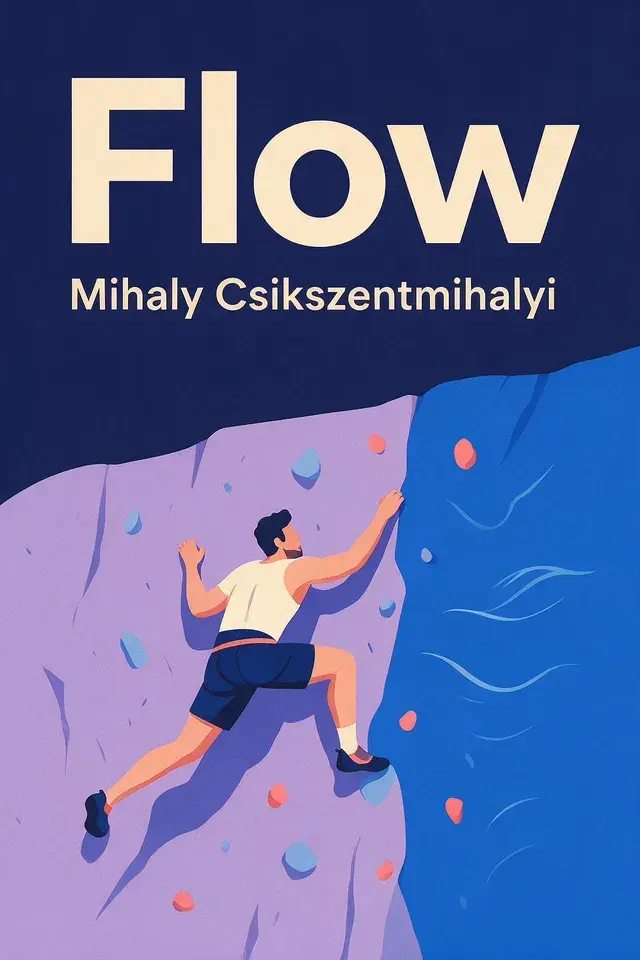
Flow
Flow examines how people can improve the quality of life when circumstances cannot guarantee happiness. It asks how attention, challenge, skill, work, relationships, adversity, and purpose can organize consciousness into meaningful experience, while showing why flow's same power can become addictive or harmful. Its value is a framework for self-directed living.
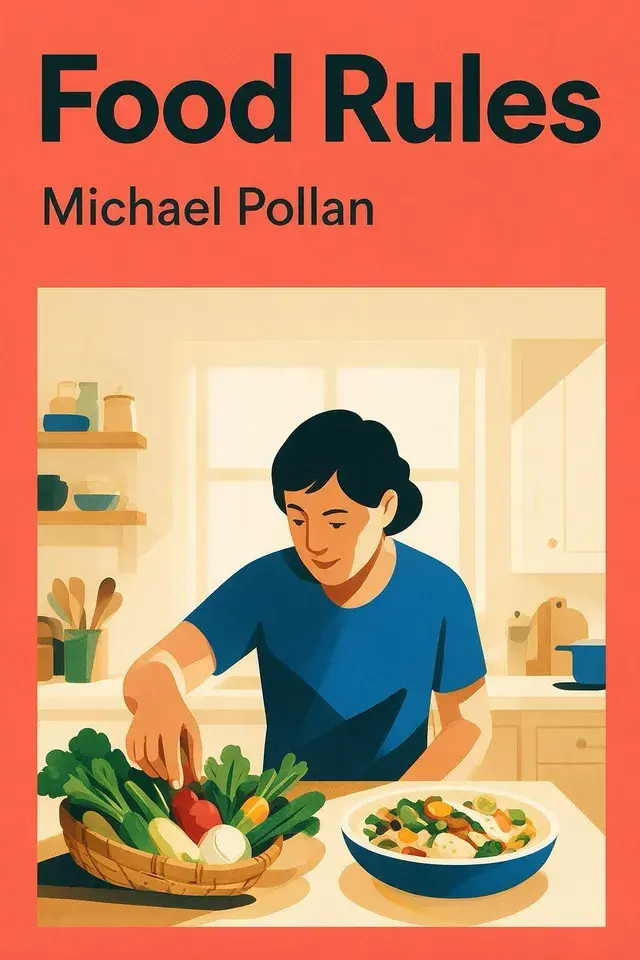
Food Rules
Food Rules asks how to eat well amid conflicting nutrition advice and an industrial food supply. Michael Pollan’s answer is a practical framework: identify real food, make plants central, and use slower, more social, flexible habits to reduce excess while recovering pleasure and judgment at the table.
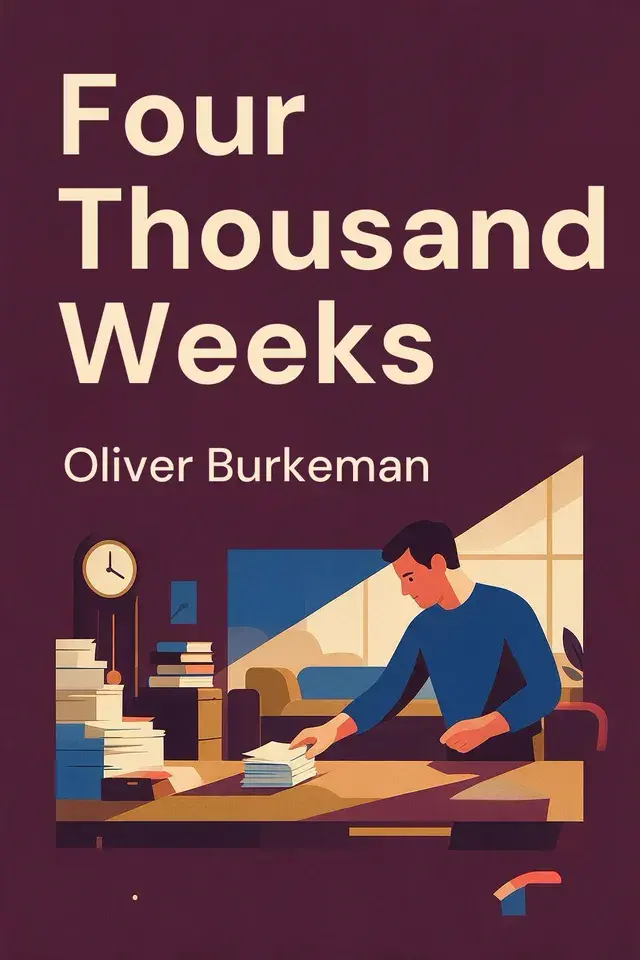
Four Thousand Weeks
Four Thousand Weeks asks how to live when a human lifespan is brief, demands are effectively unlimited, and no productivity system can create total control. It examines the costs of treating time as a resource and develops a practical philosophy of choosing, attending, resting, waiting, relating, and acting amid uncertainty and unfinished work.
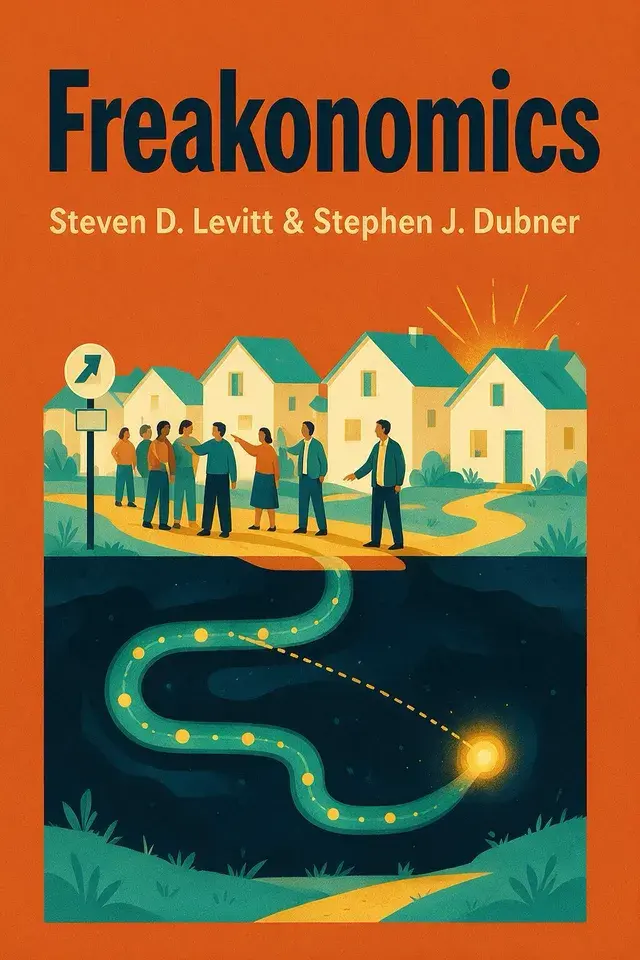
Freakonomics
Freakonomics asks how incentives, information gaps, and delayed causes shape cheating, crime, parenting, names, markets, and social behavior. Its intellectual value is a disciplined way to question conventional wisdom: compare stated beliefs with observed behavior, test correlation against causation, and separate empirical explanation from moral approval.
Free to Learn
Free to Learn asks why children’s freedom to play, explore, and direct their learning has narrowed, and what that loss means for motivation, well-being, and responsibility. Drawing on hunter-gatherer childhoods, psychological research, Sudbury Valley, age mixing, and parenting examples, it considers how communities might restore self-directed education.
Frida
Frida Kahlo’s biography becomes a study of self-creation: childhood solitude, a damaged body, revolutionary Mexico, love and betrayal, and medical decline all enter her paintings and public persona. The summary asks how art can turn suffering into agency without flattening uncertainty, contradiction, or survival into a single legend.
Friends, Lovers, and the Big Terrible Thing
Matthew Perry’s memoir asks how addiction can persist through fame, money, love, treatment, and near-death—and what recovery means when relapse remains possible. It traces childhood abandonment, performance, Friends-era success, medical catastrophe, relationships, faith, and service, showing the gradual work of building a life beyond substances and approval.
From Strength to Strength
Arthur C. Brooks asks why professional decline can arrive before we expect and why achievement can make it harder to accept. He maps a second curve built on wisdom, relationships, spirituality, service, and vulnerability, offering a framework for turning changing abilities into a more meaningful form of success.
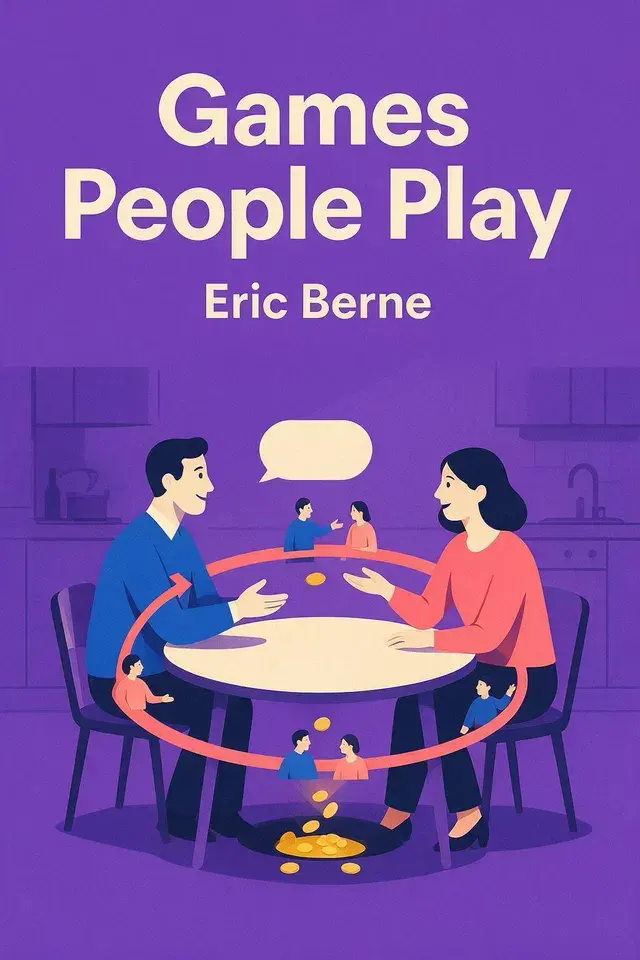
Games People Play
Games People Play examines how ordinary social exchanges become recurring games with hidden motives and payoffs. It asks what people gain from these patterns, how ego states and transactions sustain them across relationships, and whether awareness, spontaneity, and intimacy can help people recognize and move beyond inherited social programming.
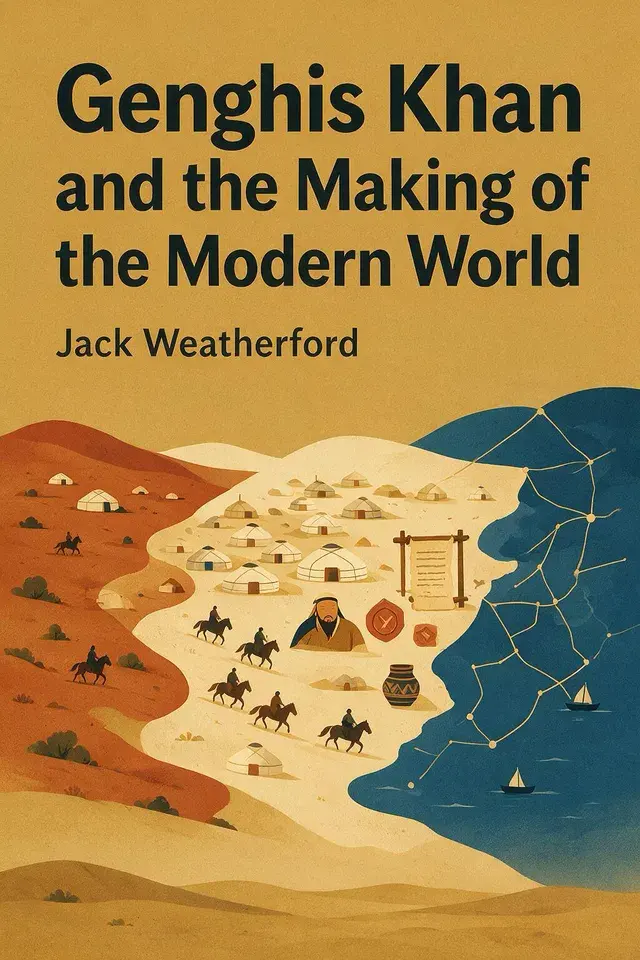
Genghis Khan and the Making of the Modern World
An audio-first summary of how Temujin became Genghis Khan, unified the steppe, and built an empire through mobility, merit, law, and selective cultural borrowing. It asks how conquest could produce both terror and a durable network of trade and knowledge—and what that network changed in Eurasia, Europe, and later historical memory.
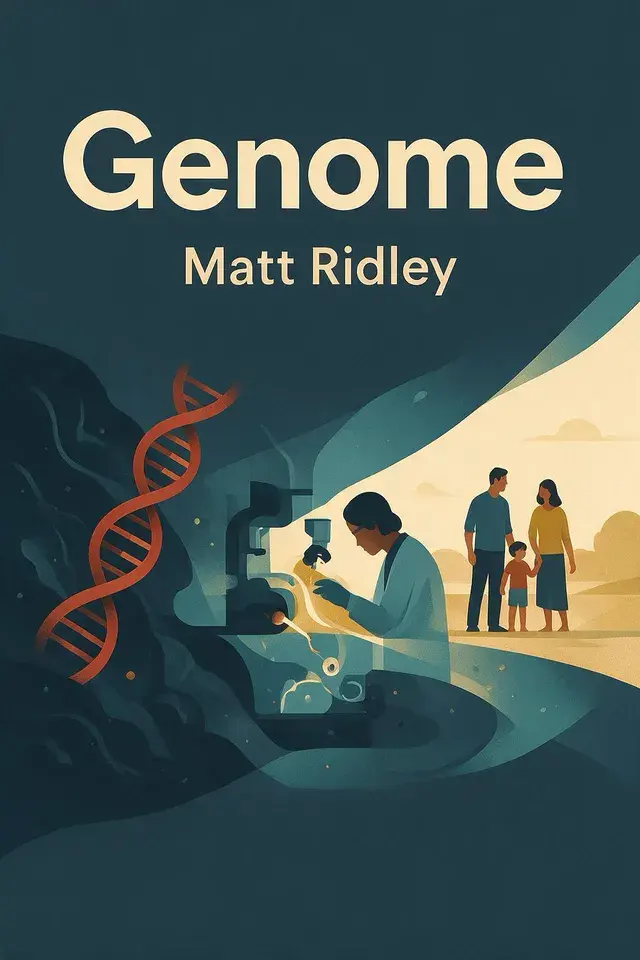
Genome
Genome follows the human genome from the chemistry of heredity through evolution, disease, behavior, ageing, biotechnology, and reproductive choice. It asks what genes can explain, where environment and history intervene, and how genetic knowledge should inform medicine and our understanding of freedom.
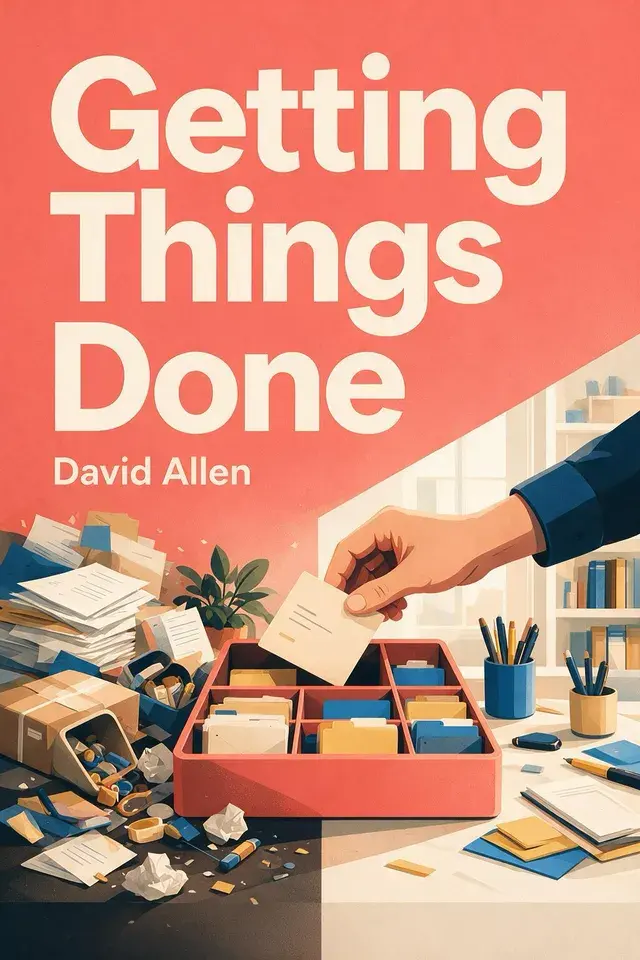
Getting Things Done
How can a person stay clear-headed when work, family, information, and promises keep multiplying? Getting Things Done presents a workflow for capturing open commitments, clarifying outcomes and next actions, organizing reminders, reviewing them, and choosing what to do. Its practical value lies in turning mental pressure into visible, renegotiable control.

Getting to Yes
Getting to Yes asks how people can reach fair, durable agreements without sacrificing legitimate interests or damaging relationships. Its principled-negotiation method shifts attention from positions to interests, creates options for mutual gain, and uses independent standards, then applies those ideas to power imbalances, resistance, dirty tactics, and everyday practice.
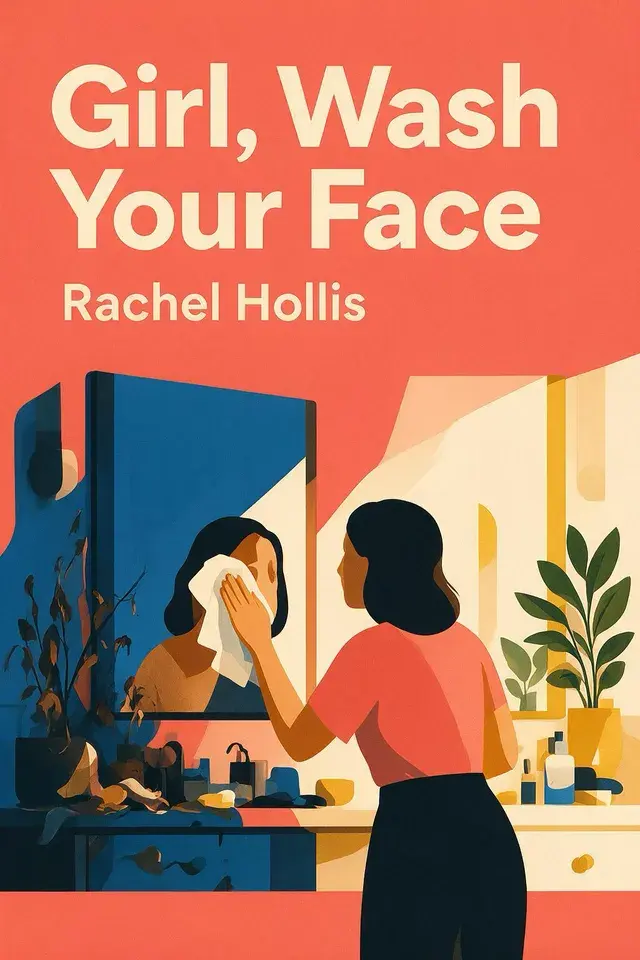
Girl, Wash Your Face
Rachel Hollis examines the self-defeating stories people absorb about happiness, worth, relationships, motherhood, ambition, bodies, trauma, and identity. The book asks how to replace those lies with responsibility, honest self-knowledge, support, and persistent action, offering a practical framework for moving forward without requiring perfection.
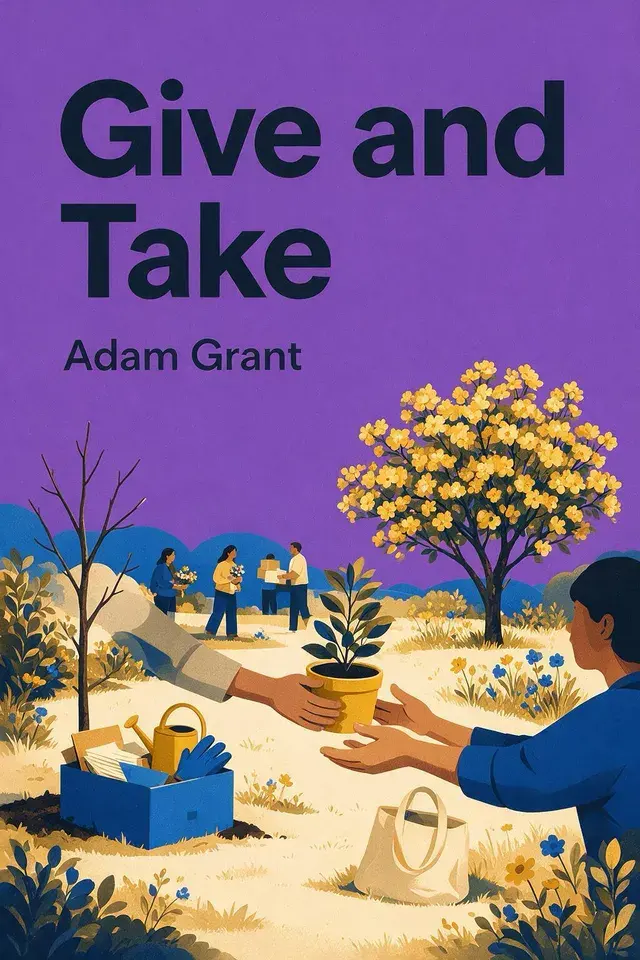
Give and Take
Give and Take asks whether success is shaped by how people give, take, or exchange fairly. It follows generosity through networks, creative work, communication, and volunteering, then examines the boundaries and social practices that make giving sustainable. The result is a framework for understanding when helping others expands impact—and when it becomes costly.

Gödel, Escher, Bach
How can finite rules produce meaning, creativity, and a mind that seems to look back at itself? Gödel, Escher, Bach traces that question through formal systems, Bach’s music, Escher’s art, DNA, brains, and AI, giving readers a way to compare truth, interpretation, and consciousness across levels.
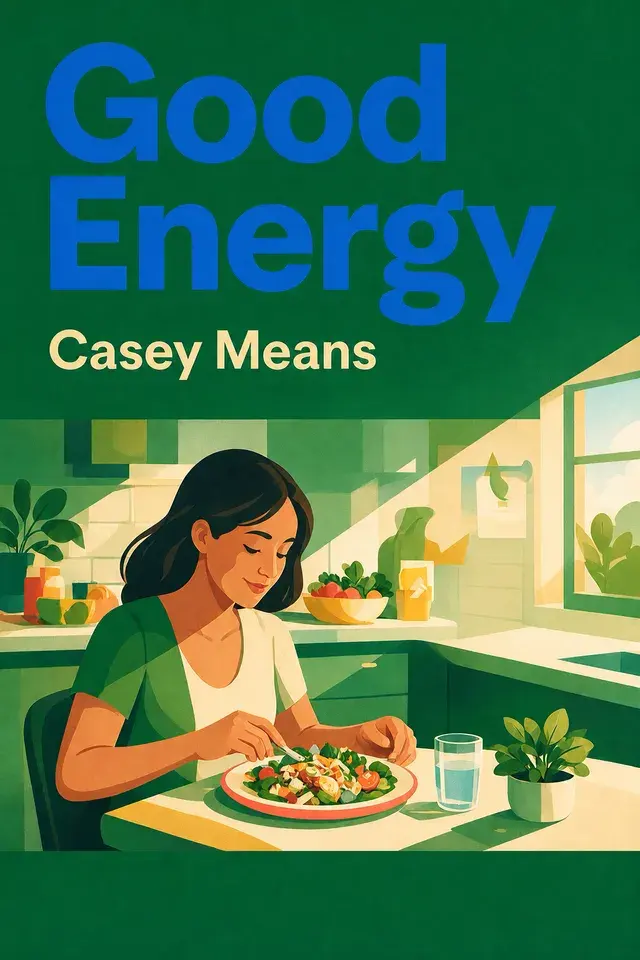
Good Energy
Good Energy presents metabolism as a cellular-energy framework and asks how food, sleep, movement, light, stress, and chemical exposure shape health. It pairs a critique of fragmented chronic care with symptom and biomarker tracking, whole-food principles, a four-week behavior plan, and practical recipes for acting on the framework.
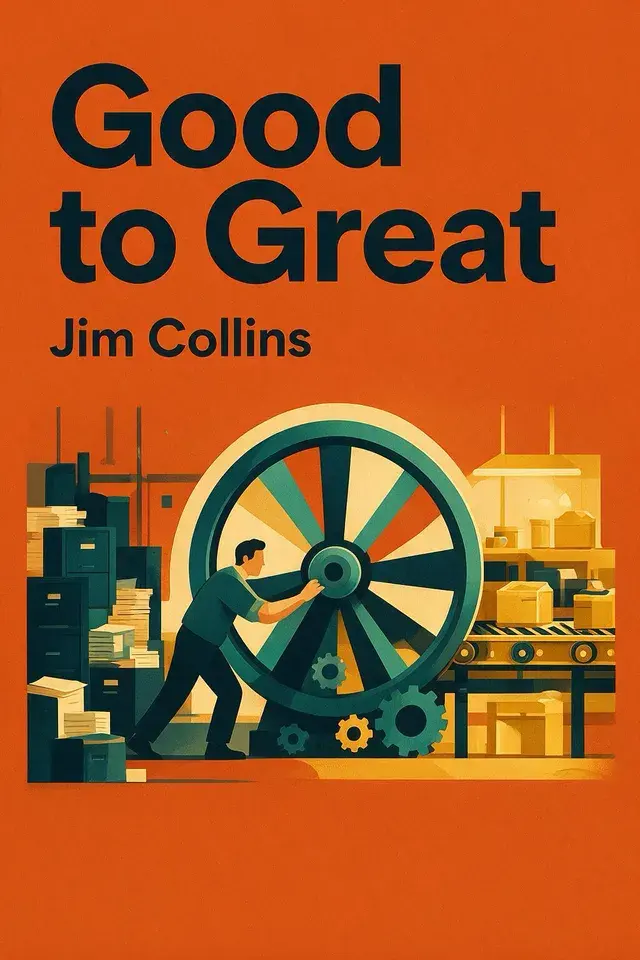
Good to Great
Good to Great asks why some established companies move from good performance to sustained greatness while comparable firms do not. It distills a research program into ideas about leadership, people, truth, focus, discipline, technology, and momentum, then considers how institutions endure and how people can find meaningful work.