Books worth understanding, not just finishing.
Explore 987 carefully structured book summaries. Discover the central ideas and themes, then decide what deserves a full read.
All book summaries
Until the End of Time
Brian Greene follows a chain from entropy and cosmic expansion through stars and life to consciousness, culture, and the universe’s possible endings. He asks whether mind can outlast cosmic change and what gives finite lives meaning, connecting physical, biological, and human explanations while marking where origins and forecasts remain unsettled.
Up the Organization
Up the Organization examines how leaders can replace control, status, and bureaucracy with trust, accountability, direct communication, and shared ownership. Its central question is how organizations can release human capability without losing performance. The practical value is a framework for diagnosing obstacles and redesigning work around people.
Urgent!
Urgent! examines how people and teams can meet real demands without making constant reactivity the norm. It offers ways to diagnose avoidable pressure, develop proactive habits, negotiate competing constraints, and choose team responses that restore momentum or calm. These methods help readers protect important work while responding to genuine emergencies.
Utopia for Realists
Rutger Bregman asks why material progress has not supplied a shared vision of a better future. He argues that open-ended utopian thinking can guide experiments in shorter work, unconditional income, broader measures of progress, and wider opportunity, while evidence and political history reveal possibilities and limits.
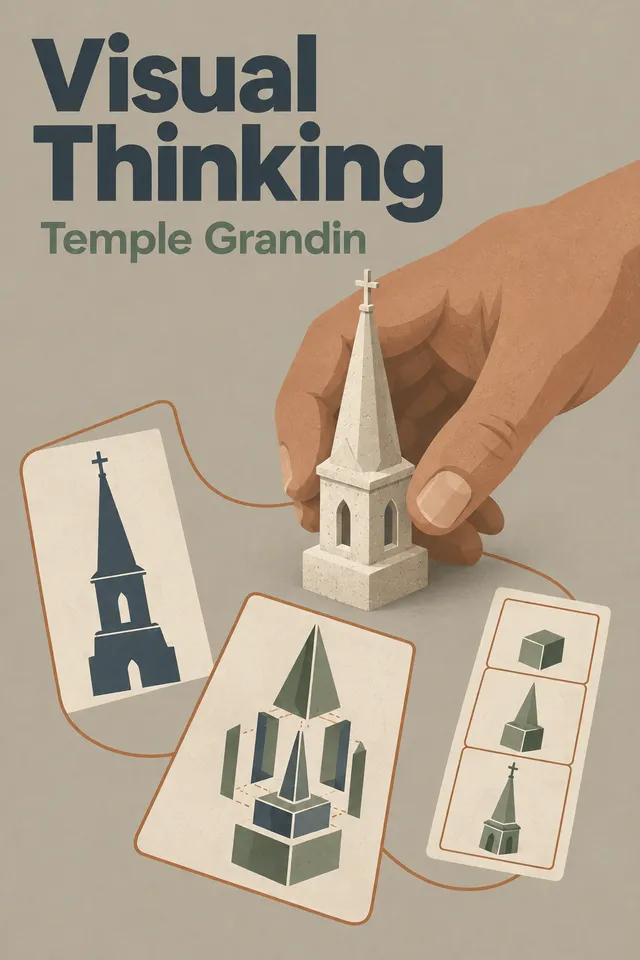
Visual Thinking
Temple Grandin asks how people who think in pictures, patterns, and words differ, and how schools and workplaces can recognize those differences. Through examples from education, engineering, collaboration, safety, and animal behavior, she shows how varied minds can reveal overlooked abilities and help people solve concrete problems.
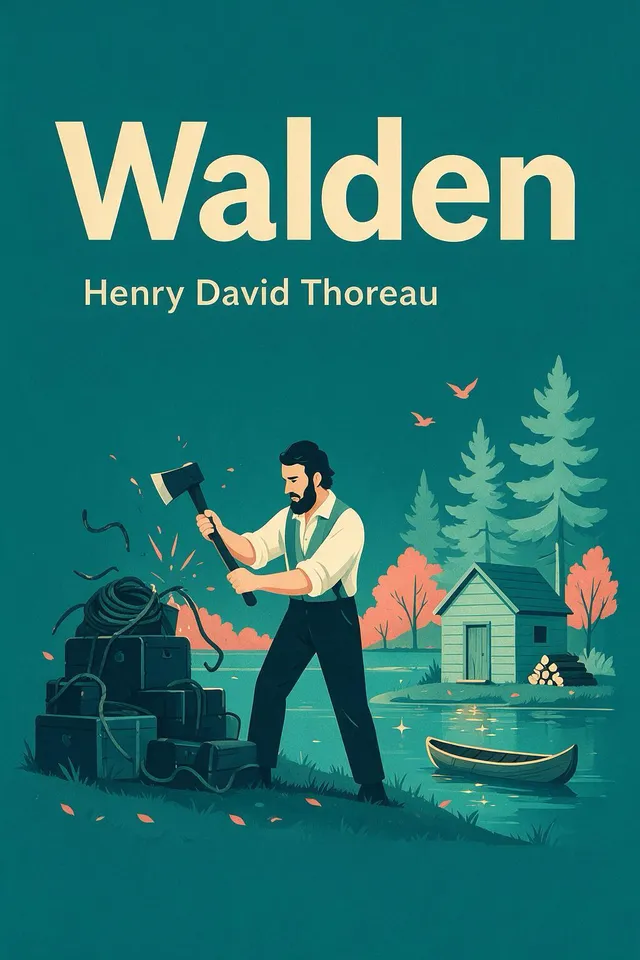
Walden
Walden asks what a human life can become when inherited burdens, public opinion, and unnecessary consumption are tested against basic needs. Thoreau answers through a temporary cabin experiment, close attention to nature, and inward exploration, offering practical methods for freedom alongside tensions that resist simple imitation.
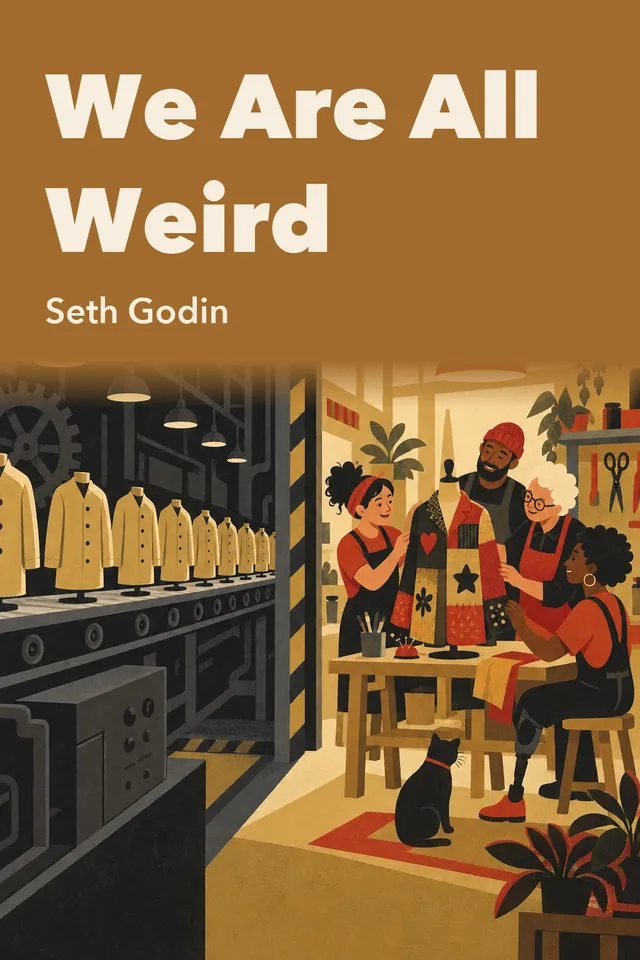
We Are All Weird
How did industrial society make one version of “normal” seem universal, and what changes when people can choose differently? Seth Godin traces the shift from mass production and media toward online creation, specialized markets, and connected tribes, then examines the power that enforces conformity. The book offers a framework for serving particular communities while preserving choice and meaningful difference.
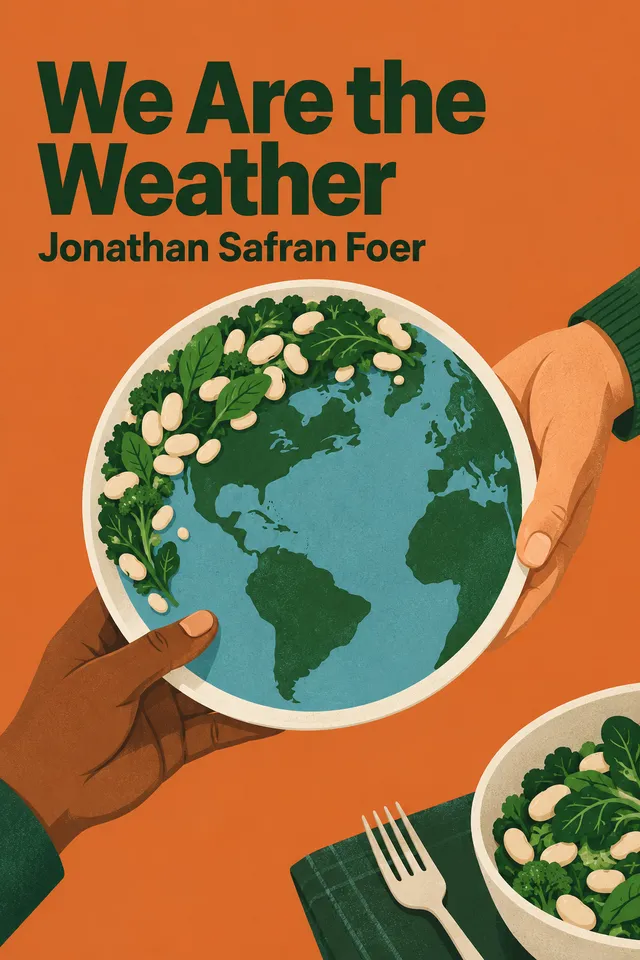
We Are the Weather
Jonathan Safran Foer asks why climate knowledge so often fails to change behavior, and what it means to treat Earth as a shared home. He connects collective action, food choices and disputed livestock-emissions estimates to a practical daily eating rule and an ethic of responsibility to future generations.
We Need to Talk
Celeste Headlee argues that conversation is a learnable survival and social skill, yet modern habits can replace attentive exchange with controlled contact. The book asks what helps people hear one another across differences and offers practical ways to prepare, listen, ask, disagree, speak clearly, and know when to pause.
Weapons of Math Destruction
Weapons of Math Destruction examines how opaque models turn partial data and narrow goals into decisions about education, work, credit, policing, insurance, and politics. It asks when prediction becomes harm, and shows how feedback loops, secrecy, and weak accountability reproduce inequality—while transparency, contestability, and human judgment can redirect models toward public benefit.
What Happened to You?
How do stress and relationships shape our responses to everyday life? This summary explores how adversity affects regulation, why connectedness matters, and how calming the body and establishing connection can make reasoning and learning more accessible. It offers a framework for understanding reactions in the context of experience.
What If? 2
Randall Munroe tests absurd questions against physics, biology, engineering, and rough arithmetic. What happens when Earth spins once per second, Rome is built in a day, or candy replaces rain? The answers show how to state assumptions, estimate scale, follow consequences, and recognize when a scenario is uncertain or impossible.
What Is Life?
Erwin Schrödinger asks how life preserves inherited form, changes across generations, and remains organized instead of approaching equilibrium. By connecting statistical physics and thermodynamics with chromosomes and genes, he develops a physical framework for understanding biological order as something both drawn from the environment and transmitted through molecular structure.
What Is the Bible?
Rob Bell asks what the Bible is and how it should be read. He presents it as a historically shaped library whose difficult, sometimes conflicting stories gain meaning through context, genre, and changing perspectives on God. Readers get questions for interpreting scripture and a practical test for whether new understanding leads to compassion and changed conduct.
What the Most Successful People Do Before Breakfast
How can mornings, weekends, and working hours make room for what matters? Laura Vanderkam examines how protected routines, restorative leisure, and deliberate work support meaningful progress. Time logs, practical planning methods, and contrasting personal experiments show how to turn priorities into sustainable choices while accommodating real constraints.
What We Owe the Future
What We Owe the Future asks whether people today have moral responsibilities to generations who may live far beyond us. William MacAskill argues that the future’s scale and vulnerability make present choices consequential, then examines how values, catastrophe, stagnation, population ethics, and wellbeing shape what we should do.
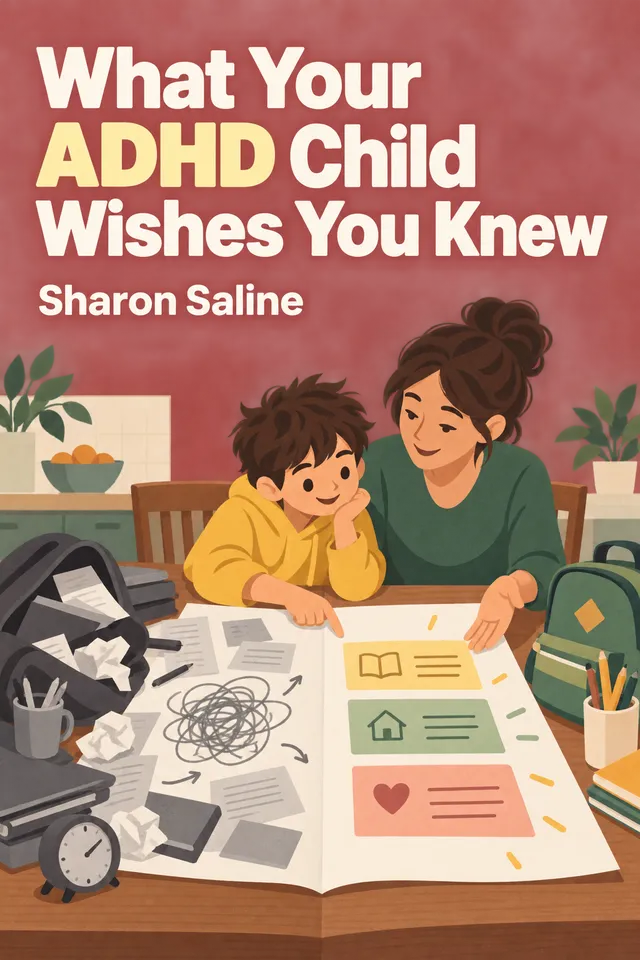
What Your ADHD Child Wishes You Knew
Sharon Saline’s guide asks how parents can understand a child’s ADHD experience and turn that understanding into practical support. It explains the Five C’s, then applies them to diagnosis, school, emotional regulation, household routines, friendships, teen choices, and technology, with examples of collaborative plans that build skills and confidence.
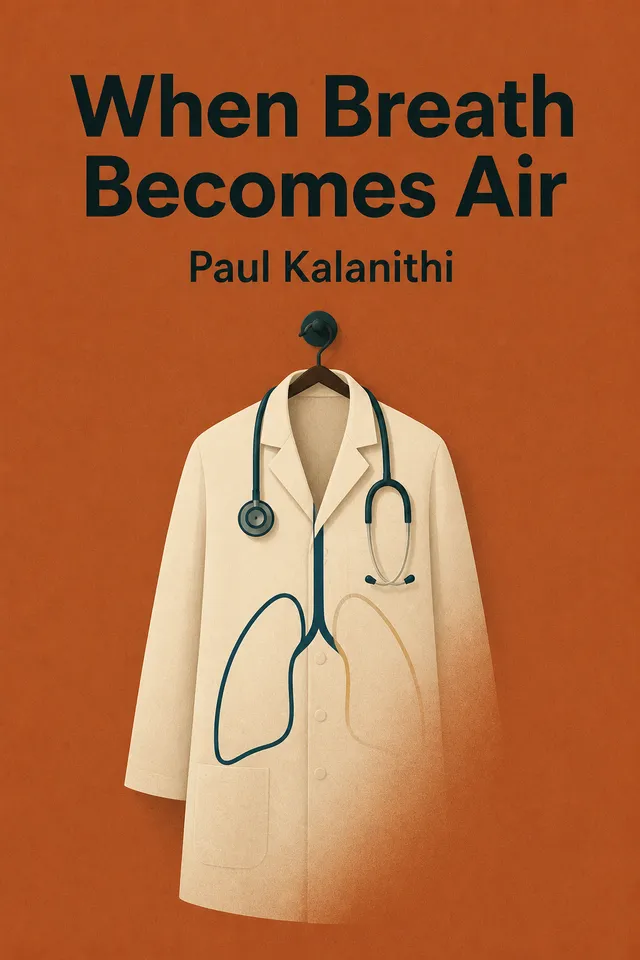
When Breath Becomes Air
Paul Kalanithi’s memoir follows a neurosurgeon who becomes a lung-cancer patient just as his career and marriage seem to be taking shape. It asks how to live, love, and practice medicine under a finite future, using family, literature, faith, and clinical experience to examine what makes a life meaningful.