Books worth understanding, not just finishing.
Explore 987 carefully structured book summaries. Discover the central ideas and themes, then decide what deserves a full read.
All book summaries
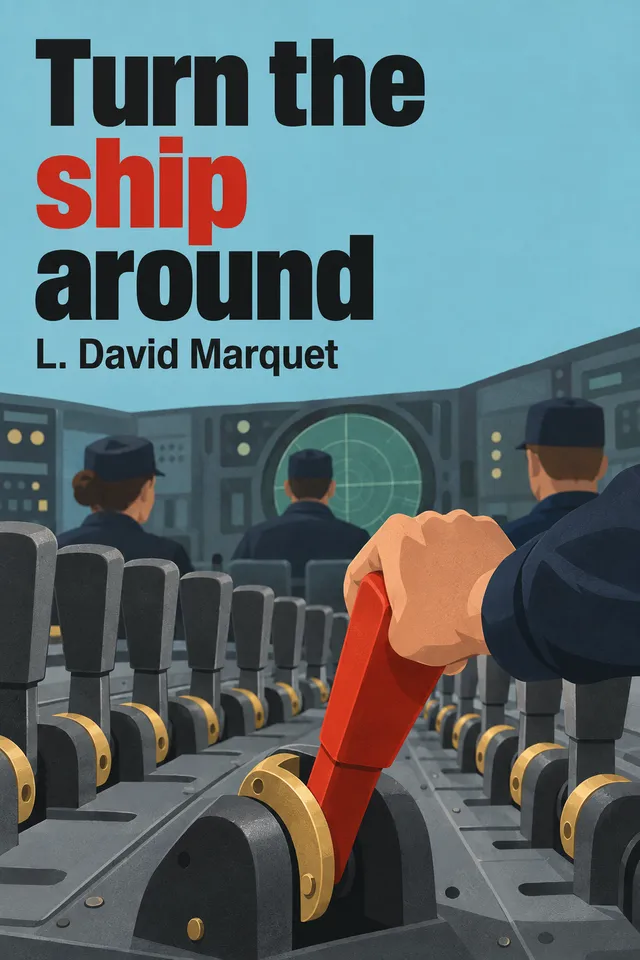
Turn the ship around
L. David Marquet asks how a command organization can share decision authority while keeping people capable, aligned, and accountable. Through the USS Santa Fe’s turnaround, he explains practices for distributing control, building technical competence, clarifying goals, and helping people act on their judgment.

Two and Twenty
Two and Twenty explains how private-equity firms combine fees, leverage, and active ownership to pursue returns. It asks what separates a sound investment from an overconfident gamble, and what obligations follow from the industry's growing influence. Deal cases offer ways to test a thesis, respond to failure, negotiate, and weigh broader consequences.
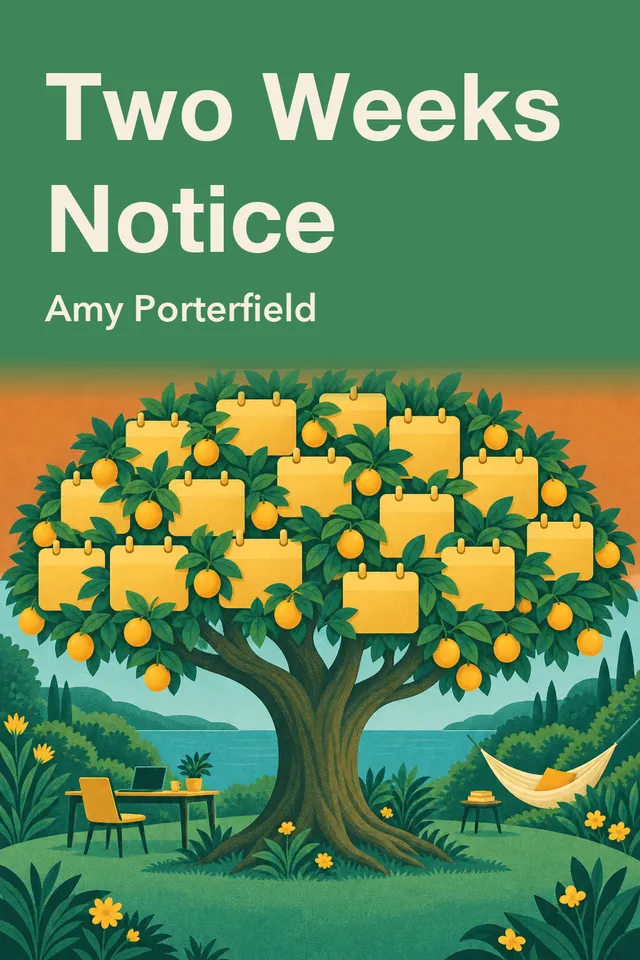
Two Weeks Notice
Two Weeks Notice asks how someone can move from an unsatisfying job toward an independent online business without waiting for perfect confidence. It connects a personally grounded exit plan to choosing a teachable idea, researching customers, building an audience, making an initial offer, and developing habits for the freedom and uncertainty of self-employment.
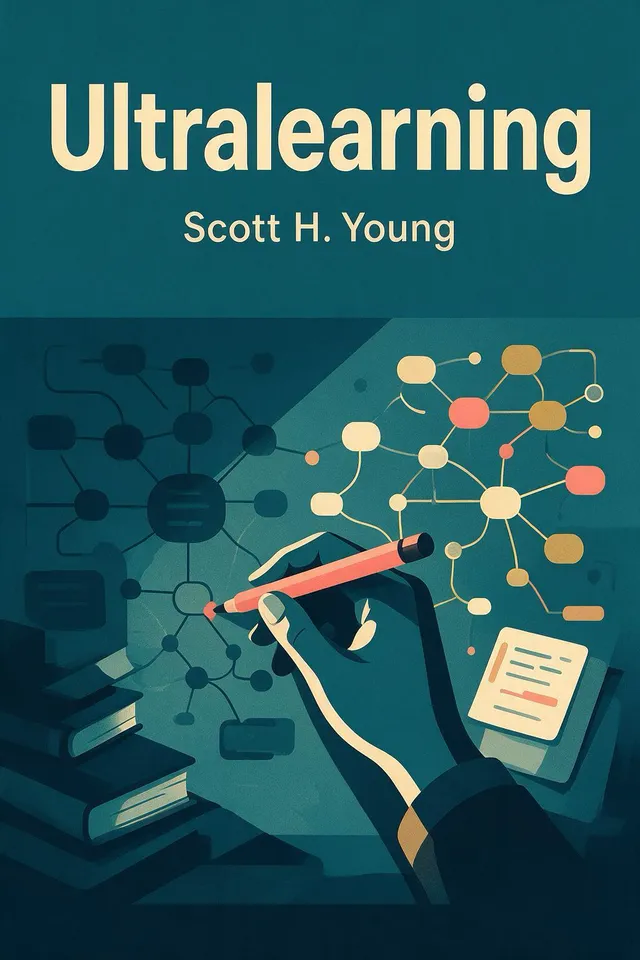
Ultralearning
Ultralearning asks how people can acquire difficult skills through intense, self-directed projects rather than passive study alone. It examines how to map a goal, focus attention, practice in context, retrieve and retain knowledge, build intuition, use feedback, and experiment—then shows how to evaluate, maintain, or extend what a project teaches.
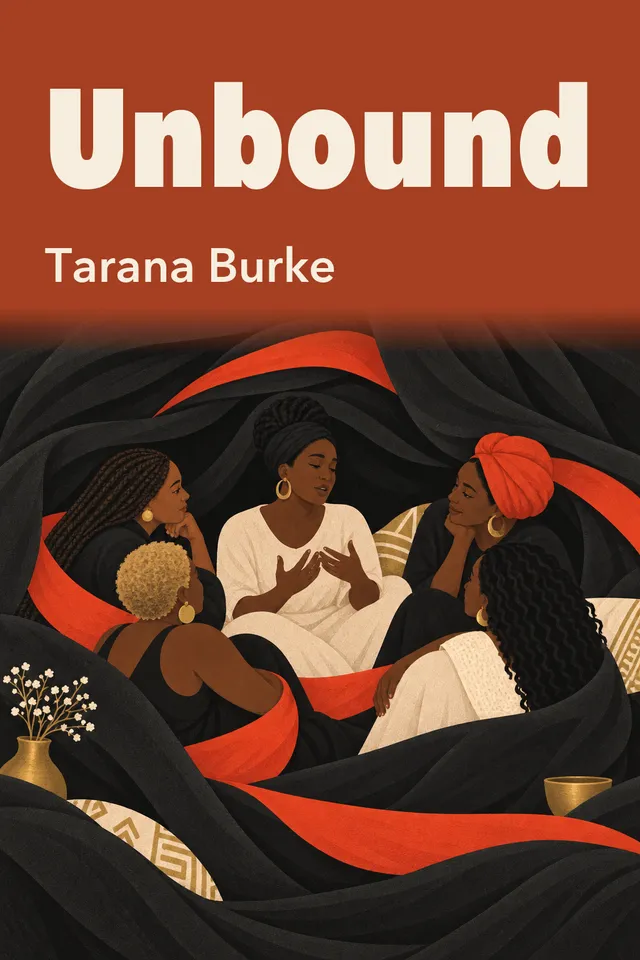
Unbound
Unbound traces how Tarana Burke’s childhood sexual abuse and experiences of shame shaped her path into community organizing and survivor support. It asks what helps people disclose violence, feel less alone, and receive care—and how communities can confront harm within their own ranks. The memoir offers examples of listening, optional disclosure, and accountability.

Unbroken
Unbroken follows Olympic runner Louie Zamperini from a rebellious California childhood through athletic triumph, Pacific air combat, a catastrophic crash, forty-seven days adrift, Japanese captivity, and a difficult return home. It asks how dignity survives organized violence and studies how trauma, memory, and revenge can be transformed into freedom and forgiveness.
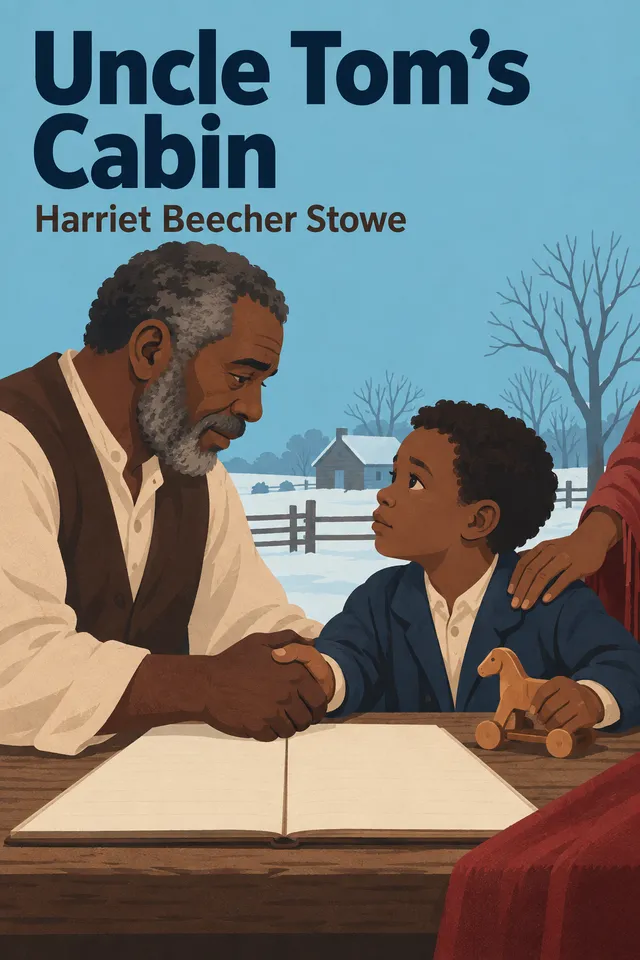
Uncle Tom's Cabin
Harriet Beecher Stowe’s novel follows enslaved families through sale and flight, asking whether faith, kindness, and resistance can answer a system that treats people as property. Its intertwined stories trace how family bonds, conscience, and public responsibility are tested under slavery.

Understanding Artificial Intelligence
How do AI systems find routes, recognize patterns, and learn to play games? Nicolas Sabouret explains the algorithms, representations, and human choices behind these abilities. This summary connects search and machine learning with their practical limits, then examines the unresolved questions of intelligence, consciousness, and responsible use.
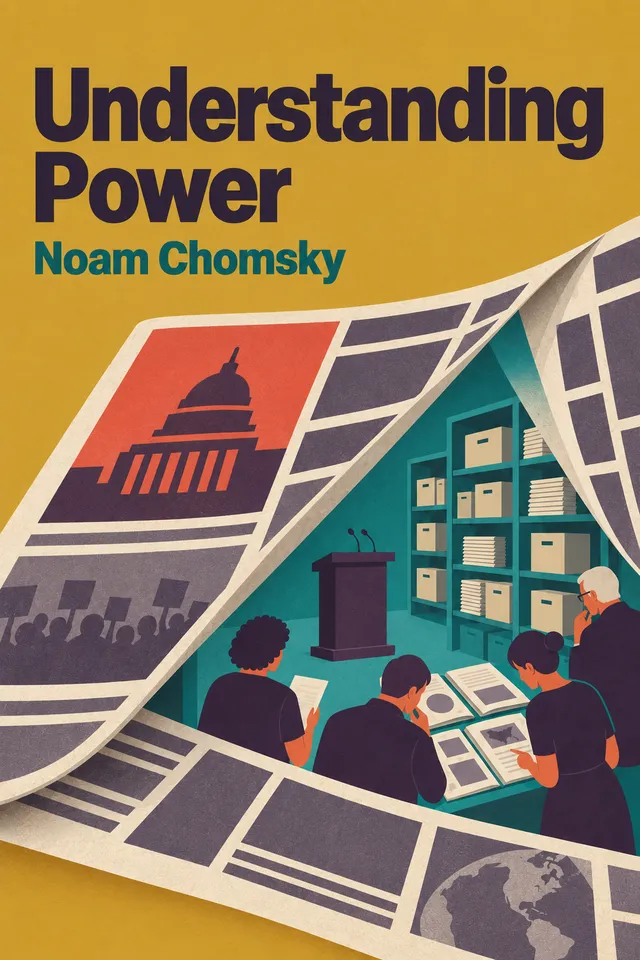
Understanding Power
In edited conversations and case studies, Chomsky asks how institutions shape public knowledge, state policy, and control of economic life. He offers ways to test media framing against evidence and compare official principles with policy, then examines how collective organizing can widen democratic participation.

University of Berkshire Hathaway
University of Berkshire Hathaway distills decades of Warren Buffett and Charlie Munger’s annual-meeting discussions into a study of how Berkshire allocates capital. It asks how investors can judge business value, durable advantages, risk, and management under uncertainty—and offers examples for learning the reasoning and adapting it to their own circumstances.

Unlimited Memory
How can information become easier to recall and use? Kevin Horsley presents memory as a trainable skill, combining focused attention, vivid imagery, familiar locations, and repeated retrieval. This summary explains how those methods apply to names, numbers, studying, and presentations, and why lasting recall requires practice.

Unlimited Power
Unlimited Power asks how personal power becomes usable: can people learn to direct states, beliefs, physiology, strategies, and communication toward chosen results? It traces a practical arc from modeling and precise goals to rapport, values, persuasion, and contribution, emphasizing feedback, flexibility, and responsible action.
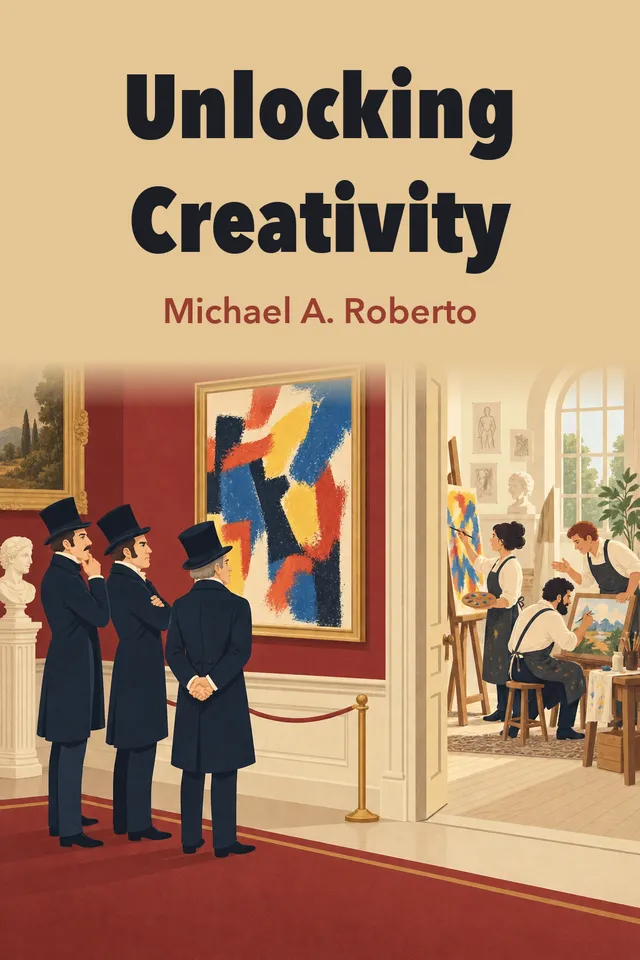
Unlocking Creativity
Why do organizations praise creativity yet reject unfamiliar ideas? Michael A. Roberto explains six mindsets that constrain innovation and shows how iterative design, distinctive strategy, supportive team conditions, constructive dissent, and curious leadership can help people explore, test, and improve ideas.

Unlocking Parental Intelligence
Laurie Hollman presents parental intelligence as a way to look beneath a child’s behavior, examine how a parent’s own history shapes interpretation, and use a flexible five-step process to understand development and solve problems. Family stories show how this approach can support communication, autonomy, and repair.
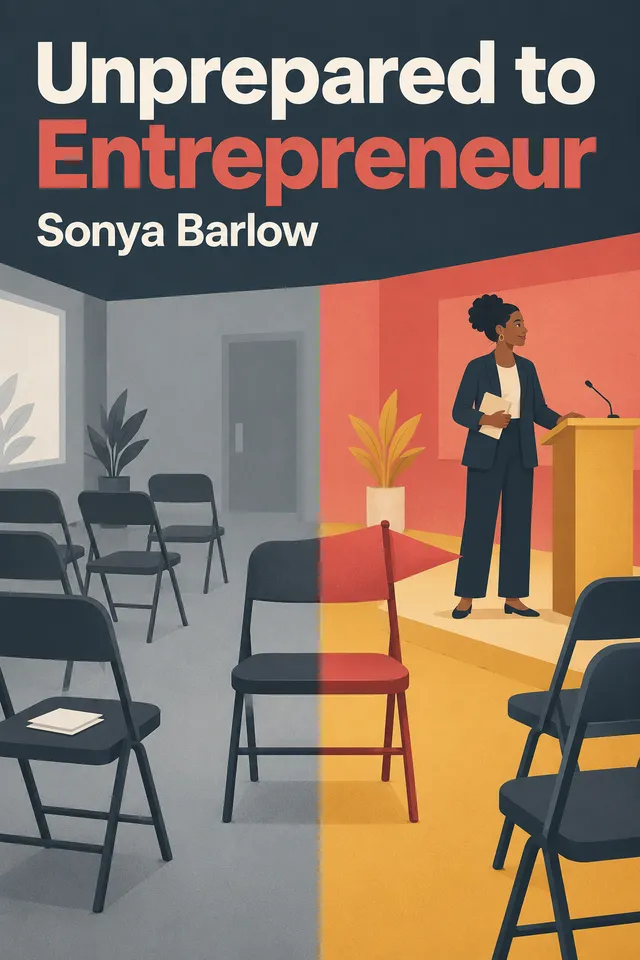
Unprepared to Entrepreneur
How can you start a business before you feel prepared, then keep it viable as customers, teams, and circumstances change? Sonya Barlow combines lessons from her own setbacks and other founders’ cases with practical methods for testing ideas, finding customers, building relationships, leading, managing money, winning clients, and protecting a sustainable working life.

Unstoppable
Maria Sharapova’s memoir follows a tennis career shaped by childhood migration, family sacrifice, relentless practice, major victories, injury, and a doping suspension. It asks what makes persistence durable: how can an athlete learn from defeat, adapt tactics and training, and keep personal ambition intact as success changes the stakes?

Untamed
Untamed asks how people learn to mistake conformity, approval, and inherited roles for freedom—and how they can recover a self-directed life. Glennon Doyle connects emotional honesty, inner Knowing, imagination, truthful relationships, parenting, justice, and mental-health care into a framework for living with integrity while staying connected to others.

Untangling You
How can gratitude help when resentment feels justified? Kerry Howells explores how broken expectations, wounded dignity, and self-criticism strain relationships. Her approach combines honest acknowledgment of hurt with practical gratitude, boundaries, listening, and culturally sensitive communication to help people respond with greater agency.