Books worth understanding, not just finishing.
Explore 987 carefully structured book summaries. Discover the central ideas and themes, then decide what deserves a full read.
All book summaries
When McKinsey Comes to Town
An investigation of how McKinsey’s advice shaped corporate and government decisions, from workplace restructuring and addictive products to financial markets and public services. It asks where client service ends and responsibility begins, and offers a way to examine incentives, conflicts, evidence, and who bears the costs.

When They Win, You Win
How can managers improve employee engagement while delivering results? Russ Laraway’s answer centers on Direction, Coaching, and Career. The book explains how to align daily work, give useful feedback, and connect employees’ aspirations to practical development steps.
When You're Ready, This Is How You Heal
How do you rebuild a life when familiar relationships, identities, or plans no longer fit? Brianna Wiest explores healing through emotional understanding, self-trust, and the gradual release of attachments. Her reflections connect these inner changes to practical choices about relationships, meaningful work, and everyday habits.
Where the Crawdads Sing
Delia Owens’s novel follows Kya, abandoned as a child in a coastal marsh, and the investigation into Chase Andrews’s death. It asks how isolation, prejudice, and survival shape belonging and judgment. Kya’s study of wildlife becomes an education and a livelihood, while the trial tests what ambiguous evidence can establish about someone the town has already judged.
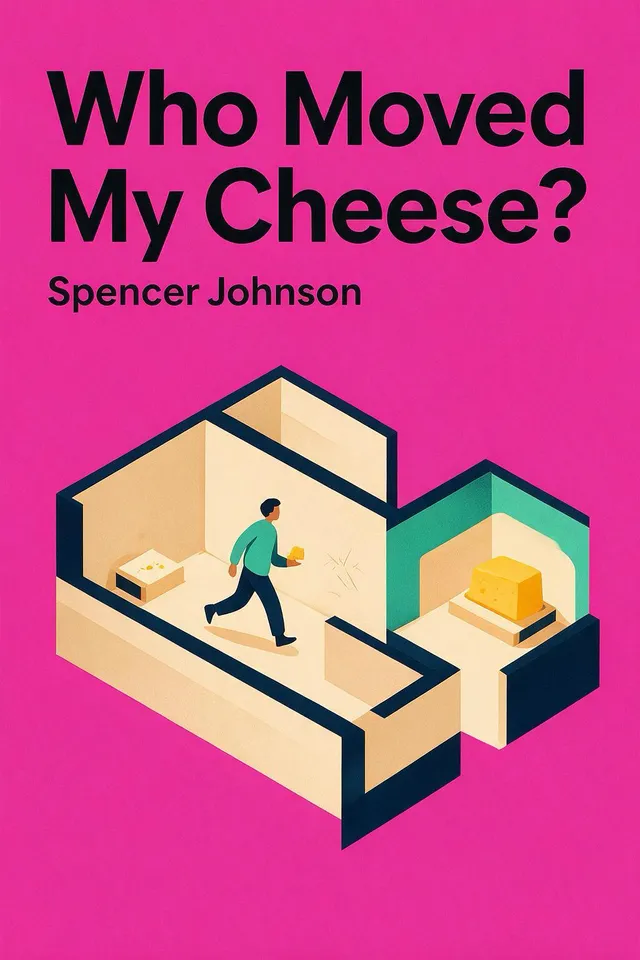
Who Moved My Cheese?
Who Moved My Cheese? uses a fable about four characters in a maze to ask how people respond when a source of happiness or security changes. It distinguishes noticing signals, managing fear, and moving toward new possibilities from denial and attachment, then applies those lessons to work and personal life.
Why Don't We Learn from History?
Why Don’t We Learn from History? asks how people and governments can recognize repeated failures when evidence is bent by loyalty, ambition, and fear. Liddell Hart connects critical historical inquiry to democratic accountability, restraint in war, and practical habits of truthfulness, moderation, and cooperation.
Why Has Nobody Told Me This Before?
Julie Smith’s practical guide asks how we can respond to low mood, anxiety, stress, grief, self-doubt, and difficult relationships without demanding constant happiness. It explains how body, thoughts, attention, habits, and context shape experience, then offers compassionate, values-based practices for steadier choices and a meaningful life.
Why Motivating People Doesn't Work...and What Does
Why Motivating People Doesn't Work examines why incentives and pressure can produce short-term compliance while undermining sustainable effort. It introduces six motivational outlooks and the needs for choice, connection, and competence, then explains how leaders can use mindfulness, meaningful goals, feedback, trust, and self-reflection to support higher-quality motivation at work.
Why Nations Fail
Why do societies with similar geography and history become rich, poor, or trapped in coercion? Why Nations Fail argues that political power shapes economic institutions, incentives, and innovation. Its historical comparisons clarify persistent inequality and show why broad coalitions, accountable institutions, and empowered citizens matter for durable prosperity.
Why Taiwan Matters
Kerry Brown examines why Taiwan’s unresolved status matters to its people and to the world. He traces how layered history, democratic identity and semiconductor dependence shape the dispute, then weighs how Beijing, Taipei and Washington might restrain escalating pressure while keeping space for dialogue and a future settlement.
Why We Get Fat
Why We Get Fat asks whether obesity is a failure of calorie balance or a disorder of fat regulation. Gary Taubes develops a carbohydrate-and-insulin explanation, tests it against historical, physiological, and clinical evidence, and considers what carbohydrate restriction might mean in practice, including its uncertainties and cautions.
Why We Remember
Why We Remember asks how memory guides us despite forgetting and distortion. Charan Ranganath explains how attention, context, schemas, emotion, curiosity, and social storytelling shape what we remember, then shows how retrieval, spacing, and sleep can support learning and help us use memory more deliberately.
Why We Sleep
Why We Sleep examines what sleep does, how circadian timing and accumulating sleep pressure organize it, and what happens when modern life fragments it. It connects sleep with memory, emotion, health, development, and dreaming, then considers practical and institutional changes that could restore sleep’s place in daily life.

Wild
Wild follows Cheryl Strayed’s solo walk from the Mojave Desert toward the Bridge of the Gods after her mother’s death, heroin use, and divorce. It asks how a scattered life can be inhabited again, tracing wilderness, bodily endurance, strangers, memory, and writing as imperfect routes through grief toward renewed belonging.

Wild Problems
How do you choose when a decision may change who you become? In Wild Problems, Russ Roberts examines marriage, careers, relationships, and moral choices to explain the limits of calculation. He explores how flourishing, principles, commitment, and experimentation can guide decisions whose deepest consequences cannot be known in advance.

Will
Will Smith’s memoir asks how a fearful child who learned to survive through performance became a global entertainer—and why achievement failed to settle the fears beneath that identity. It traces family, hip-hop, Hollywood, collapse, fatherhood, therapy, surrender, and love as changing answers to that question.
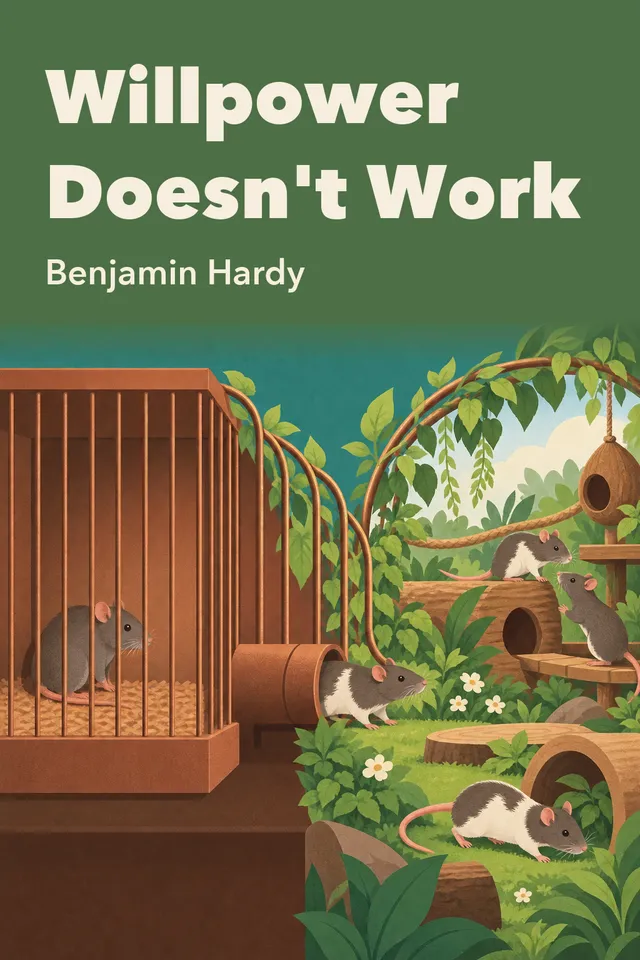
Willpower Doesn't Work
Willpower Doesn't Work by Benjamin Hardy asks why lasting change is difficult when good intentions meet familiar surroundings. Hardy argues that physical, social, and informational contexts shape behavior and identity, then examines how deliberate redesign, recovery, commitment, and collaboration can make meaningful goals easier to pursue.
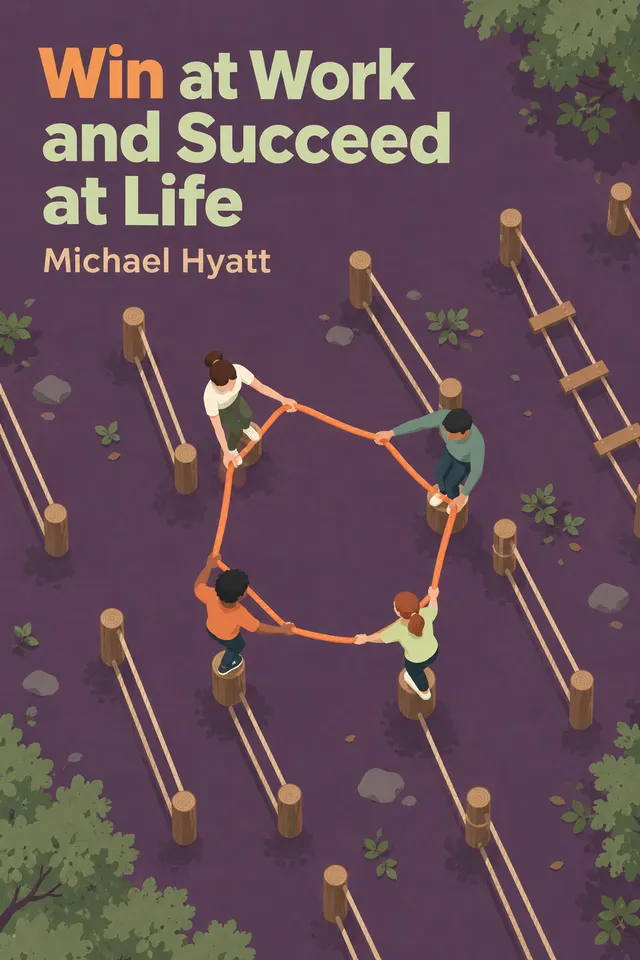
Win at Work and Succeed at Life
Win at Work and Succeed at Life asks how people can pursue meaningful work without letting it consume health, relationships, and family life. It defines a Double Win, examines the personal rewards and workplace norms that sustain overwork, and develops practical ways to set priorities, bound work, adjust schedules, protect leisure and sleep, and shape healthier team expectations.