Books worth understanding, not just finishing.
Explore 987 carefully structured book summaries. Discover the central ideas and themes, then decide what deserves a full read.
All book summaries
The Pursuit of Excellence
How can a person pursue excellence without treating success as a finish line? The book connects that pursuit to purpose, disciplined practice, feedback, confidence, adaptable action, and relationships, offering a framework for compounding growth and leaving useful work behind.
The Pursuit of Italy
David Gilmour asks whether Italy’s political unity was natural, necessary, or successful. Moving from geography, languages, and Roman and communal histories through unification, fascism, and the modern Republic, the book shows how regional loyalties shaped Italy—and why local civic life may have proved more resilient than the nation-state.
The Radium Girls
The Radium Girls follows young women who painted luminous watch dials and asks how a celebrated scientific wonder became a workplace catastrophe—and why warnings failed to protect them. It connects bodily harm to corporate secrecy, medical uncertainty, legal struggle, and the safety rules and public memory that followed.
The Rational Optimist
The Rational Optimist asks why human living standards have risen despite scarcity, conflict, disease, and repeated forecasts of collapse. Matt Ridley traces progress to exchange, specialization, trust, institutions, energy, and cumulative innovation, then tests those mechanisms against population, agriculture, Africa, and climate. The result is a framework for judging change without denying risk or suffering.
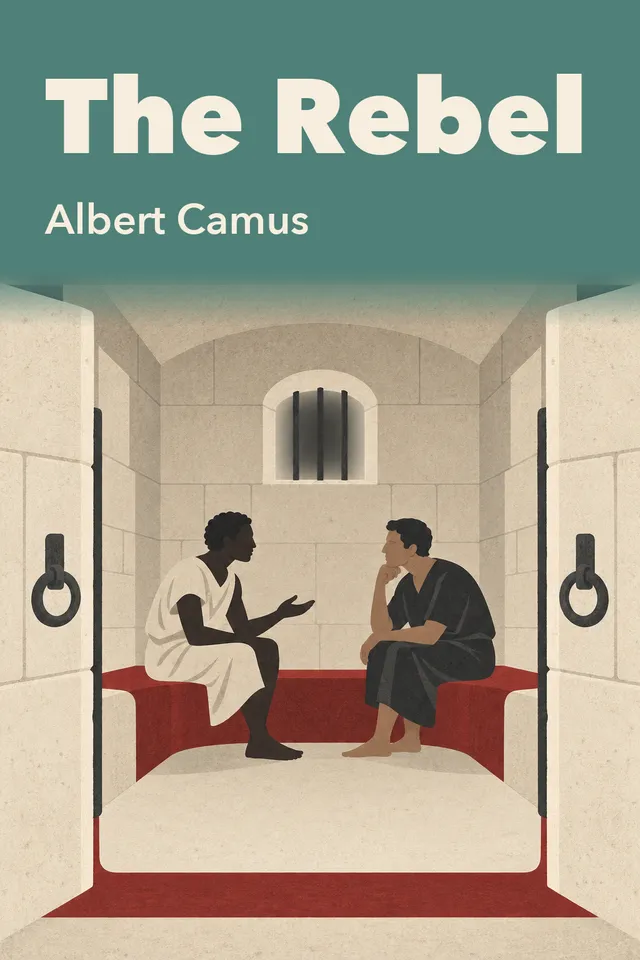
The Rebel
Albert Camus traces rebellion from a refusal of humiliation to revolutions that place authority in the people, history, or the state. He asks whether resistance can defend shared human dignity without becoming murder or domination, testing the question through philosophy, political history, literature, and an ethic of measure.
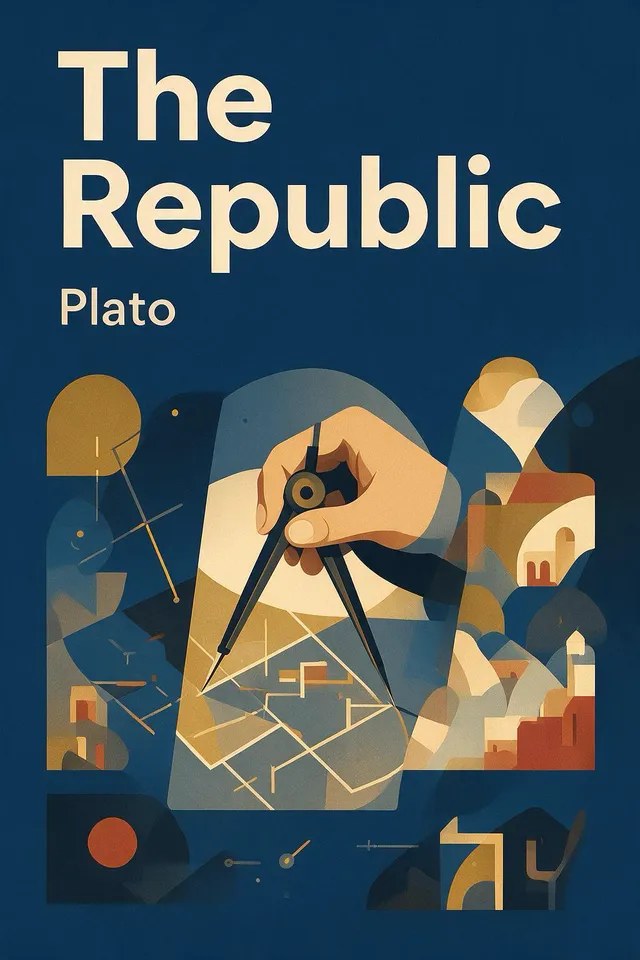
The Republic
Plato’s Republic asks whether justice is valuable in itself or only for its rewards. By building a model city and comparing it with a soul ruled by reason, it examines education, philosopher-rule, regime failure, pleasure, art, and the soul’s fate. Its value lies in clarifying how political arrangements and inner character shape one another.
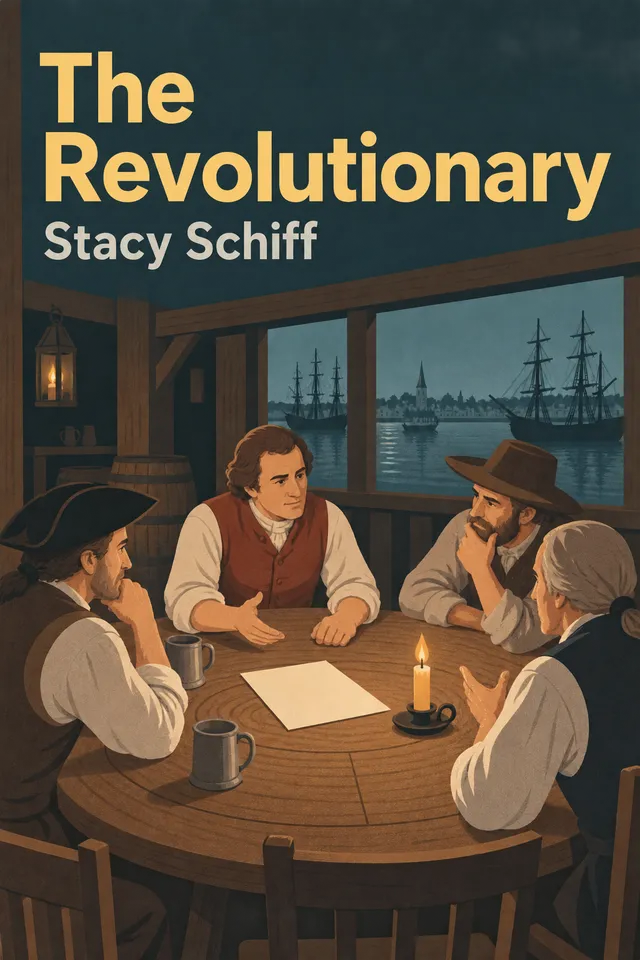
The Revolutionary
The book follows Samuel Adams from Boston’s local politics into the Revolution, asking how a wary organizer turned disputes over taxation, representation, and military power into collective resistance. It traces the costs of his methods and the uncertain record that shaped his reputation, showing how political change and public memory intertwined.
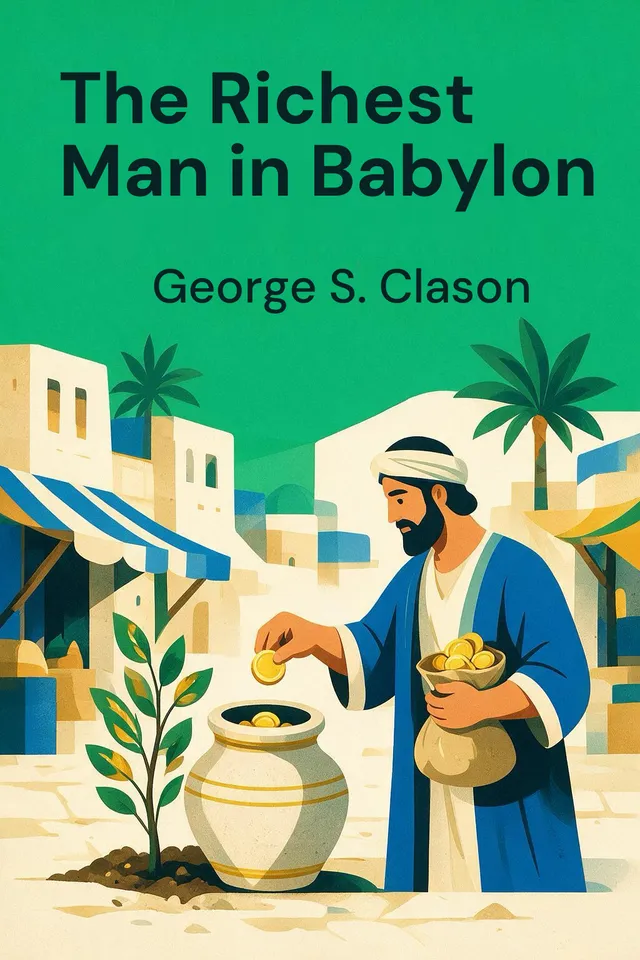
The Richest Man in Babylon
Through stories set in ancient Babylon, this book asks how people can acquire, protect, and grow wealth. It links saving, deliberate spending, productive investment, debt repayment, useful work, and decisive action into a practical study of financial self-command.
The Righteous Mind
The Righteous Mind examines why moral judgments arrive quickly, why cultures and political camps treat different concerns as morally significant, and how humans cooperate through groups, rituals, and religion. Haidt connects intuition, moral foundations, and political identity to a practical question: how can disagreement become more informed, humane, and constructive?

The Rise
Mike Sielski traces Kobe Bryant’s path from family basketball in Philadelphia and Italy through Lower Merion’s state championship and his decision to enter the NBA. The book asks how ambition, coaching, teammates, and evolving leadership shaped a gifted teenager, and what fame and dependence on one star demanded of the people around him.
The Rise and Fall of the Third Reich
William L. Shirer’s history asks how Hitler’s minority-backed movement captured Germany, turned conquest into a racial empire, and collapsed into ruin. This summary follows the institutions, choices, myths, and strategic errors behind that trajectory, clarifying how dictatorship can grow through both coercion and consent.
The Rise of Superman
Steven Kotler examines how action and adventure athletes use flow to learn, improvise, and perform under pressure. The book asks what enables this state, how its triggers can be cultivated in everyday and group settings, and how its benefits coexist with danger and unsettled science.
The Road Less Traveled
An audio-first account of how M. Scott Peck links psychological and spiritual growth to disciplined engagement with pain, reality, love, inherited worldviews, and grace. It asks what helps people mature, and how responsibility, separateness, skepticism, and openness to mystery can turn suffering into wiser action.
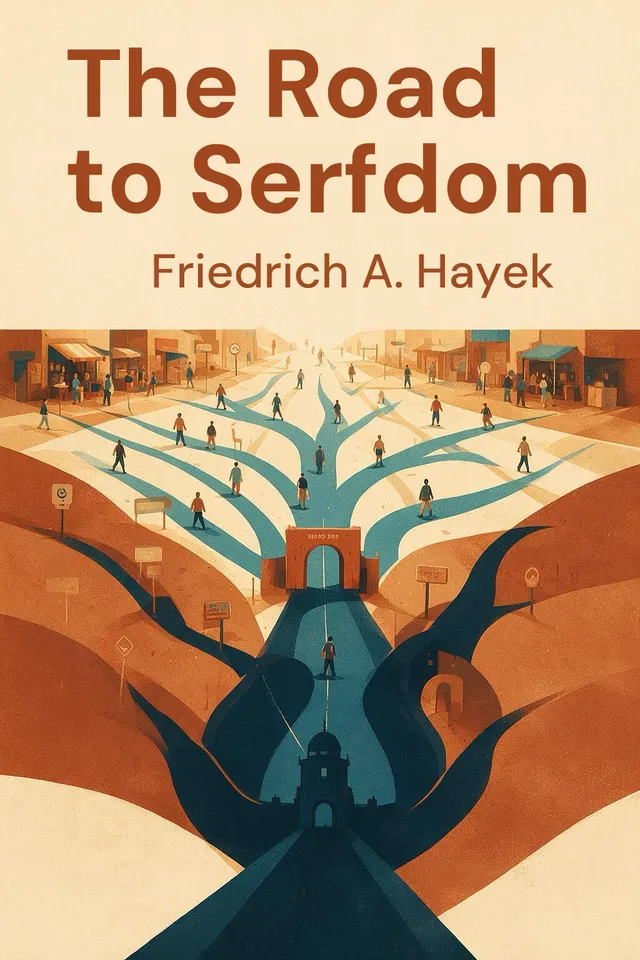
The Road to Serfdom
Why can an attempt to organize prosperity and security end by narrowing freedom? The book traces how comprehensive planning replaces competition, general rules, and personal choice with discretionary control, then follows the consequences for democracy, truth, social character, totalitarian politics, and international order. It clarifies the choices involved in preserving liberty.
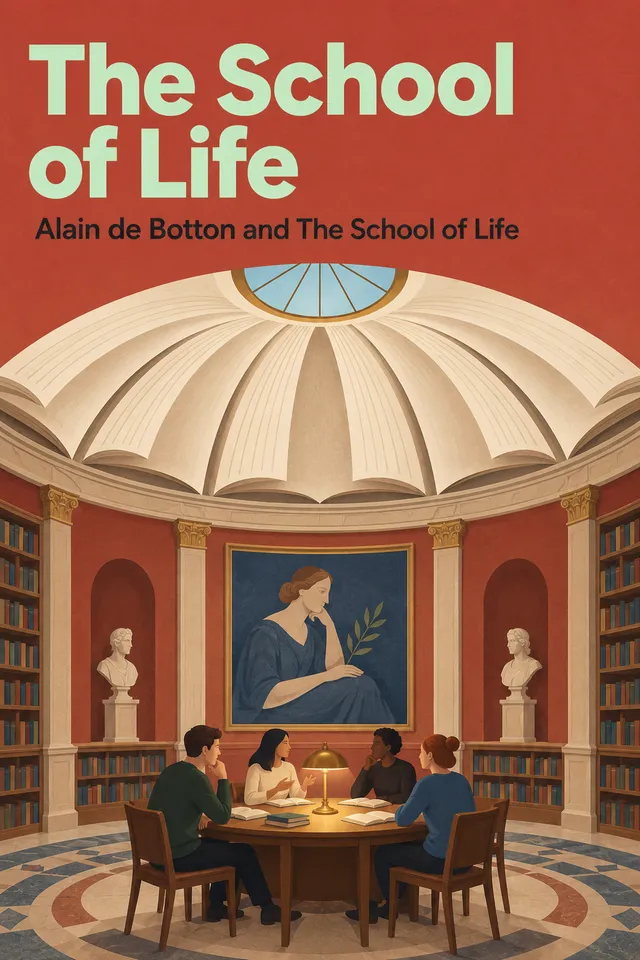
The School of Life
The School of Life asks how people can learn emotional skills that formal education often leaves to chance. Drawing on psychotherapy, philosophy, art, and relationship advice, it explores self-knowledge, love, and work, offering ways to understand feelings, communicate with care, and find consolation without expecting people or life to become flawless.
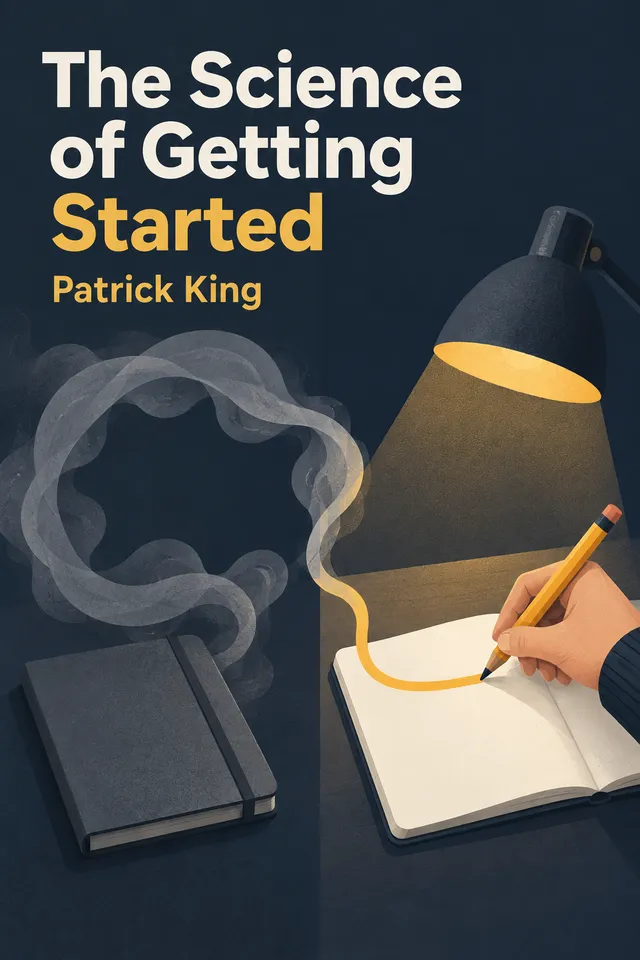
The Science of Getting Started
Why do we postpone tasks we intend to finish? Patrick King explores the emotional, impulsive, and practical forces behind procrastination. Learn to identify your avoidance patterns, start before motivation arrives, and use clearer priorities, concrete plans, rewards, and energy management to make progress easier.

The Science of Rapid Skill Acquisition
Peter Hollins’s guide asks how to turn a chosen goal into a skill through deliberate work. It explains how to break a skill into high-impact parts, practice with recall and spaced variation, check understanding and mistakes, and arrange social and physical conditions that support continued effort.
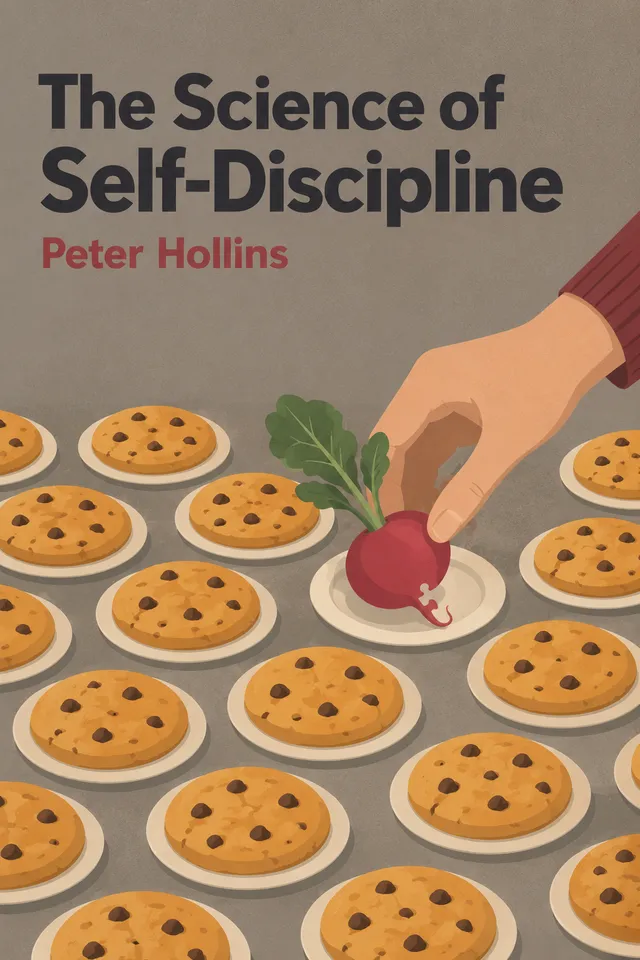
The Science of Self-Discipline
How can self-discipline become more dependable when motivation fades? Peter Hollins examines the roles of attention, discomfort, temptation, relationships, and habits. Practical methods for clarifying goals, reshaping surroundings, and weighing future consequences show how daily choices can support longer-term aims.