Books worth understanding, not just finishing.
Explore 987 carefully structured book summaries. Discover the central ideas and themes, then decide what deserves a full read.
All book summaries

The Power of Myth
The Power of Myth asks what myths do when inherited religions and rituals no longer organize modern life. Through creation stories, rites, heroes, love, the Goddess, the Grail, and images of eternity, it shows how metaphor connects personal change with nature, society, and mystery—and can guide a more conscious participation in life.
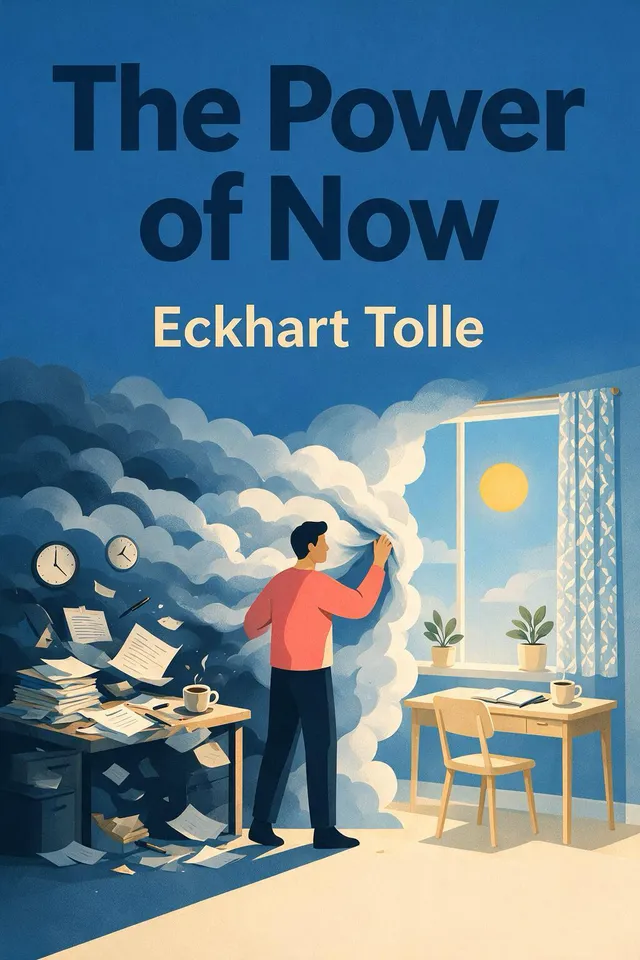
The Power of Now
The book examines how identification with compulsive thought, emotional pain, and psychological time creates suffering, and asks whether present-moment awareness can restore access to peace and Being. It connects this diagnosis to practices of observation, body awareness, relationship, and surrender.
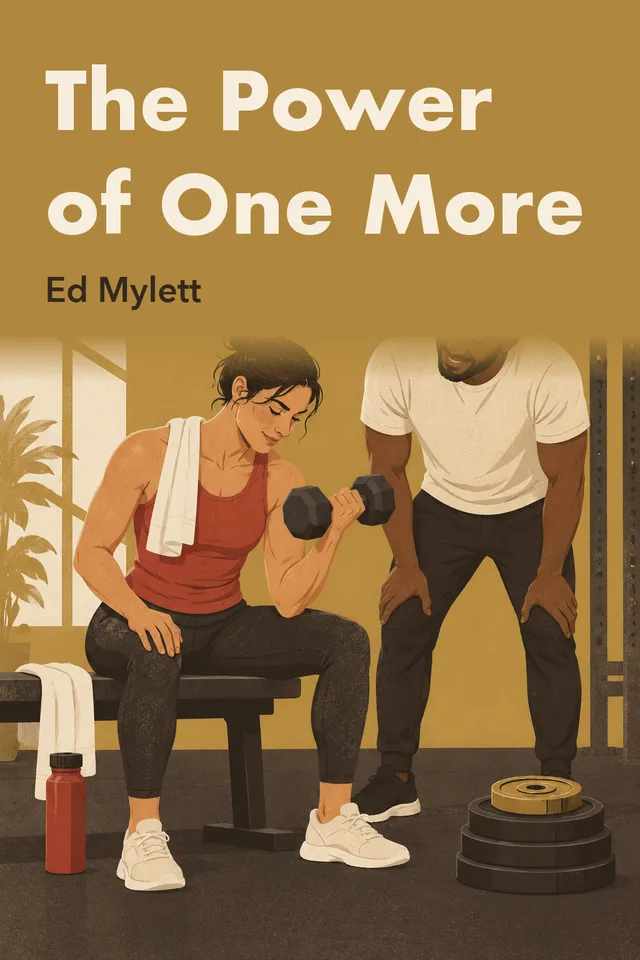
The Power of One More
Ed Mylett asks how deliberate thoughts and actions can reshape identity and everyday behavior. The book connects self-trust and attention with persistence, time, emotion, relationships, dreams, goals, habits, leadership, and faith, then considers how to use finite days well.

The Power of Positive Thinking
This book asks how faith-shaped thought can change a person’s response to fear, failure, illness, work, relationships, and grief. It links prayer, affirmations, visualization, expectation, calm, love, and practical effort, while qualifying its optimism with objective facts, medical cooperation, unavoidable suffering, and persistent practice.
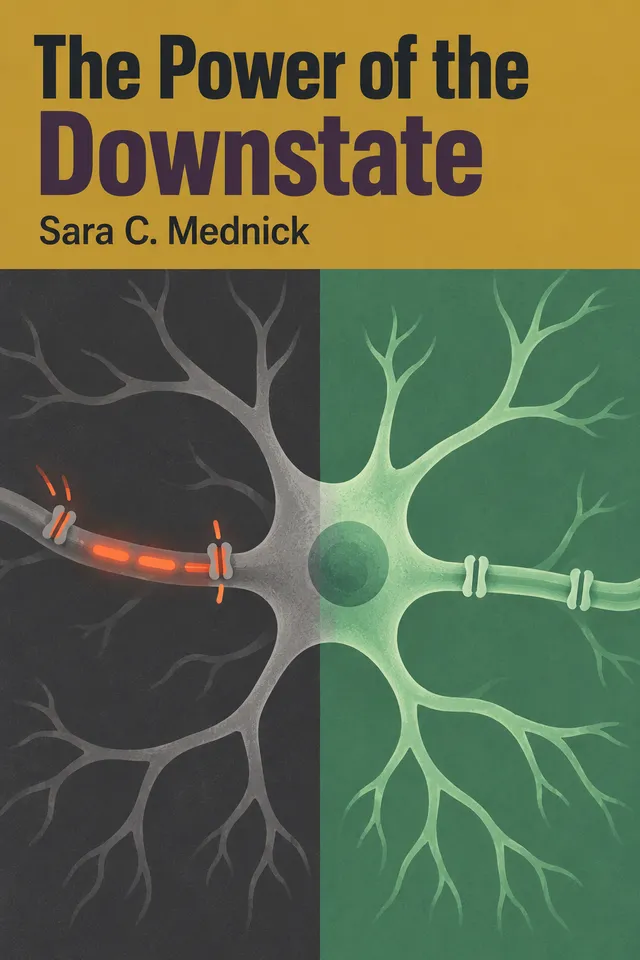
The Power of the Downstate
How can people recover in a culture that keeps them activated? Sara C. Mednick’s The Power of the Downstate links autonomic regulation, circadian timing, sleep, exercise, nutrition, and aging, then turns the framework into flexible practices while examining inequality and emerging interventions.

The Power of Unwavering Focus
The Power of Unwavering Focus presents focus as a trainable way to direct awareness, energy, and action. It asks how a person can choose meaningful priorities, resist distraction, and remain present. The summary traces the book’s spiritual model of the mind into practical routines for concentration, willpower, relationships, and work.

The Power of Vulnerability
The book asks how people can live wholeheartedly when a culture of “never enough” makes worth, belonging, and adequacy feel conditional. Brown links vulnerability with shame resilience, empathy, trust, authenticity, creativity, rest, meaningful work, and play, offering a framework for courageous participation without treating wholeheartedness as a finished state.

The Practice
The Practice asks how creators can keep making work when outcomes are uncertain. Seth Godin frames creativity as a repeatable practice of service: choose whom the work should help, make and share it, learn from difficulty and feedback, and develop skill without waiting for confidence or guarantees.
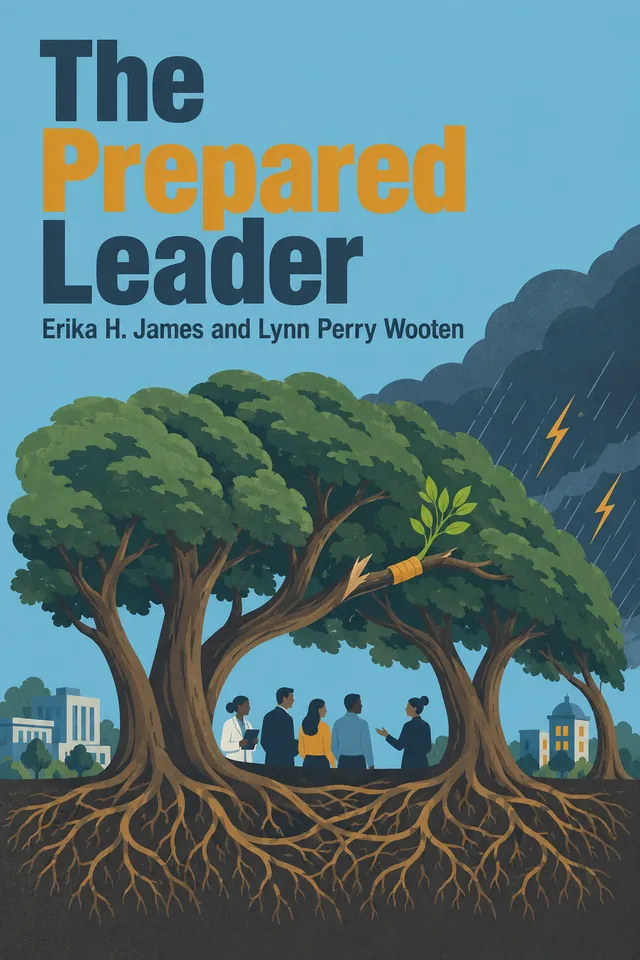
The Prepared Leader
The Prepared Leader asks how leaders can prepare for crises they cannot precisely predict, protect people and organizations under pressure, and learn their way toward greater resilience. James and Wooten connect crisis phases, leadership judgment, team trust, global coordination, technology, and organizational learning to practical action before, during, and after disruption.

The Prince
The book asks what enables a ruler to acquire, secure, and preserve political power. It connects regime structure, military foundations, public conduct, reputation, counsel, and Fortune, then turns Italy’s crisis into a test of those principles. Its value is a compact framework for judging when authority becomes durable rather than merely successful.

The Prince and the Pauper
Mark Twain’s novel follows Edward and Tom, boys of nearly identical appearance but radically different rank, after they exchange clothes. Through their parallel ordeals, it asks how recognition, law, and social standing shape identity and justice, and whether suffering can make political power more humane. The story offers a way to examine how credibility and punishment shift with status.

The Procrastination Cure
The Procrastination Cure asks why people postpone tasks they still mean to complete and how to interrupt that habit. It connects immediate-reward seeking with fear, overwhelm, boredom, distraction, and indecision, then offers practical ways to start smaller, structure work, use accountability, and distinguish harmful delay from strategic postponement.
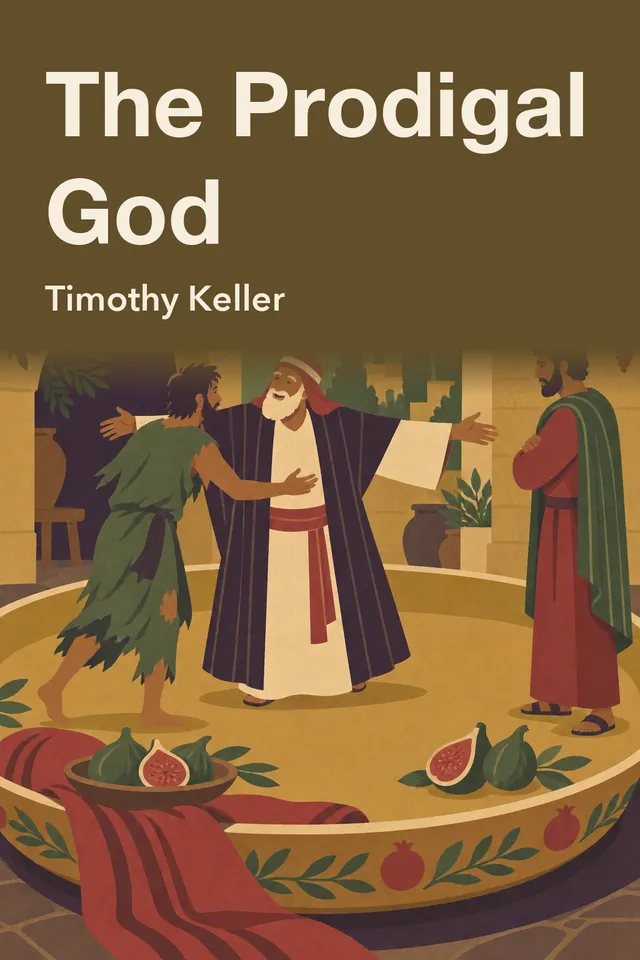
The Prodigal God
The book reads Jesus’ parable of the two sons as exposing both rebellion and respectable self-righteousness. It asks what it means to be lost, found, and brought home, tracing how costly grace reshapes repentance, hope, personal conduct, community, and care for vulnerable people.
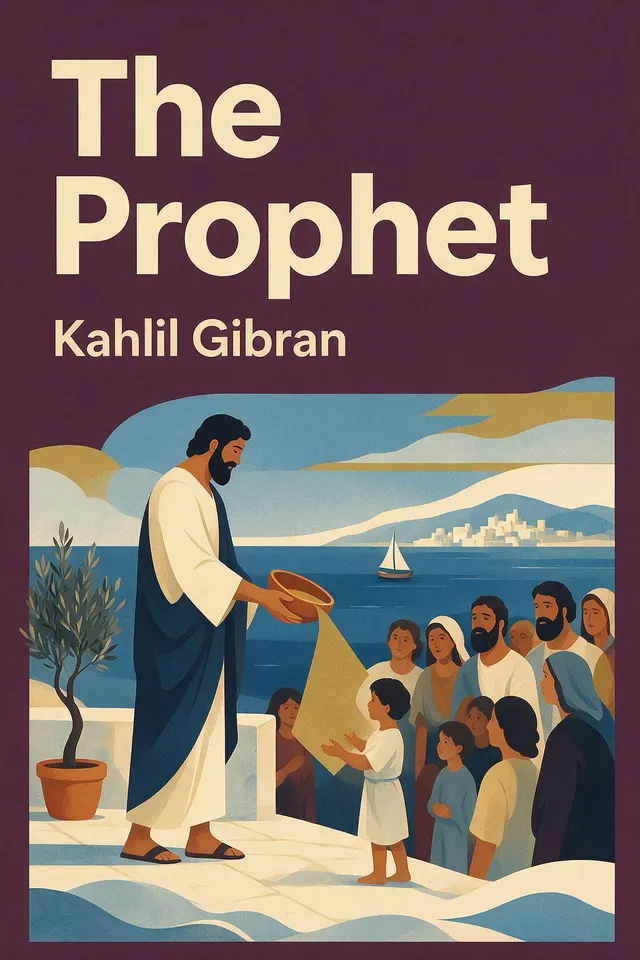
The Prophet
As Almustafa prepares to leave Orphalese, The Prophet asks how people can love without possession, work as part of shared life, hold joy and sorrow together, and meet death without losing their deeper unity. Its value is a poetic, experiential guide to spiritual wholeness in ordinary human choices.
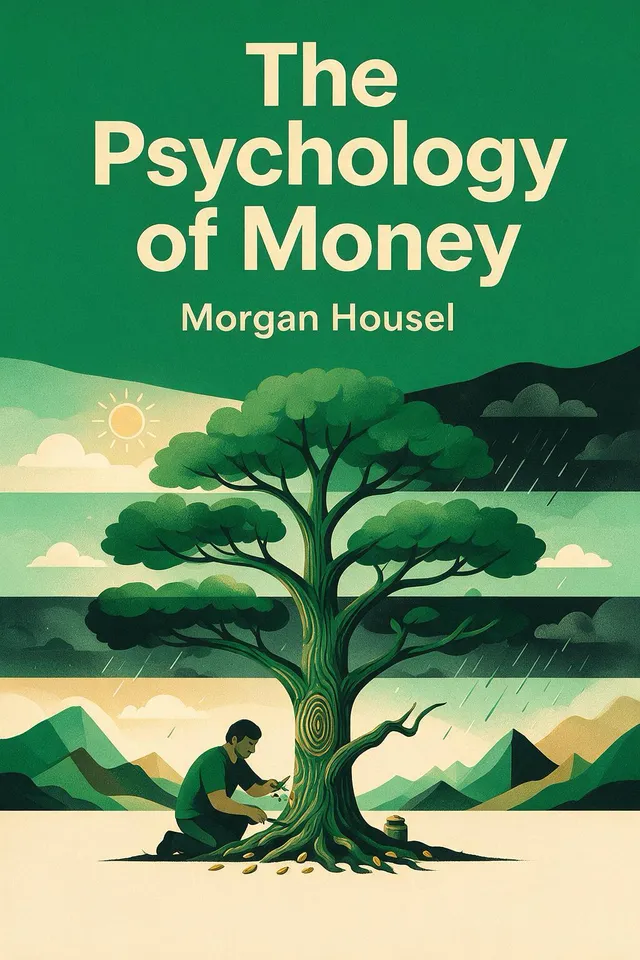
The Psychology of Money
Why do people make money choices that seem irrational, and how can they build wealth without risking what matters most? Morgan Housel examines personal history, luck, compounding, saving, time autonomy, uncertainty, changing goals, and economic expectations, then turns those ideas into a framework for durable financial behavior.
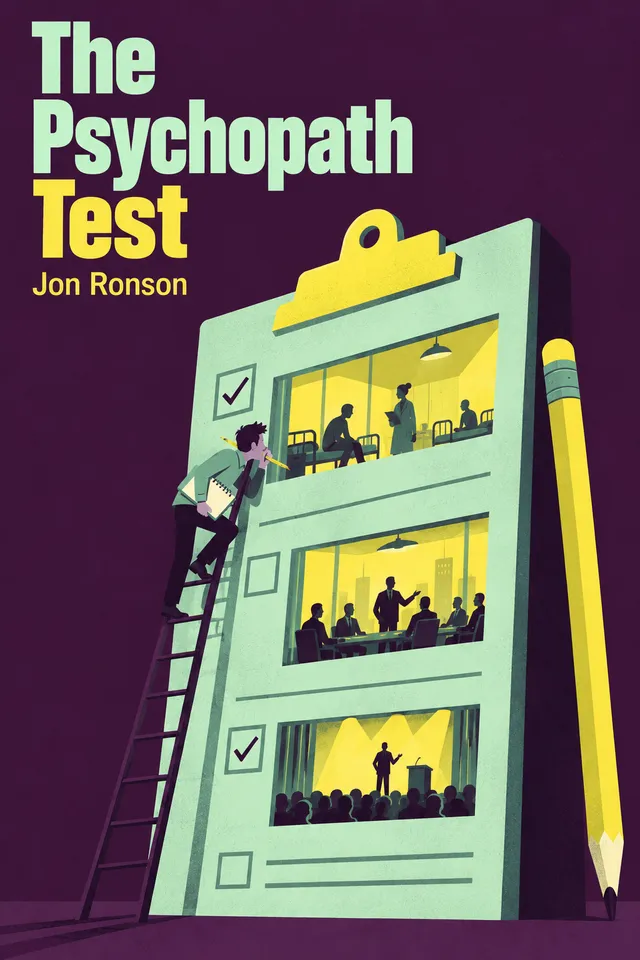
The Psychopath Test
Jon Ronson follows a cryptic book into questions about psychopathy, psychiatric diagnosis, and the institutions that label or reward troubling behavior. Through cases of prison treatment, corporate leadership, conspiracy, profiling, and childhood diagnosis, he asks what checklists reveal, what they miss, and how their use can shape a person’s life.

The Pumpkin Plan
The Pumpkin Plan asks how an overworked business can grow without draining its cash or making the owner indispensable. Mike Michalowicz adapts giant-pumpkin farming into a practical method for choosing best-fit customers, sharpening a distinctive offer, pruning poor-fit work, and building systems others can run.

The Purpose Myth
Charlotte Cramer asks why paid work is expected to provide not only income but identity, contribution, and growth. She argues that meaningful projects alongside a job can meet needs work leaves unmet, and offers a practical path from choosing a problem through testing, building, sharing, and reflecting.