Books worth understanding, not just finishing.
Explore 987 carefully structured book summaries. Discover the central ideas and themes, then decide what deserves a full read.
All book summaries
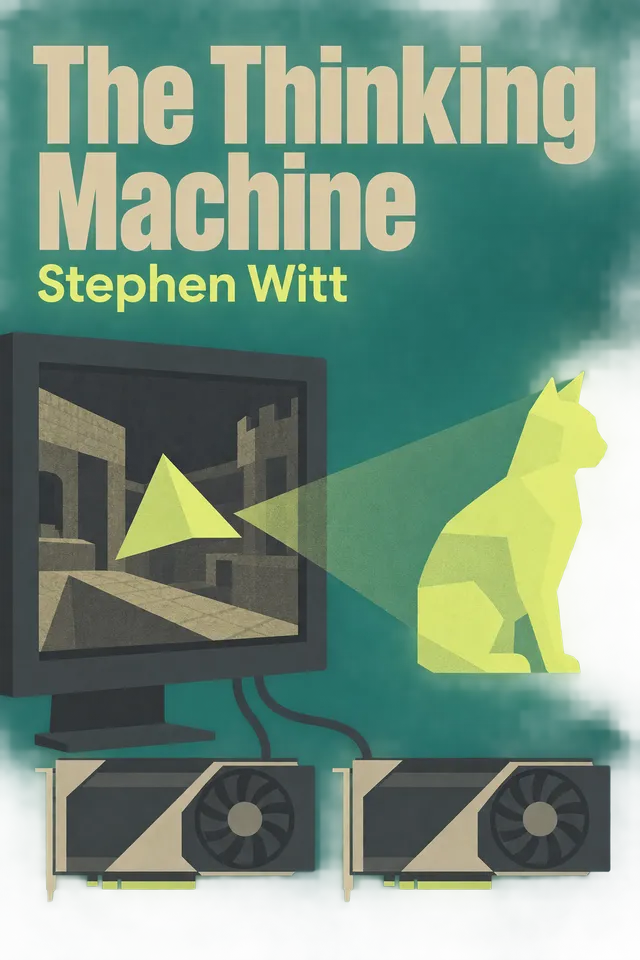
The Thinking Machine
This account traces Nvidia’s shift from video-game graphics to the computing platform behind neural-network research and generative AI. It asks how the company sustained a costly technical bet before its uses were clear, then weighs the gains against platform dependence, rising energy needs, supply-chain exposure, and disagreement over AI’s risks.
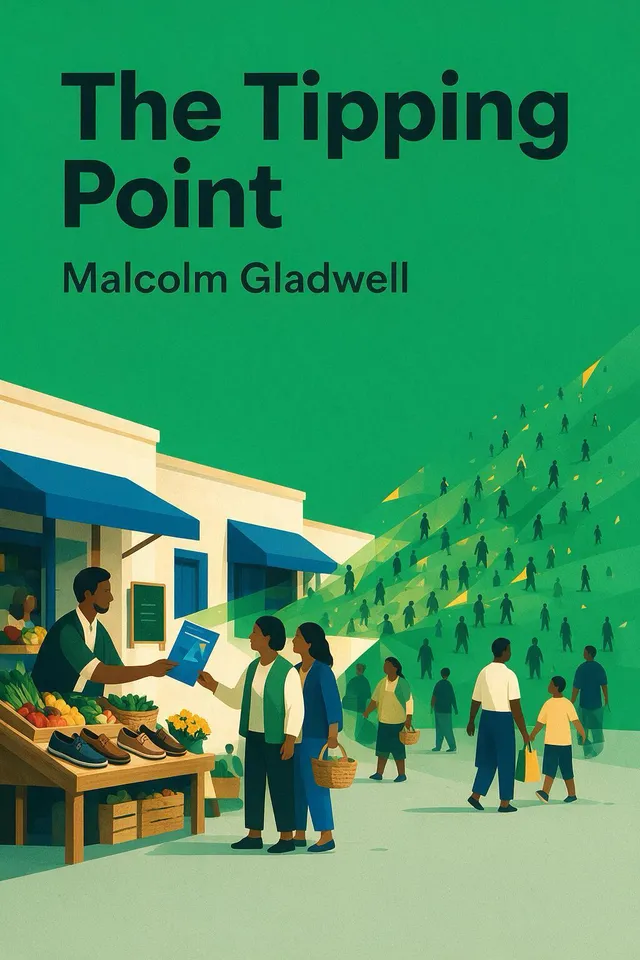
The Tipping Point
Why do fashions, diseases, crimes, and habits sometimes surge or collapse after a small change? Malcolm Gladwell’s framework explains social epidemics through influential people, memorable messages, and immediate context, using cases from Hush Puppies to smoking to show how small, targeted changes can redirect collective behavior.
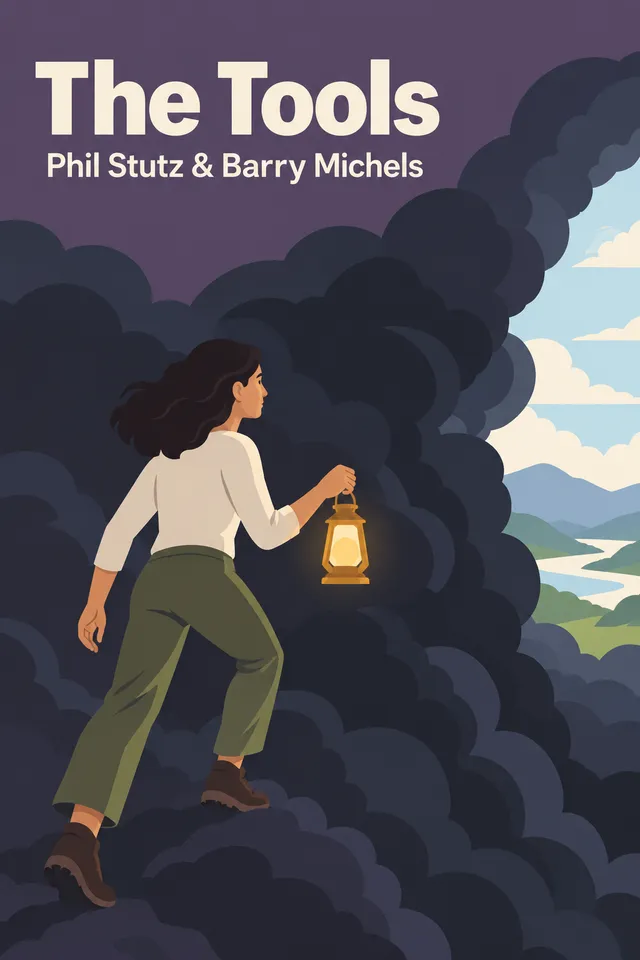
The Tools
The Tools presents five repeatable practices for meeting pain, anger, self-consciousness, negative thinking, and resistance. It asks how people can move from insight to action when familiar habits take over. Its step-by-step exercises offer a way to work with recurring problems, while the authors connect personal change to an experiential spiritual and social vision.
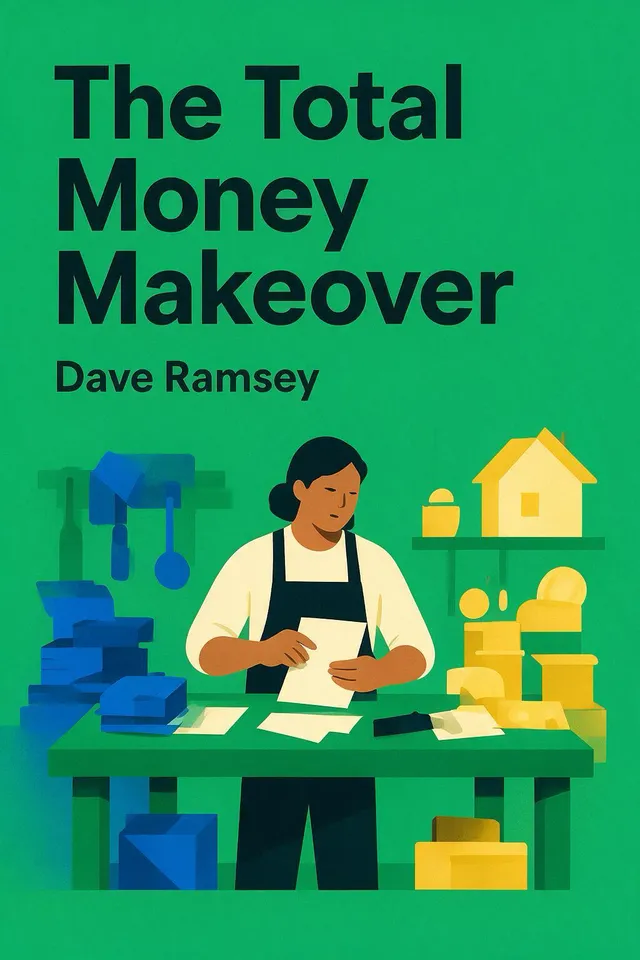
The Total Money Makeover
How can a household move from denial, debt, and paycheck-to-paycheck vulnerability to financial control? The book’s answer is a behavior-first sequence: face the numbers, budget, build emergency reserves, eliminate debt, invest, fund education, pay off the home, and use resulting wealth for enjoyment and giving.
The Turn of the Screw
A governess’s manuscript reaches readers through Douglas and a later transcriber. At Bly, she cares for two orphaned children and reports seeing their dead former servants; the children and Mrs. Grose do not always confirm her perceptions. What can a caretaker responsibly conclude when her sightings are disputed?
The Twelve Caesars
Suetonius’s biographies ask how Rome’s rulers used power and what their public deeds, private habits, and reputations reveal about character. Following Caesar through Domitian, this account examines ambition, administration, succession, and violence, while showing how to weigh anecdotes and uneven evidence.
The Two Fundamental Problems of Ethics
Schopenhauer pairs an inquiry into whether human willing is free with a search for the basis of moral worth. He traces action through motives and character, challenges Kantian duty as an explanation of moral conduct, and develops compassion, justice, and loving-kindness as ethical foundations.
The Tyranny of Merit
Michael J. Sandel examines what happens when a society treats success as proof of merit and failure as personal fault. The book asks whether fair opportunity is enough, given luck, inherited advantage, credentialism, and unequal social esteem, and points toward work, humility, and a common good beyond competitive sorting.
The Uninhabitable Earth
David Wallace-Wells traces how warming can unsettle bodily safety, food and water systems, economies, politics, and belief in progress. What does it mean to live through a crisis that compounds across human systems, and which choices can still change its course? The book offers a framework for understanding connected risks and collective responses.
The Untethered Soul
The Untethered Soul examines the difference between consciousness and the thoughts, emotions, and protective patterns that shape ordinary experience. It asks who is aware beneath the inner voice, then follows practices of witnessing, letting go, nonresistance, and openness toward greater freedom, happiness, and spiritual love.
The Value of Debt in Building Wealth
Thomas J. Anderson asks when debt can build wealth rather than undermine it. He argues that borrowing should be judged alongside savings, liquidity, investment risk, and life stage, then develops a four-phase plan with worked household, housing, and retirement examples. The models show both the potential and limits of preserving low-cost debt while assets grow.
The Virgin Way
Richard Branson presents the Virgin Way as a leadership practice built around listening, customer experience, experimentation, and trust in people. The book asks how organizations can compete, grow talent, make hard decisions, and combine business with social and environmental aims while keeping work purposeful and enjoyable.
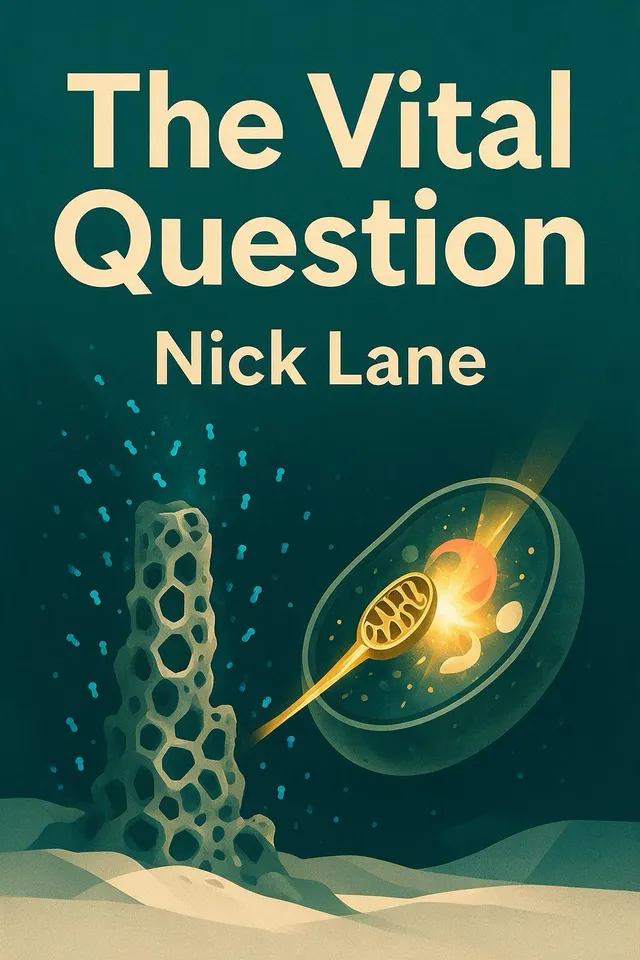
The Vital Question
Nick Lane asks why life universally turns chemical gradients into usable energy, why bacteria and archaea remained simple for billions of years, and why complex cells appeared only once. He links alkaline-vent chemistry, mitochondrial endosymbiosis, sex, ageing, and disease into a testable account of life’s origins and rarity.
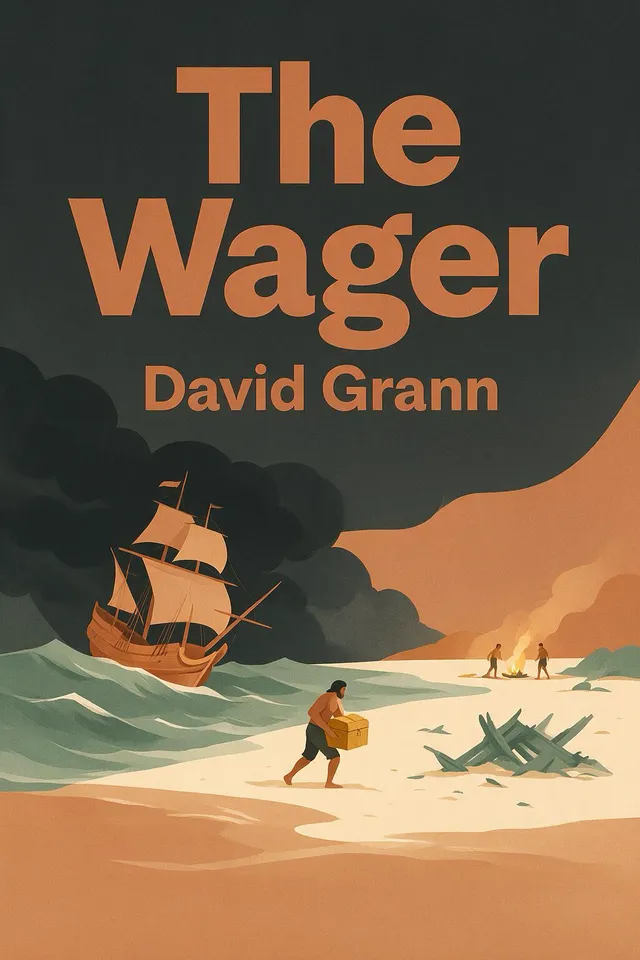
The Wager
David Grann reconstructs HMS Wager’s secret British mission to seize a Spanish treasure galleon and the catastrophe that follows: disease, storms, shipwreck, starvation, mutiny, captivity, and competing accounts. The central question is how survival and imperial authority shape who is remembered as a hero, a mutineer, or a civilized officer.
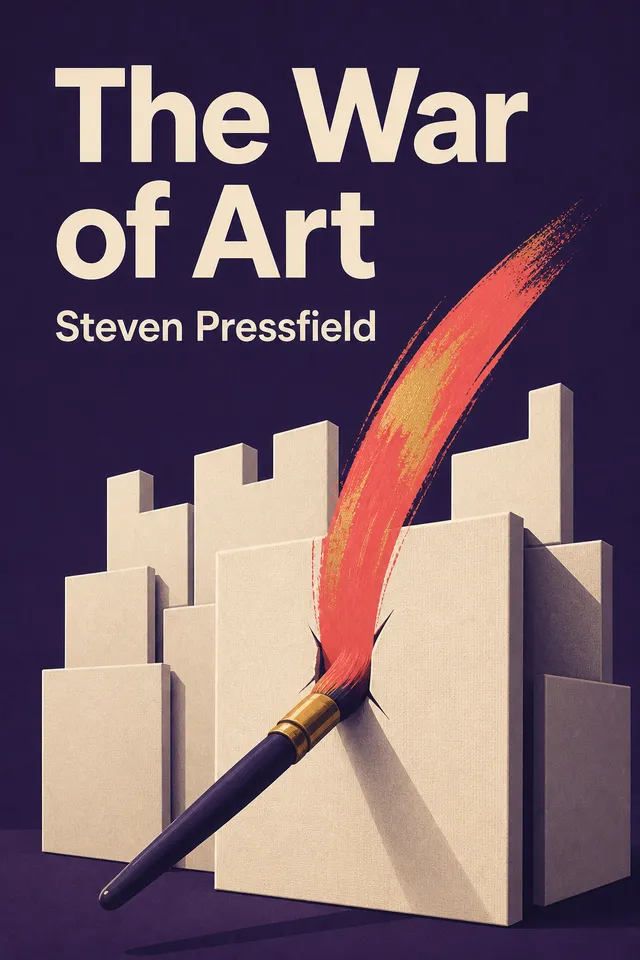
The War of Art
Steven Pressfield’s The War of Art asks why people resist meaningful creative work, how fear disguises itself as procrastination and self-sabotage, and what changes when a person turns professional. It offers a disciplined, spiritually open framework for beginning, sustaining, and giving one’s work to the world.
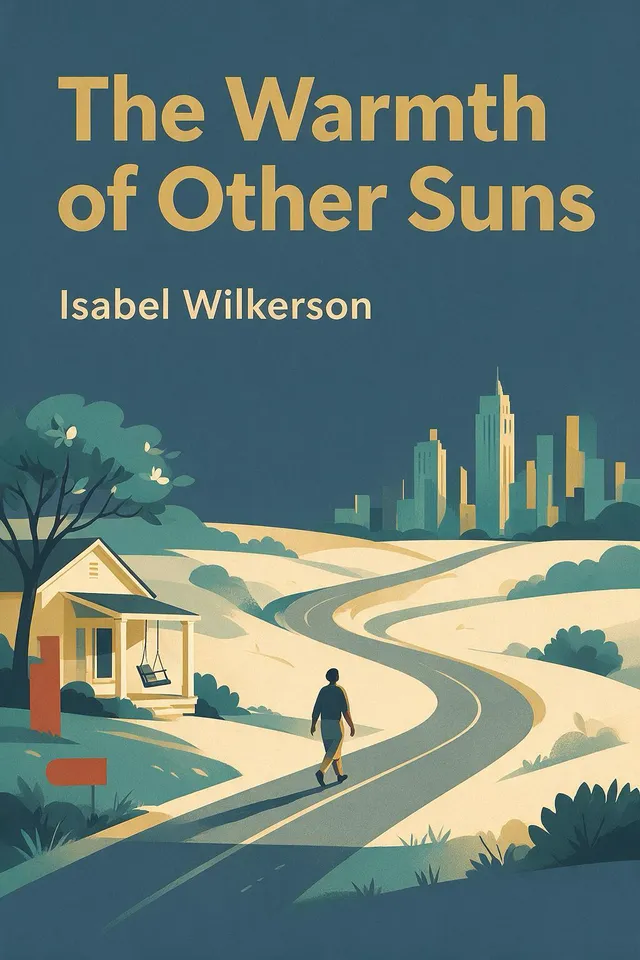
The Warmth of Other Suns
Isabel Wilkerson follows Ida Mae Gladney, George Starling, and Robert Foster through the Great Migration from the Jim Crow South. The book asks what freedom costs when escape leads to unfamiliar cities, new barriers, family separation, and reinvention, while showing how private decisions can reshape cities, politics, culture, and generations.

The Warrior Within
The Warrior Within asks how a person can live courageously and serve others without pretending to be invulnerable. D.J. Vanas connects values and vision to everyday choices, self-care, resilience through fear and change, and learning with a community, offering practices for turning purpose into sustainable contribution.
The Watchman's Rattle
Why do societies become stuck when their problems grow more complex than people can manage? Costa traces how cognitive overload can make belief-driven habits block solutions, from opposition and scapegoating to false causal stories, institutional silos, and profit-first thinking. She then explores coordinated action and ways to make room for insight.