Books worth understanding, not just finishing.
Explore 987 carefully structured book summaries. Discover the central ideas and themes, then decide what deserves a full read.
All book summaries
The One Thing
The One Thing asks how extraordinary results are built when time, attention, and energy are limited. It proposes identifying the highest-leverage priority, asking a focusing question, and protecting the next action. The method connects purpose, priority, productivity, and counterbalancing to practical action at work and in life.
The Order of Time
Carlo Rovelli asks what time is when relativity removes a universal clock, thermodynamics gives the past a direction, and quantum theory replaces smooth continuity with relations and events. The book follows these changes into memory, causality, identity, and the felt present, showing how familiar time can emerge without being fundamental.
The Origin of Species
Why do species resemble one another yet fit different conditions? This audio summary follows Darwin’s case from domesticated variation and population struggle to natural selection, then tests it against instinct, hybrid sterility, fossils, geography, classification, embryology, and rudimentary organs. It shows how common descent can explain both adaptation and imperfection.
The Origins of Totalitarianism
How can a movement turn socially isolated people into instruments of total rule? This summary follows the account from mass atomization and propaganda to leader-centered organization, secret police, terror, and camps, clarifying how domination destroys shared reality and why freedom remains a capacity for new beginnings.
The Origins of Virtue
The book asks how humans became capable of virtue and cooperation without eliminating self-interest. It traces nested biological collaboration, reciprocity, food sharing, moral emotion, cultural groupishness, trade, property, and self-government, showing why these capacities can sustain trust yet also produce conflict and ecological failure.
The Oxygen Advantage
Patrick McKeown’s The Oxygen Advantage asks how breathing volume and pattern may affect oxygen delivery, exercise, and health. It explains the author’s carbon-dioxide model, nasal and reduced-breathing methods, and breath-hold training, then examines proposed uses for performance, attention, appetite, cardiovascular health, asthma, and children’s airway development, with a BOLT-based plan for adapting practice.
The Paradox of Choice
Barry Schwartz examines why the expansion of choice—from shopping and education to medicine and relationships—can increase autonomy yet also create overload, regret, comparison, and dissatisfaction. The book asks when more freedom stops helping and shows how satisficing, commitments, limits, and selective delegation can protect attention and well-being.
The Parenting Map
How can parents guide children without making them extensions of their own fears and expectations? Dr. Shefali’s conscious parenting framework connects parental self-awareness with practical ways to understand behavior, respond to emotions, negotiate boundaries, and support children’s growing autonomy.
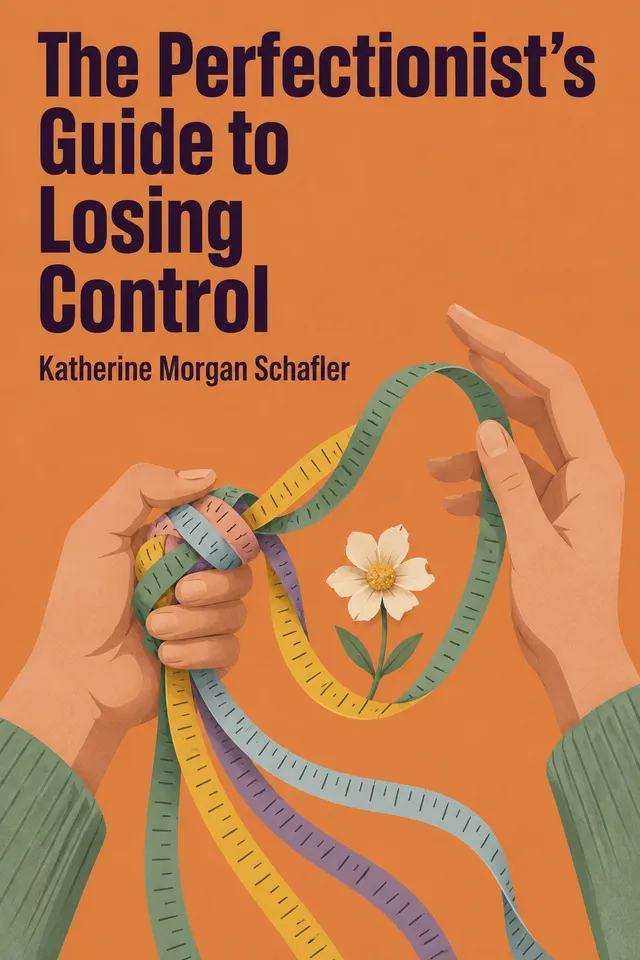
The Perfectionist's Guide to Losing Control
Why can the urge to excel energize one person yet turn into control and self-punishment? Katherine Morgan Schafler maps five fluid perfectionist styles and shows how their strengths can be reclaimed through self-compassion, restorative habits, and gradual self-trust, helping readers pursue meaningful standards while making room to enjoy life.
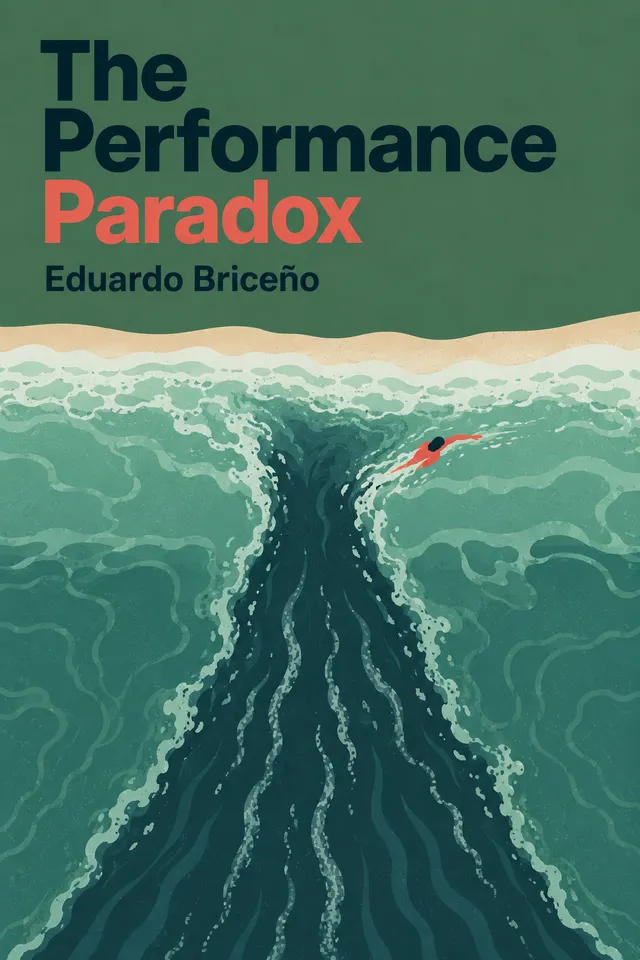
The Performance Paradox
Eduardo Briceño asks why repeated effort can keep people busy without helping them improve. He explains how to combine learning with performance, use mistakes and feedback well, and build habits, teams, and organizations that support development while delivering results.
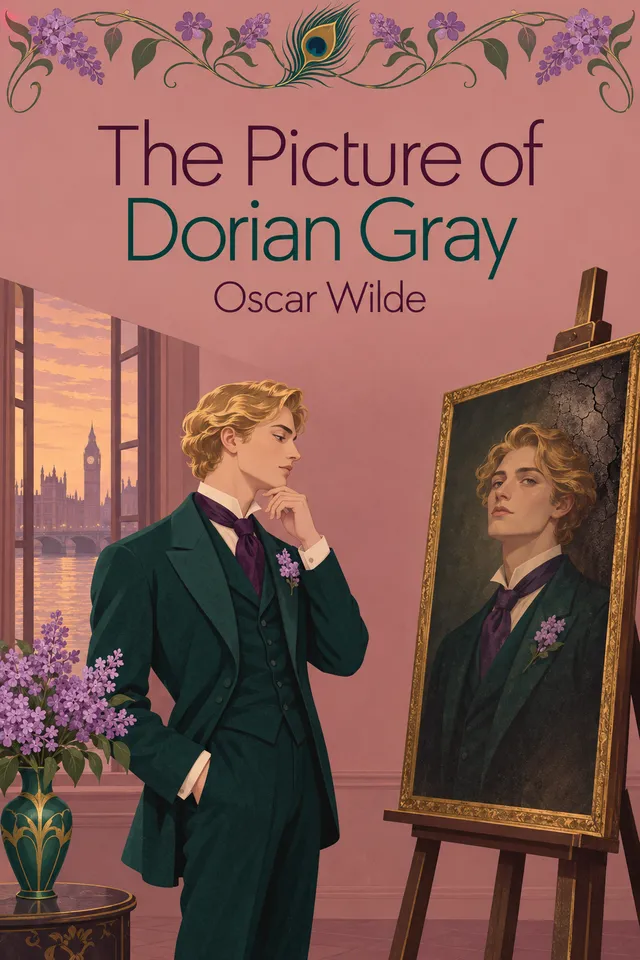
The Picture of Dorian Gray
The novel asks what happens when Dorian Gray tries to keep his beauty while a portrait bears the signs of age and wrongdoing. Through Lord Henry’s influence, Sibyl Vane’s theatrical love, and Dorian’s escalating concealments, it examines how art, desire, conscience, and self-deception shape a life.
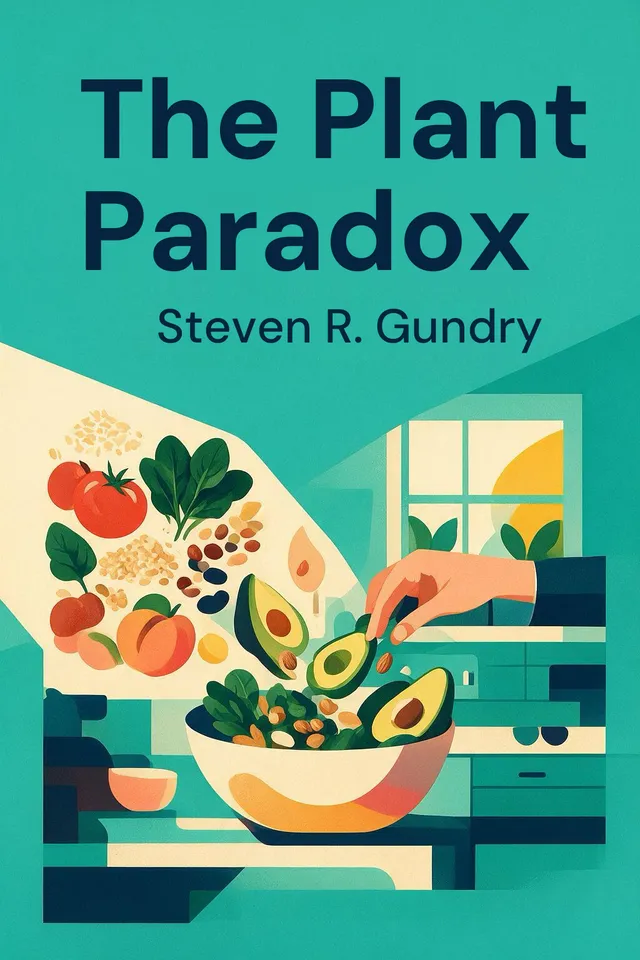
The Plant Paradox
Steven R. Gundry’s The Plant Paradox asks why foods often labeled healthy might, in the book’s account, interact with lectins, gut microbes, and modern exposures to promote illness and weight gain. This summary traces that argument and explains the proposed phased diet, fasting, supplements, and meal-planning response.
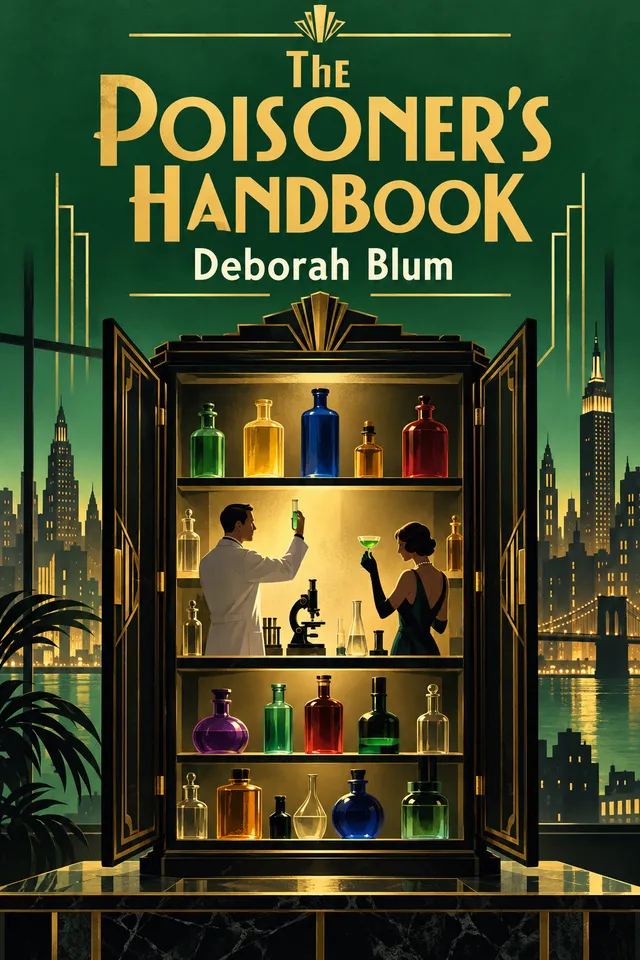
The Poisoner's Handbook
How can investigators distinguish poisoning from disease, accident, or murder when a toxin is hidden or its effects resemble ordinary illness? Following Charles Norris, Alexander Gettler, and cases from chloroform to thallium, this history shows how laboratory evidence shaped criminal investigations and public-health debates.

The Pope at War
Drawing on newly opened Vatican records and diplomatic files from multiple countries, David I. Kertzer examines how Pius XII balanced church interests, peace efforts, and political caution as Fascist Italy joined Nazi Germany. The account follows the deportation of Rome’s Jews and the postwar contest over the pope’s legacy.

The Porn Trap
How can someone tell when pornography has become a harmful pattern, and what can recovery require? The book examines porn as a potentially compelling sexual outlet, traces costs to self-respect and intimacy, and presents approaches to changing habits, preventing relapse, supporting partners, rebuilding trust, and developing more connected sexuality.
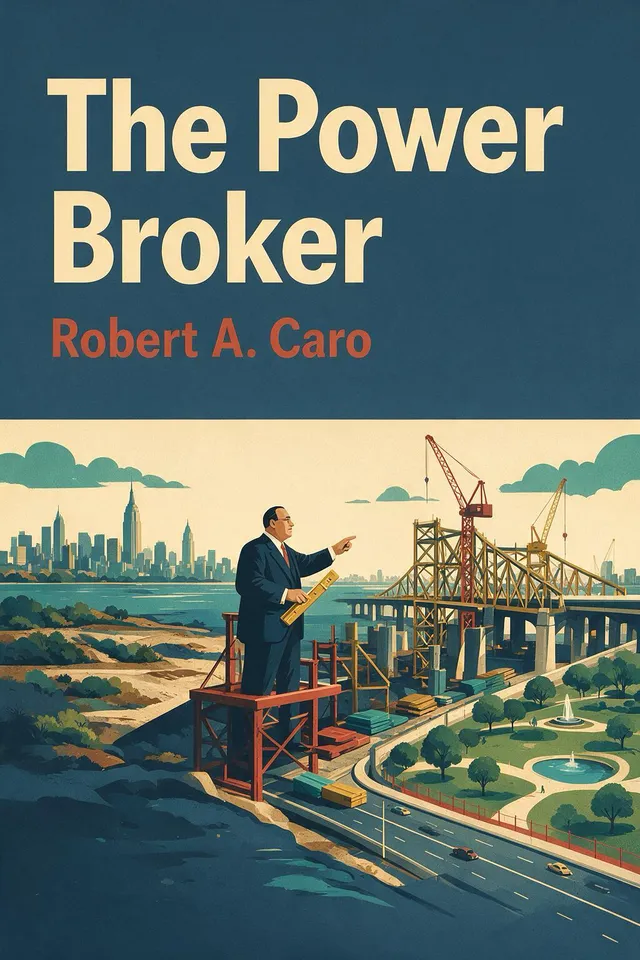
The Power Broker
How did Robert Moses, an unelected reformer, gain the authority to remake New York—and what did that authority cost? This concise account follows the machinery behind his parks, roads, public authorities, and urban renewal, weighing durable public works against displacement, exclusion, traffic, and weakened democratic oversight.
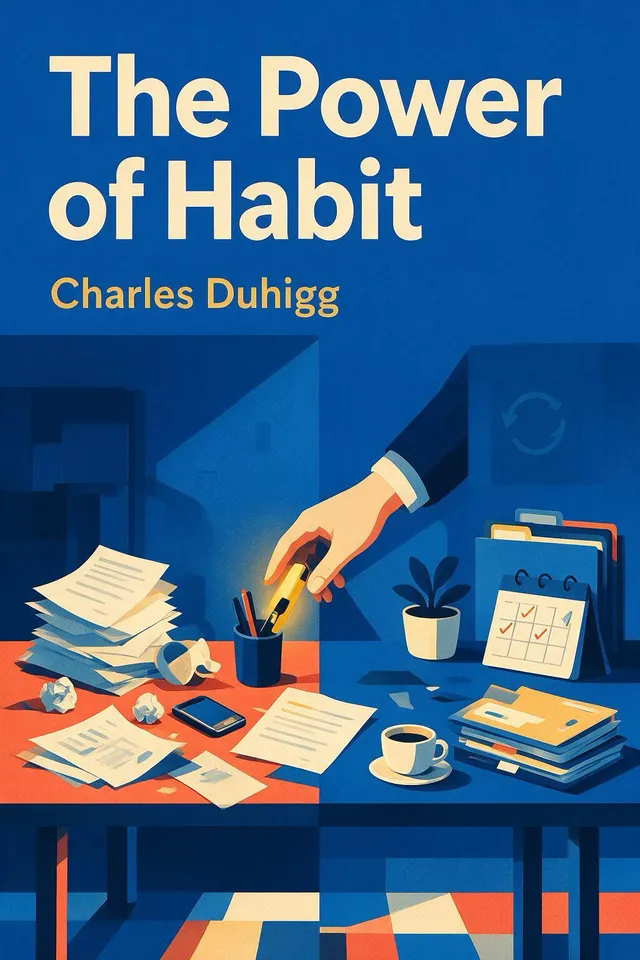
The Power of Habit
Why do ordinary actions become automatic, and how can they be changed? The book follows cue–routine–reward loops through craving, willpower, workplaces, markets, social movements, and compulsions, offering a framework for recognizing patterns, testing replacements, and understanding how belief, context, and community make change durable.
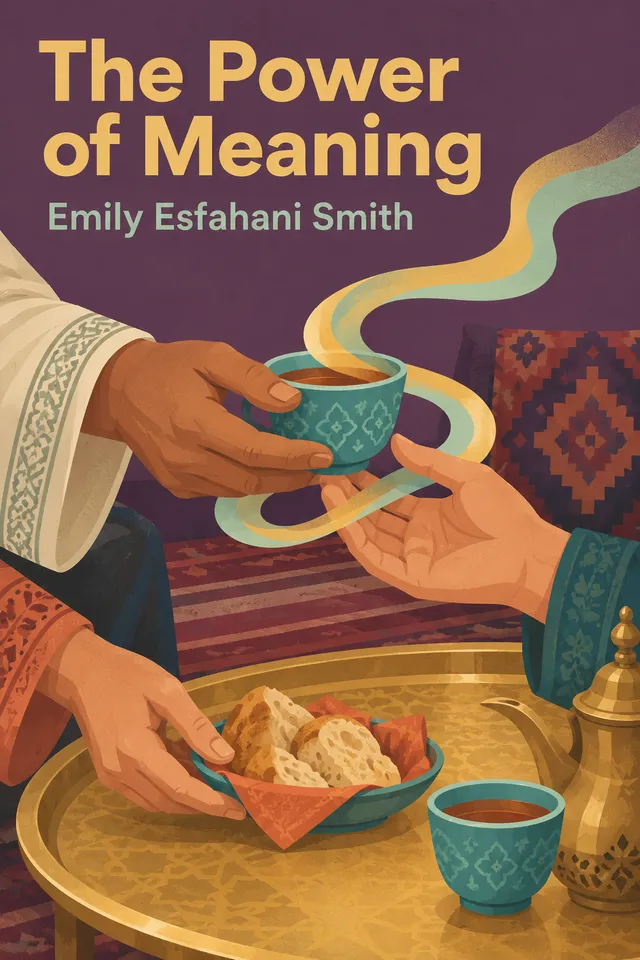
The Power of Meaning
What makes a life meaningful beyond feeling happy? Emily Esfahani Smith explores belonging, purpose, storytelling, and transcendence, showing how relationships, service, and reflection create significance. Her account also examines how people rebuild meaning after loss and how communities can support it throughout life.