Books worth understanding, not just finishing.
Explore 987 carefully structured book summaries. Discover the central ideas and themes, then decide what deserves a full read.
All book summaries
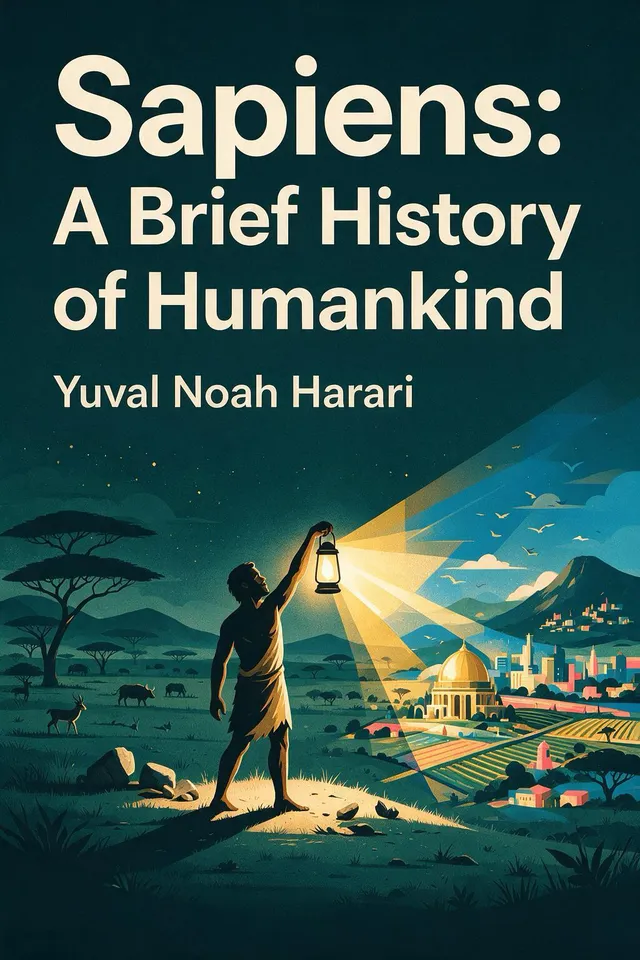
Sapiens: A Brief History of Humankind
Sapiens asks how an unremarkable ape became the dominant human species—and whether rising collective power improved individual life. It traces the Cognitive, Agricultural, and Scientific Revolutions through shared fictions, money, empire, religion, capitalism, and industry, then weighs modern progress against happiness, ecological cost, and the prospect of redesigning humanity.
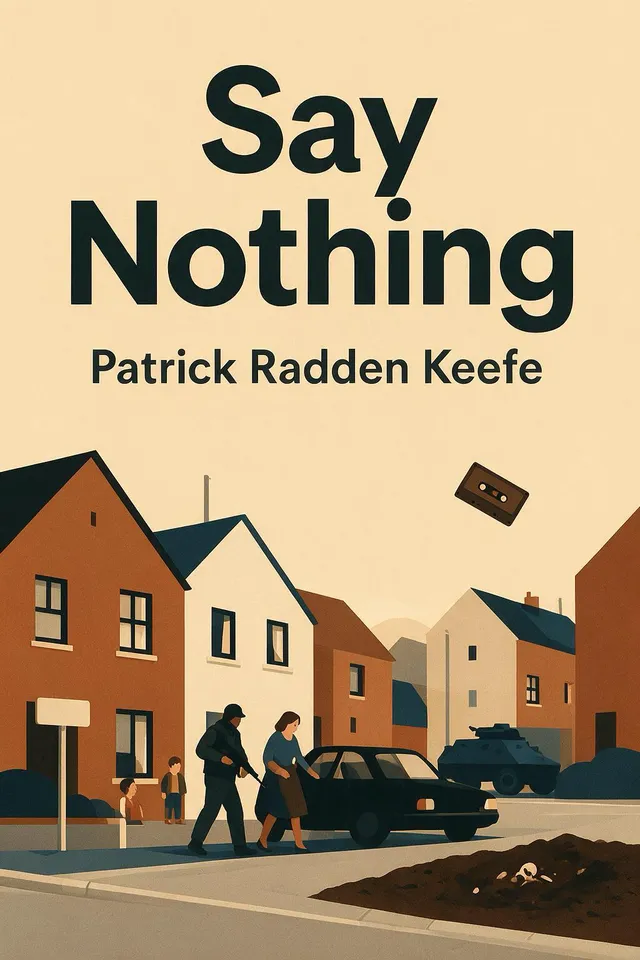
Say Nothing
Say Nothing follows the Troubles through Jean McConville’s disappearance, the Price sisters’ radicalization, IRA and British intelligence operations, and the Boston College tapes. It asks how political violence becomes ordinary, how silence protects movements while wounding families, and whether peace can endure without shared truth and accountability.

Scream: Chilling Adventures in the Science of Fear
Why do people seek experiences that make them afraid? Margee Kerr explores how bodily threat, memory, culture, mortality, and company shape fear, from roller coasters and haunted attractions to confinement and real danger. The book helps readers understand the value and limits of chosen fear, and how consent, context, and support shape a challenge.

Seculosity
Seculosity asks why secular pursuits can take on the demands of religion. David Zahl traces how busyness, romance, parenting, technology, work, leisure, food, and politics promise worth or rescue yet intensify anxiety when made ultimate. The book considers Christian grace as a way to receive enoughness without earning it.

See You at the Top
How can people put unused potential to work and build a fuller life? Zig Ziglar’s six-step framework connects self-image, relationships, goals, attitude, work, and desire, with practical routines for setting targets, encouraging others, renewing habits, and persisting through setbacks. The closing chapter extends his argument into a call for civic responsibility and defense of free enterprise.
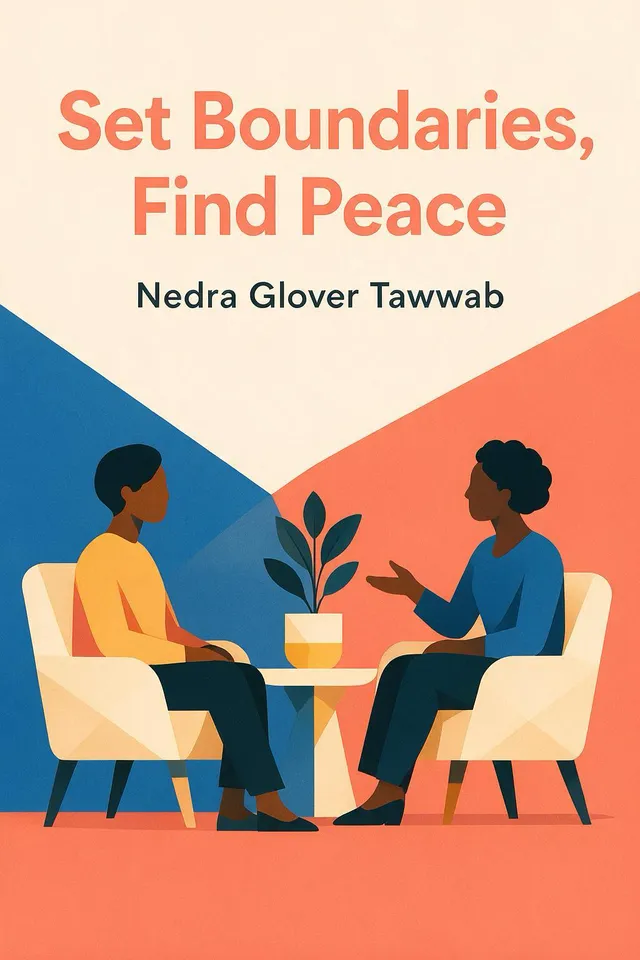
Set Boundaries, Find Peace
Set Boundaries, Find Peace asks how people can protect time, well-being, and relationships without withdrawing from connection. It traces overwhelm, resentment, burnout, and conflict to unclear limits, then offers a practical sequence—notice the need, say it directly, tolerate discomfort, and follow through—in family, romance, friendship, work, and digital life.
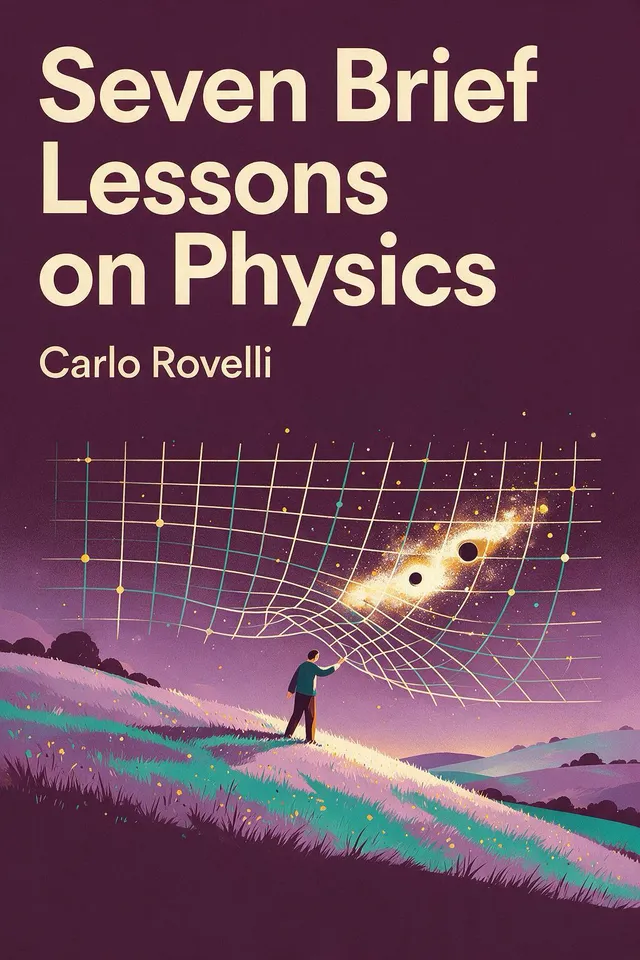
Seven Brief Lessons on Physics
An accessible tour of how modern physics unsettles ordinary ideas about space, time, matter, and the self. It asks what reality means when spacetime curves, quantum behavior is probabilistic, and time’s direction arises from heat and probability, then considers how consciousness, value, and curiosity fit within nature.

Shoe Dog
Shoe Dog follows Phil Knight from a Stanford paper about importing Japanese running shoes through Nike’s public debut and his later reckoning with the company’s cost. It asks how a fragile, debt-dependent venture survives unreliable partners, legal and regulatory threats, flawed products, and family strain—and what persistence, luck, trust, and judgment can teach about meaningful work.

Siddhartha
A young seeker moves through inherited religion, ascetic discipline, sensual and commercial life, love, loss, and work beside a river. The story asks whether wisdom can be transmitted as teaching or must be lived, and explores how attention and love can hold desire, suffering, and apparent opposites within a larger unity.
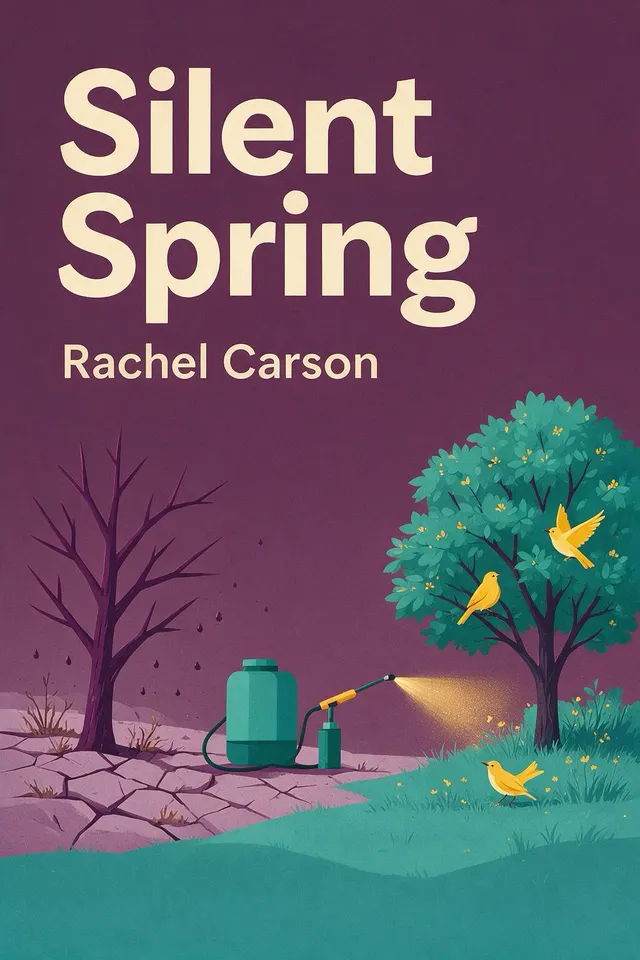
Silent Spring
Silent Spring examines what happens when modern societies use persistent chemicals to control pests without accounting for ecological interdependence. It asks whether short-term control justifies risks to water, soil, wildlife, human health, and future generations, and points toward selective, biological, and ecologically informed alternatives.
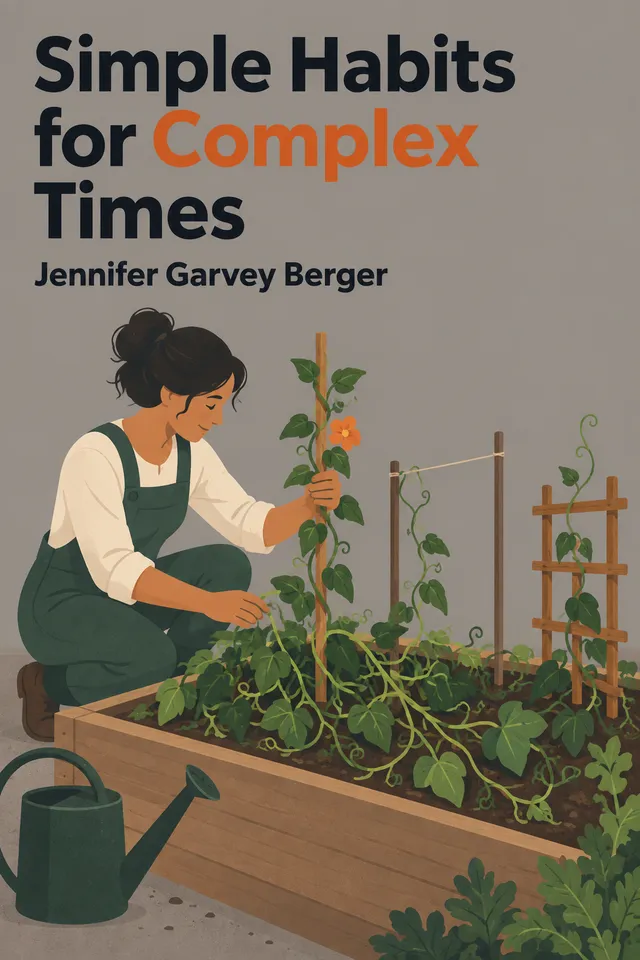
Simple Habits for Complex Times
When familiar solutions stop working, how can leaders move forward without pretending to know what comes next? Jennifer Garvey Berger explores how to read complex systems, ask better questions, exchange feedback, set direction with honest uncertainty, and build organizations where people learn through bounded experiments and grow their capacity to adapt.
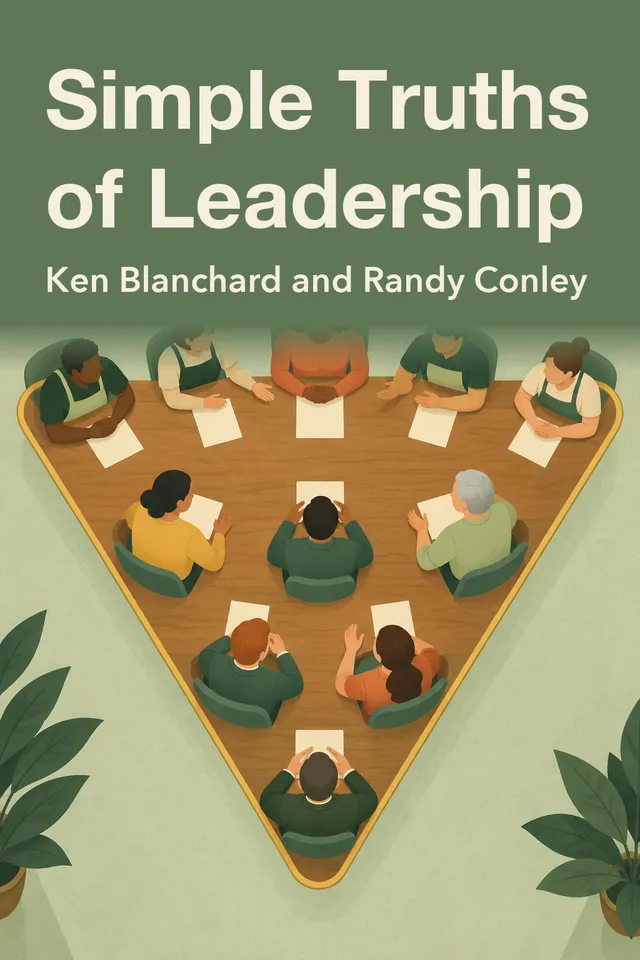
Simple Truths of Leadership
How can leaders achieve strong results while helping people thrive? Ken Blanchard and Randy Conley connect servant leadership with everyday trust. Their practical approach covers clear goals, adaptable coaching, honest communication, responsible autonomy, and repairing damaged relationships through accountability and forgiveness.

Sleep Drink Breathe
Michael Breus presents sleep, hydration, and breathing as everyday systems that shape one another. The book shows how to assess and troubleshoot each, then turns the framework into daily routines and a three-week plan, with guidance on when sleep or breathing problems warrant professional evaluation.
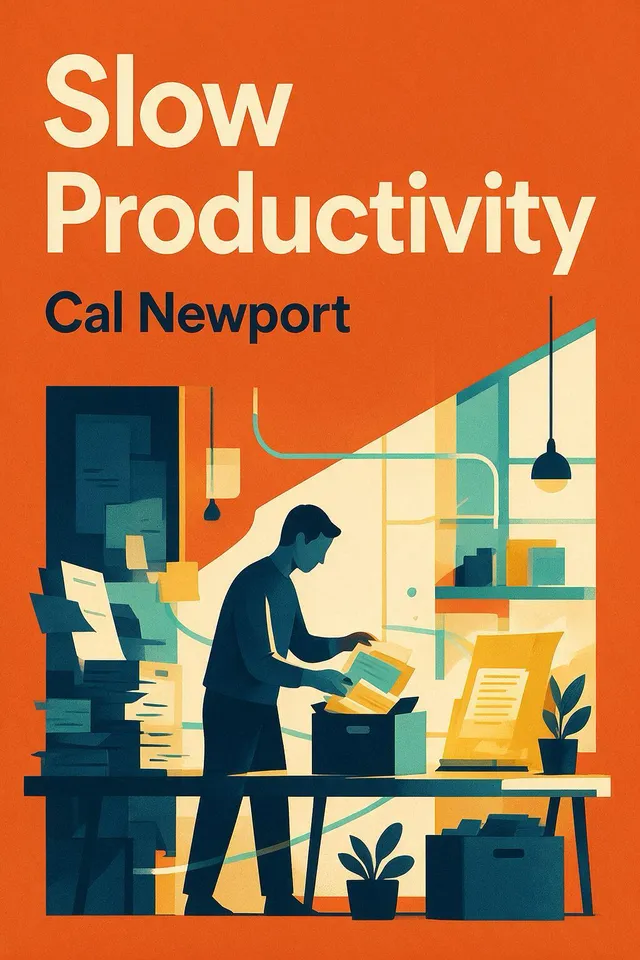
Slow Productivity
Slow Productivity examines why knowledge work turns visible busyness into a false measure of value, and asks how ambitious people can produce meaningful results without permanent overload. It develops three principles—do fewer things, work at a natural pace, and obsess over quality—then turns them into adaptable practices.
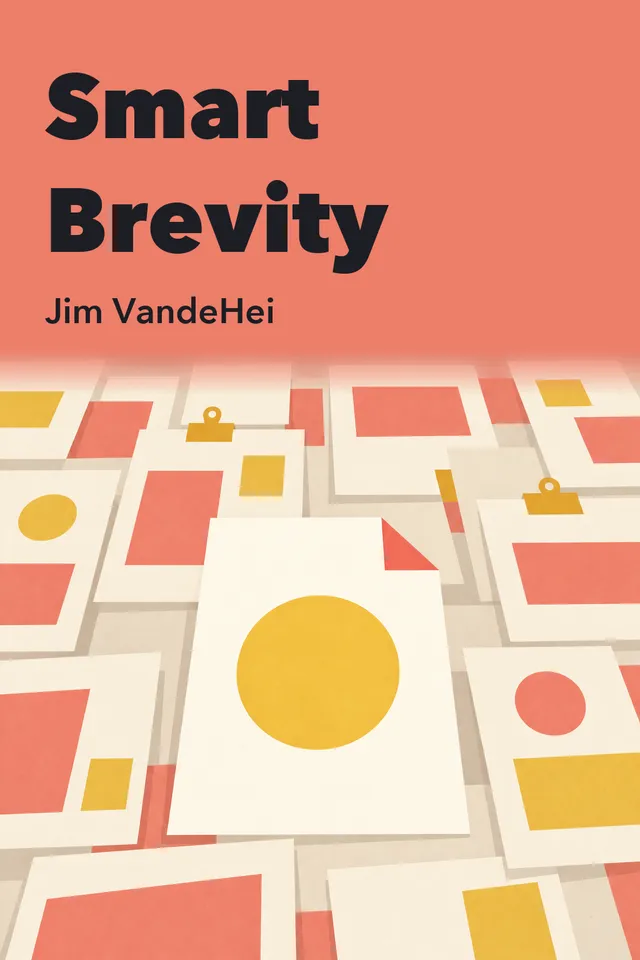
Smart Brevity
How can a message earn scarce attention without becoming shallow? Smart Brevity offers a reader-first method: identify the essential point, explain why it matters, and let people choose more detail. It applies that method to writing, newsletters, meetings, speeches, presentations, social posts, visual communication, and organizational leadership.
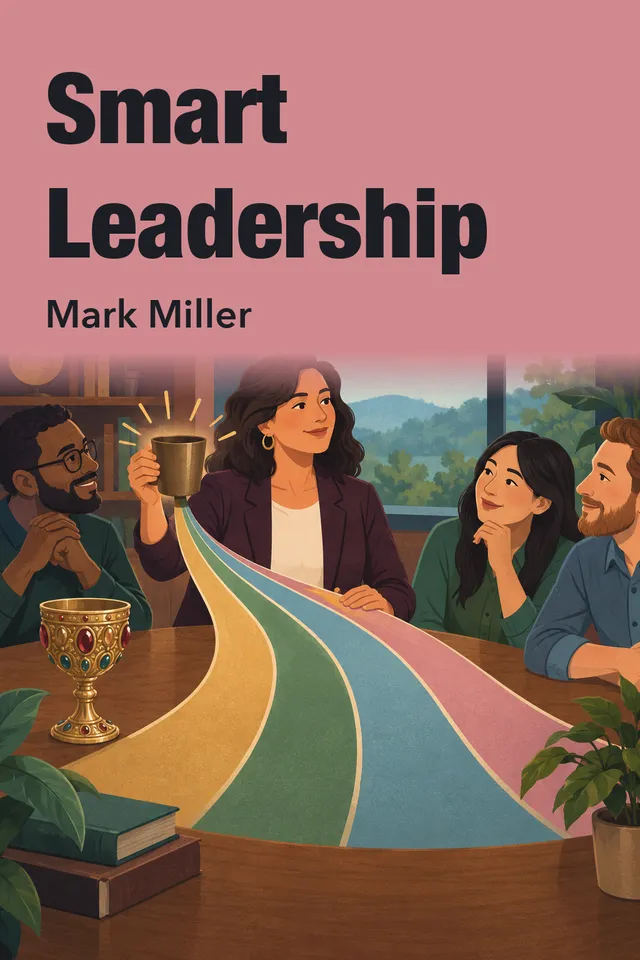
Smart Leadership
Smart Leadership asks how leaders can increase their impact amid pressure, limited capacity, and uncertainty. Mark Miller’s four choices—confront reality, grow capacity, fuel curiosity, and create change—organize practical methods for assessing oneself and a team, making room to think, learning widely, envisioning a better future, and turning it into action.

Smart Money Smart Kids
Smart Money Smart Kids asks how parents can equip children to manage money and what family habits shape that ability. It follows lessons in earning, spending, saving, giving, budgeting, debt, and college planning into questions of contentment, family responsibility, and passing wealth on.
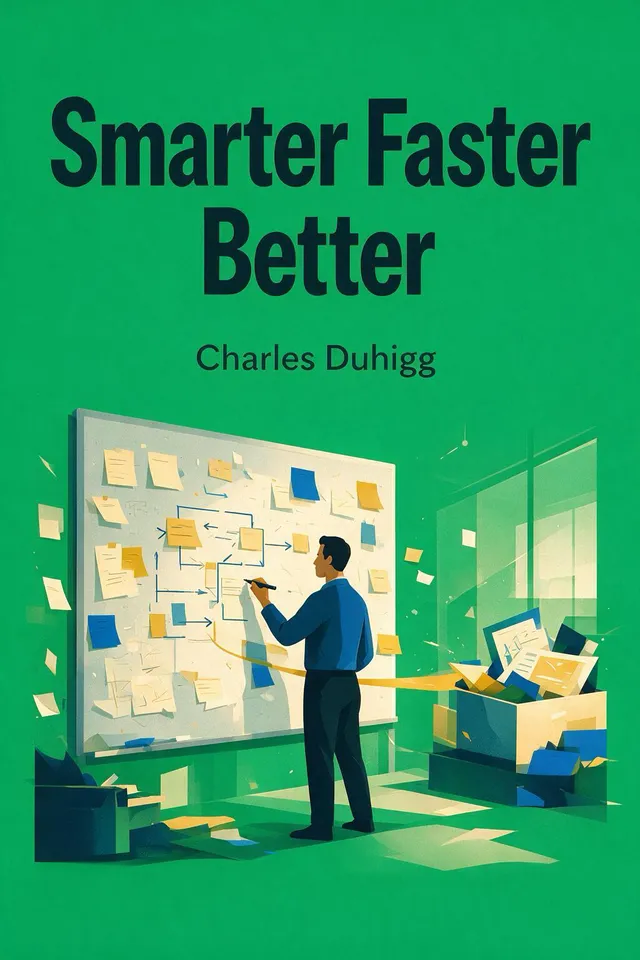
Smarter Faster Better
Smarter Faster Better asks how people and organizations can achieve meaningful results without equating productivity with busyness or sacrifice. Through cases in motivation, teamwork, focus, goals, management, decisions, innovation, and data use, it shows how choice, mental models, trust, uncertainty, creative recombination, and active learning shape better work and life.