Books worth understanding, not just finishing.
Explore 475 carefully structured nonfiction summaries. Start with the central argument, keep the useful ideas, then decide what deserves a full read.
All book summaries

Wild
Wild follows Cheryl Strayed’s solo walk from the Mojave Desert toward the Bridge of the Gods after her mother’s death, heroin use, and divorce. It asks how a scattered life can be inhabited again, tracing wilderness, bodily endurance, strangers, memory, and writing as imperfect routes through grief toward renewed belonging.
Will
Will Smith’s memoir asks how a fearful child who learned to survive through performance became a global entertainer—and why achievement failed to settle the fears beneath that identity. It traces family, hip-hop, Hollywood, collapse, fatherhood, therapy, surrender, and love as changing answers to that question.
Working Backwards
Working Backwards asks how Amazon could preserve customer obsession, long-term judgment, and invention as it scaled. It explains the mechanisms behind that effort—hiring, autonomous teams, narratives, PR/FAQs, and input metrics—then tests them through Kindle, Prime, digital video, and AWS, offering a practical way to connect principles with daily decisions.
You Are a Badass
You Are a Badass examines how inherited beliefs, fear, self-judgment, and other people’s expectations can narrow a life, then asks how deliberate choice, self-love, purposeful action, spiritual faith, and surrender might widen it. Its practical value is a framework for turning vague desire into experiments, commitments, and resilient behavior.
You Can Heal Your Life
Louise L. Hay’s You Can Heal Your Life asks how habitual beliefs, self-judgment, and unresolved emotion shape health, relationships, work, prosperity, and everyday experience. It presents self-love, forgiveness, affirmations, and repeated attention as practices for changing those patterns, while noting the limits of its personal mind-body framework.
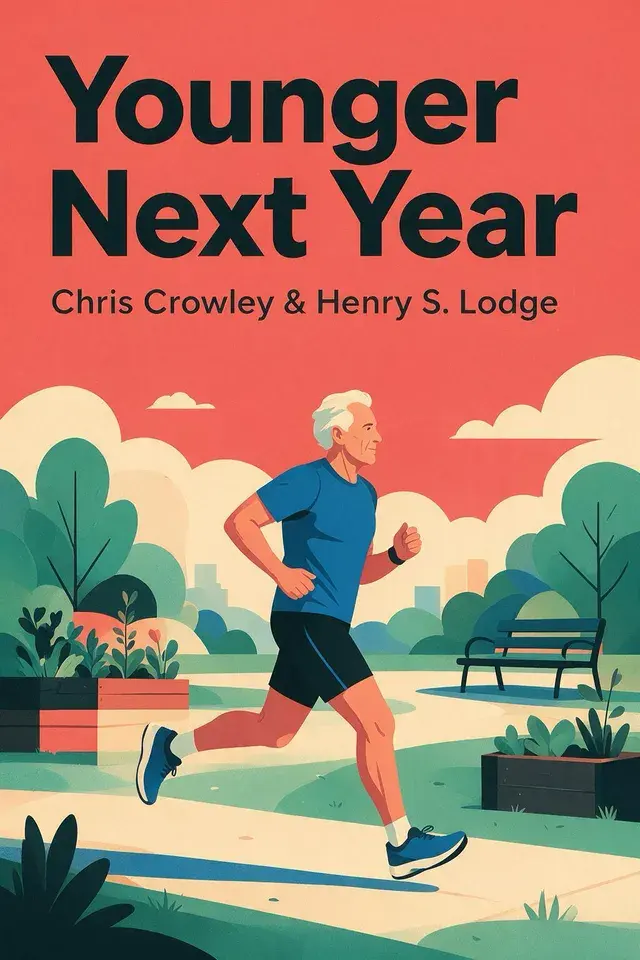
Younger Next Year
Younger Next Year asks whether the decades after menopause must mean decline. It argues that much functional decay is lifestyle-sensitive, then connects exercise, strength, food, money, menopause, relationships, purpose, and play into a practical philosophy for staying capable and engaged in later life.
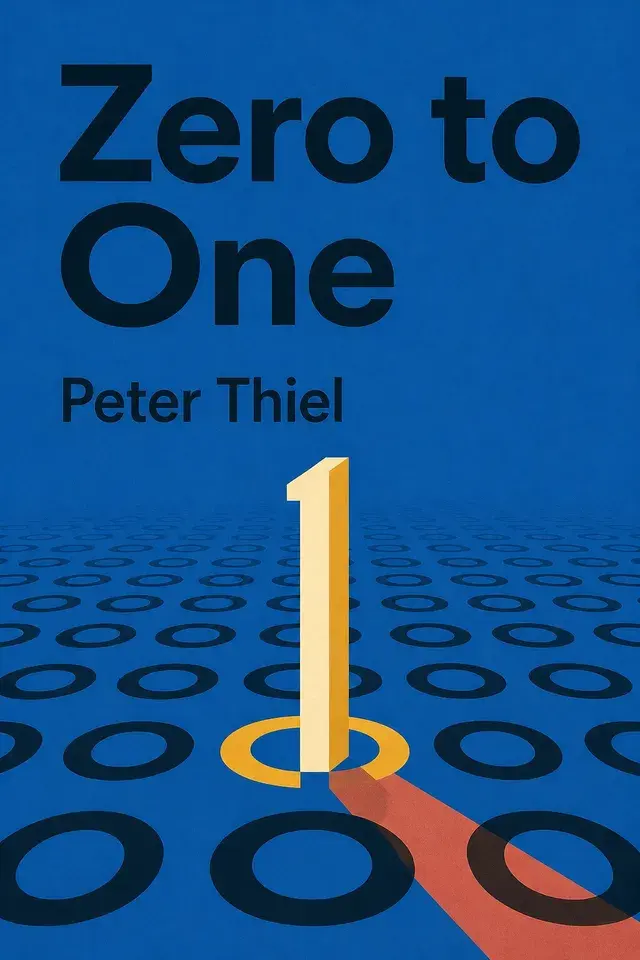
Zero to One
Zero to One asks how people can create genuinely new technology and durable businesses instead of copying what already exists. It connects contrarian thinking, monopoly, long-term planning, secrets, team design, distribution, and human–computer complementarity, then asks how deliberate creation can make the future better.