Books worth understanding, not just finishing.
Explore 475 carefully structured nonfiction summaries. Start with the central argument, keep the useful ideas, then decide what deserves a full read.
All book summaries
Tribe of Mentors
Tribe of Mentors asks how to make better choices and build a meaningful life when certainty and inherited rules fall short. Through recurring questions answered by diverse mentors, it offers practical ways to act, learn from failure, protect attention and health, choose work and relationships, and test advice against personal circumstances.
Trillion Dollar Coach
Trillion Dollar Coach examines how Bill Campbell helped ambitious teams turn talent, ego, and conflict into shared success. Its central question is how managers earn real leadership: through trust, coaching, team-first decisions, candid feedback, human care, and high standards. The value is a practical framework for humane, decisive teamwork.
Truman
Truman follows a Missouri farm boy through family hardship, World War I, machine politics, Senate oversight, and an unexpected presidency. It asks how an ordinary, flawed man made decisions about atomic war, the Cold War, Korea, and civil rights—and offers a framework for judging leadership when duty, uncertainty, and loyalty collide.

Tuesdays with Morrie
When Mitch Albom returns to his dying former professor Morrie Schwartz, their Tuesday meetings become a course on the meaning of life. The book asks whether love, attention, family, and responsibility can displace status and fear, offering a lived framework for facing dependence, grief, aging, forgiveness, and death.
Ultralearning
Ultralearning asks how people can acquire difficult skills through intense, self-directed projects rather than passive study alone. It examines how to map a goal, focus attention, practice in context, retrieve and retain knowledge, build intuition, use feedback, and experiment—then shows how to evaluate, maintain, or extend what a project teaches.
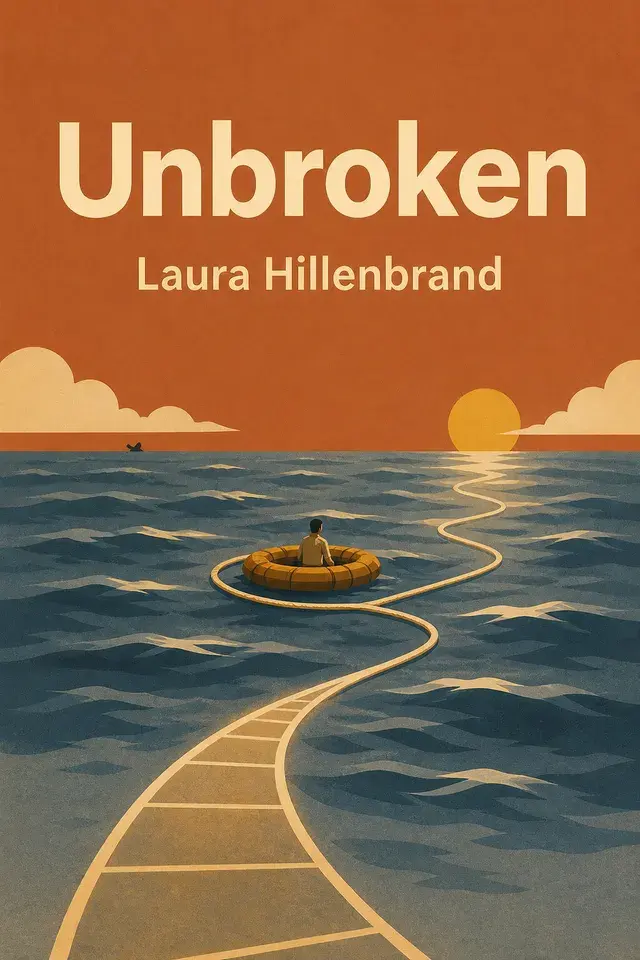
Unbroken
Unbroken follows Olympic runner Louie Zamperini from a rebellious California childhood through athletic triumph, Pacific air combat, a catastrophic crash, forty-seven days adrift, Japanese captivity, and a difficult return home. It asks how dignity survives organized violence and studies how trauma, memory, and revenge can be transformed into freedom and forgiveness.

Unlimited Power
Unlimited Power asks how personal power becomes usable: can people learn to direct states, beliefs, physiology, strategies, and communication toward chosen results? It traces a practical arc from modeling and precise goals to rapport, values, persuasion, and contribution, emphasizing feedback, flexibility, and responsible action.
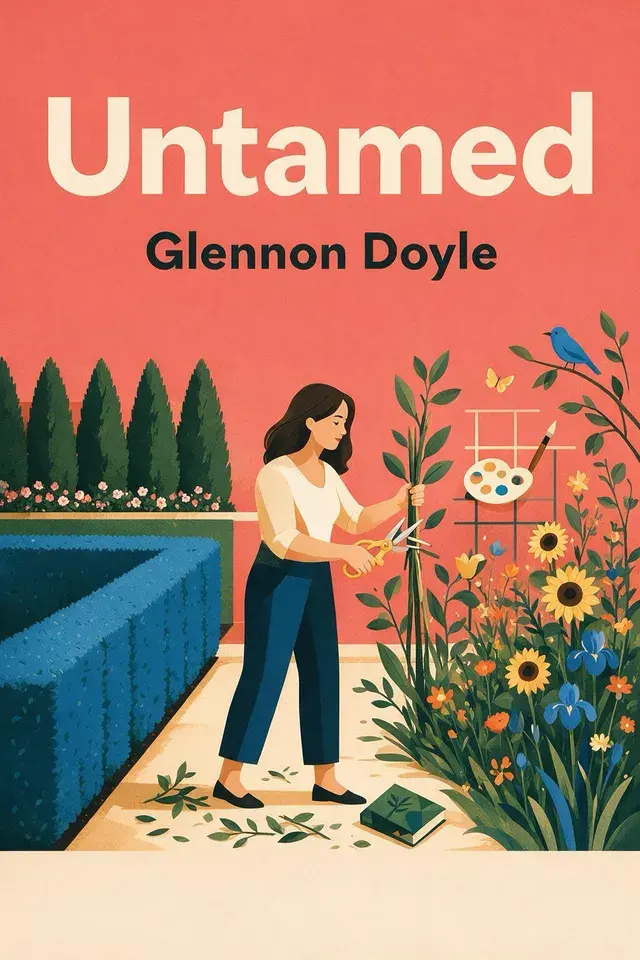
Untamed
Untamed asks how people learn to mistake conformity, approval, and inherited roles for freedom—and how they can recover a self-directed life. Glennon Doyle connects emotional honesty, inner Knowing, imagination, truthful relationships, parenting, justice, and mental-health care into a framework for living with integrity while staying connected to others.
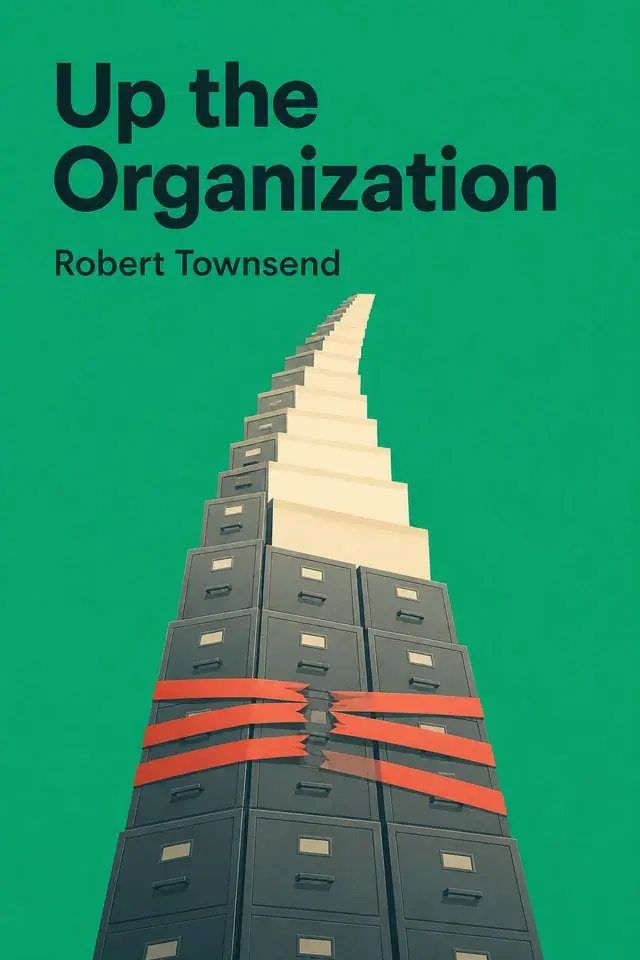
Up the Organization
Up the Organization examines how leaders can replace control, status, and bureaucracy with trust, accountability, direct communication, and shared ownership. Its central question is how organizations can release human capability without losing performance. The practical value is a framework for diagnosing obstacles and redesigning work around people.

Walden
Walden asks what a human life can become when inherited burdens, public opinion, and unnecessary consumption are tested against basic needs. Thoreau answers through a temporary cabin experiment, close attention to nature, and inward exploration, offering practical methods for freedom alongside tensions that resist simple imitation.
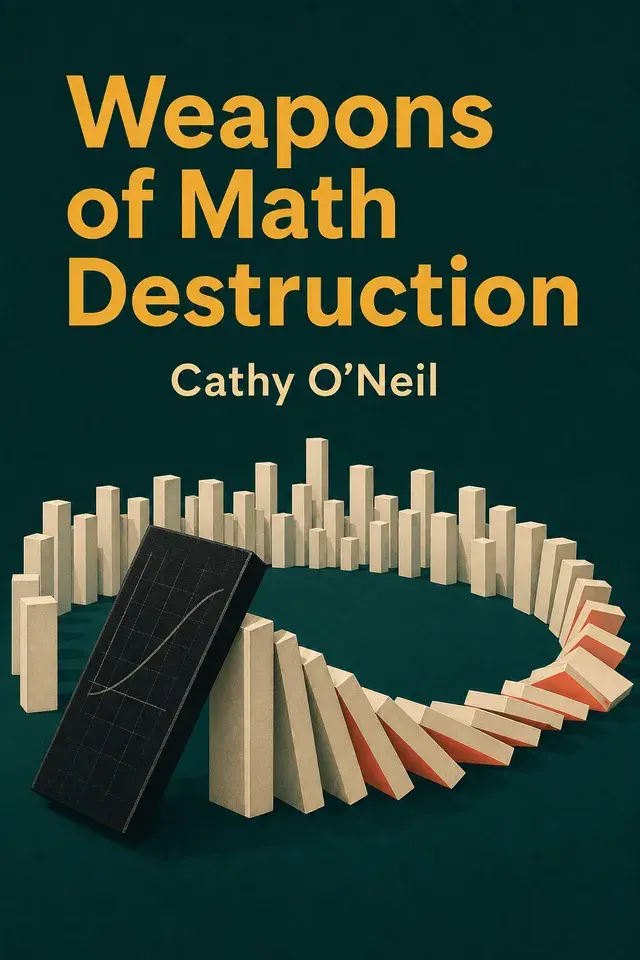
Weapons of Math Destruction
Weapons of Math Destruction examines how opaque models turn partial data and narrow goals into decisions about education, work, credit, policing, insurance, and politics. It asks when prediction becomes harm, and shows how feedback loops, secrecy, and weak accountability reproduce inequality—while transparency, contestability, and human judgment can redirect models toward public benefit.
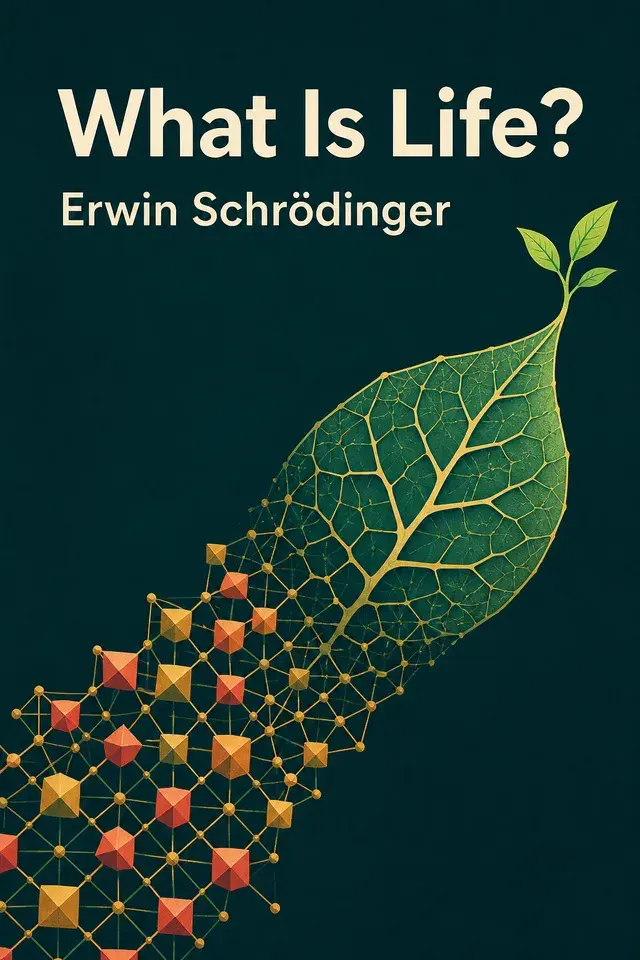
What Is Life?
Erwin Schrödinger asks how life preserves inherited form, changes across generations, and remains organized instead of approaching equilibrium. By connecting statistical physics and thermodynamics with chromosomes and genes, he develops a physical framework for understanding biological order as something both drawn from the environment and transmitted through molecular structure.
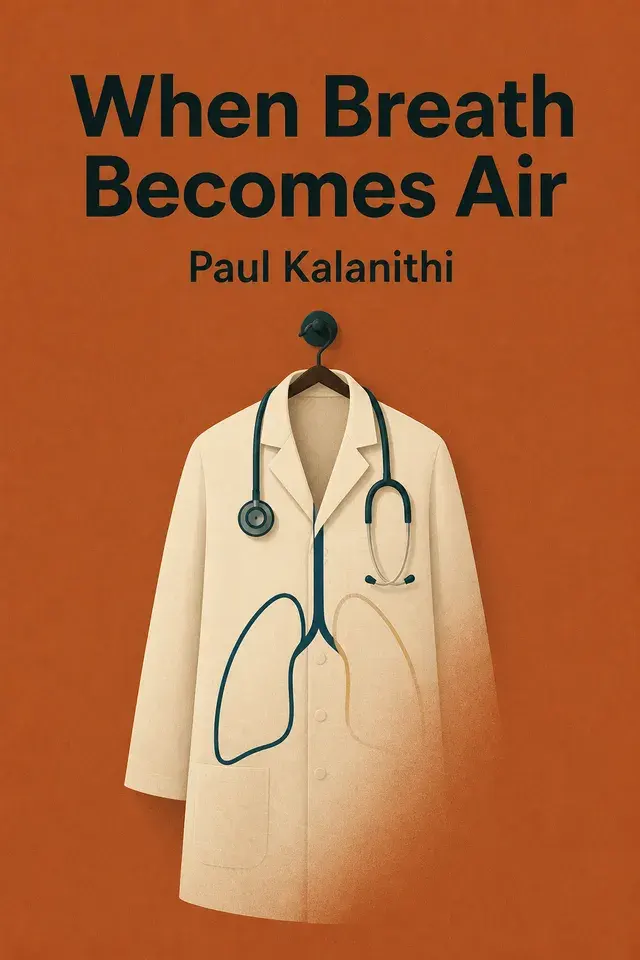
When Breath Becomes Air
Paul Kalanithi’s memoir follows a neurosurgeon who becomes a lung-cancer patient just as his career and marriage seem to be taking shape. It asks how to live, love, and practice medicine under a finite future, using family, literature, faith, and clinical experience to examine what makes a life meaningful.
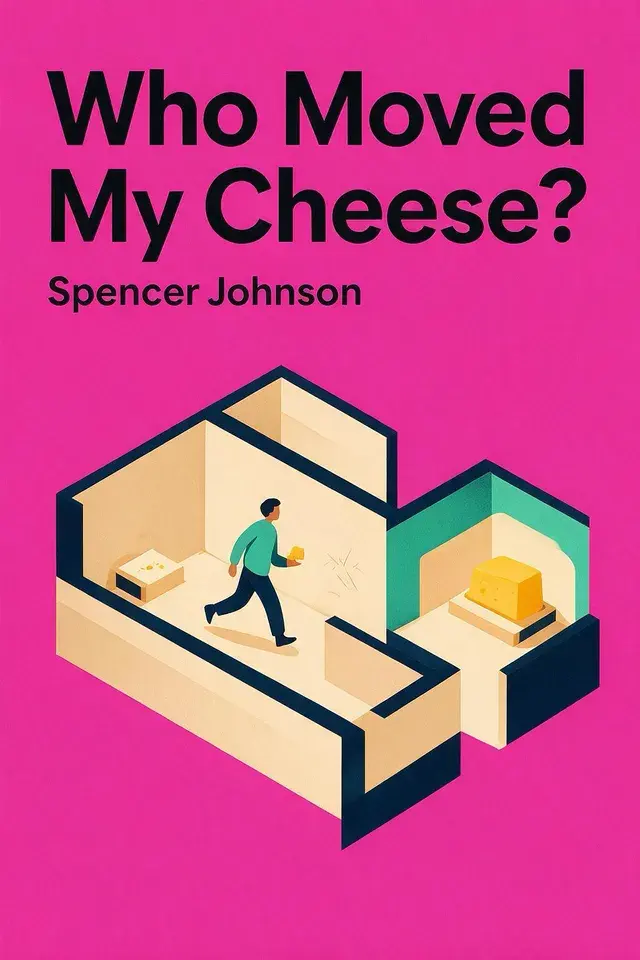
Who Moved My Cheese?
Who Moved My Cheese? uses a fable about four characters in a maze to ask how people respond when a source of happiness or security changes. It distinguishes noticing signals, managing fear, and moving toward new possibilities from denial and attachment, then applies those lessons to work and personal life.
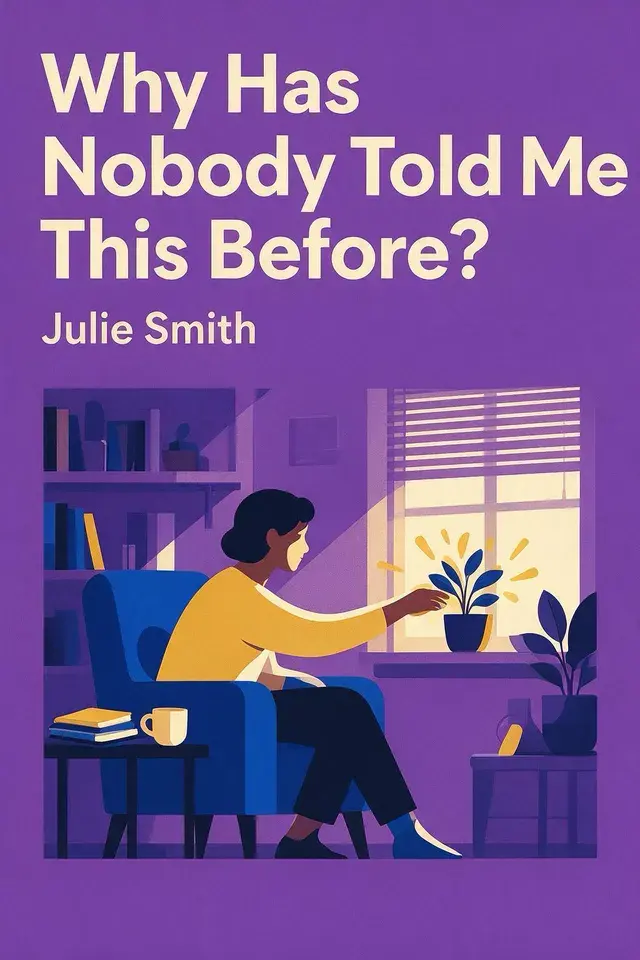
Why Has Nobody Told Me This Before?
Julie Smith’s practical guide asks how we can respond to low mood, anxiety, stress, grief, self-doubt, and difficult relationships without demanding constant happiness. It explains how body, thoughts, attention, habits, and context shape experience, then offers compassionate, values-based practices for steadier choices and a meaningful life.
Why Nations Fail
Why do societies with similar geography and history become rich, poor, or trapped in coercion? Why Nations Fail argues that political power shapes economic institutions, incentives, and innovation. Its historical comparisons clarify persistent inequality and show why broad coalitions, accountable institutions, and empowered citizens matter for durable prosperity.
Why We Get Fat
Why We Get Fat asks whether obesity is a failure of calorie balance or a disorder of fat regulation. Gary Taubes develops a carbohydrate-and-insulin explanation, tests it against historical, physiological, and clinical evidence, and considers what carbohydrate restriction might mean in practice, including its uncertainties and cautions.
Why We Sleep
Why We Sleep examines what sleep does, how circadian timing and accumulating sleep pressure organize it, and what happens when modern life fragments it. It connects sleep with memory, emotion, health, development, and dreaming, then considers practical and institutional changes that could restore sleep’s place in daily life.