Books worth understanding, not just finishing.
Explore 475 carefully structured nonfiction summaries. Start with the central argument, keep the useful ideas, then decide what deserves a full read.
All book summaries
An Immense World
How can the same physical world become radically different to different animals? An Immense World examines smell, light, color, pain, heat, touch, vibration, sound, echolocation, electricity, magnetism, and multisensory integration, then asks how human light and noise reshape those perceptual habitats. Its value is a more careful, less human-centered understanding of other species.

Angela's Ashes
Angela’s Ashes traces Frank’s childhood from Depression-era Brooklyn to poverty-stricken Limerick, following bereavement, Catholic schooling, illness, precarious work, and emigration. Its central question is how a child builds moral and imaginative freedom inside family breakdown and institutional authority; its value lies in showing literacy, memory, humor, and solidarity without softening material harm.

Antifragile
Taleb’s Antifragile asks why some people, organisms, institutions, and ideas improve under stress, uncertainty, and disorder while others break. Taleb argues that rare consequential events resist reliable prediction, so the useful response is to redesign exposure through optionality, subtraction, bounded downside, and skin in the game.

Anything You Want
Derek Sivers’s account of building CD Baby asks what a business is for when money, scale, and status compete with happiness and usefulness. It follows a practical path from small customer-led experiments to human service, honest promises, delegation, and a deliberately chosen business shape.
Astrophysics for People in a Hurry
This concise tour follows the universe from its hot beginnings through the making of elements, hidden dark matter and dark energy, stars, planets, and the search for distant life. It asks how we know what cannot be seen—and what a cosmic perspective changes about human identity and responsibility.

Atlas of the Heart
Atlas of the Heart asks how naming and distinguishing emotions changes the way we understand ourselves and connect with others. It maps experiences from anxiety, comparison, and grief to shame, belonging, love, joy, anger, and humility, offering language for wiser choices, boundaries, compassion, and repair.
Atomic Habits
Atomic Habits explains how tiny repeated behaviors can produce outsized long-term results, while goals alone do not create progress. It asks how identity, environment, social context, friction, rewards, and review can be arranged so good habits become easier to repeat and bad habits easier to interrupt.

Attached
Attached explains how adult attachment shapes romantic expectations, pursuit, withdrawal, and conflict. It asks how people can recognize their own and a partner’s needs, distinguish security from emotional volatility, communicate directly, and decide whether to repair, renegotiate, or leave a relationship. Its value is a practical framework for clearer choices and more secure bonds.
Authentic Happiness
Authentic Happiness asks what makes well-being durable rather than momentary. It follows positive psychology’s expansion beyond illness toward the study of strengths, then examines gratitude, optimism, pleasure, flow, love, work, and parenting. Its practical value is a framework for using personal strengths in ordinary life and connecting them to meaning beyond the self.

Autobiography of a Yogi
Autobiography of a Yogi follows Mukunda from a devotional childhood through the search for a realized guru, disciplined Kriya practice, encounters with saints, and a mission of education and service. It asks how direct spiritual realization can loosen attachment, guide ordinary responsibility, and help East and West meet without abandoning their distinct strengths.

Awaken the Giant Within
Awaken the Giant Within asks how people can change the patterns that shape their emotions, choices, and destiny. It links decisions, pain-and-pleasure associations, beliefs, language, values, identity, and conditioning to practical work in health, relationships, money, time, and contribution, offering a framework for turning insight into repeated action.

Bad Blood
Bad Blood follows Theranos from Elizabeth Holmes’s promise of painless, small-sample blood testing to its collapse under technical failures, secrecy, intimidation, and investigative scrutiny. It asks how a persuasive mission and prestigious backing displaced verification—and why medical technology demands stronger evidence than ordinary startup hype.
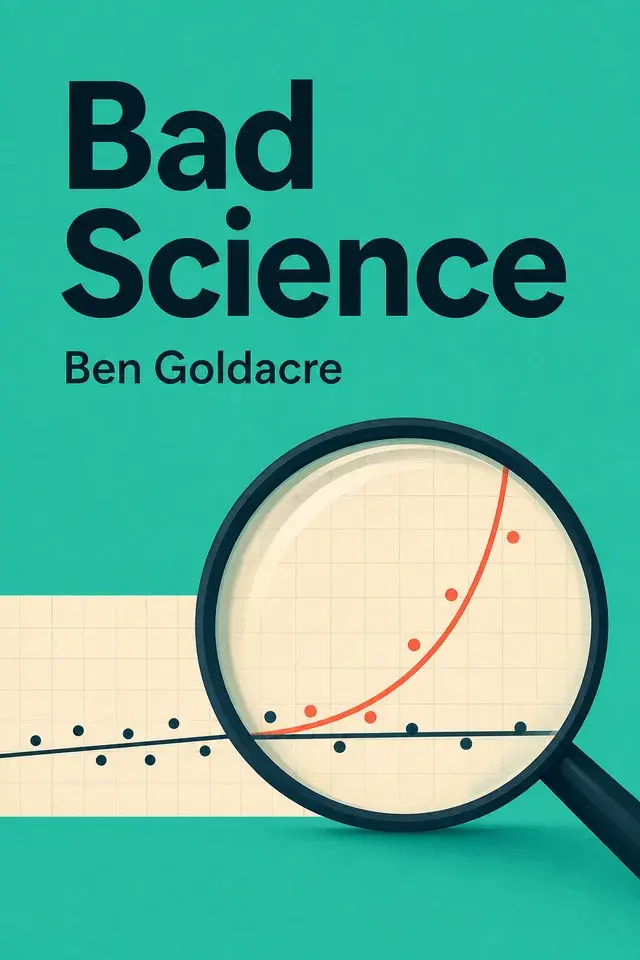
Bad Science
Bad Science examines how plausible stories, credentials, commercial incentives, weak trials, statistical errors, and sensational reporting turn uncertainty into medical certainty. It asks how to tell whether a treatment works, what placebos mean, and what is lost when evidence is distorted.
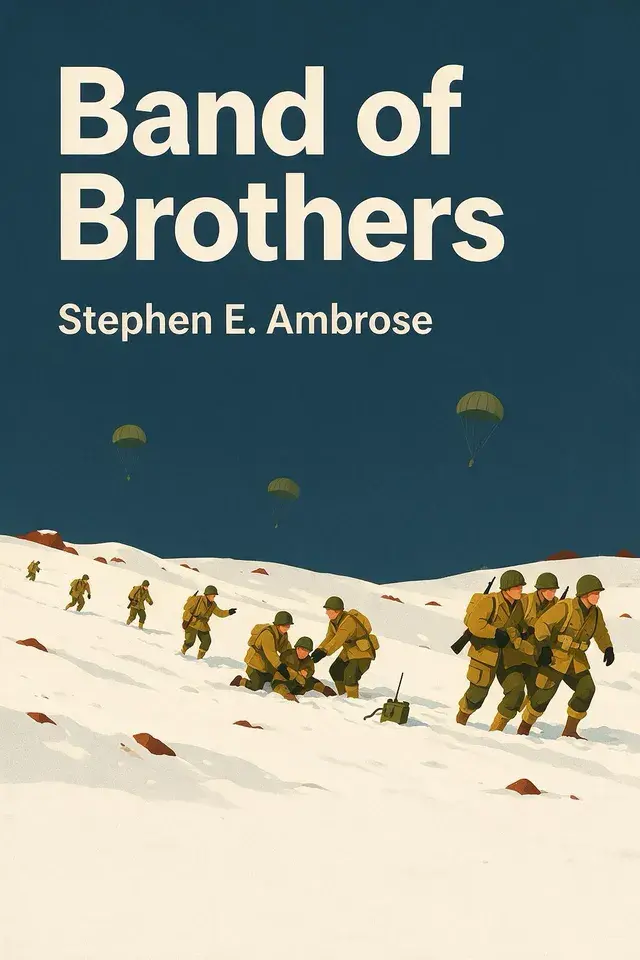
Band of Brothers
Band of Brothers follows Easy Company from citizen-soldier training and airborne qualification through Normandy, Holland, and Bastogne. Its central question is how discipline, leadership, and comradeship become combat capability—and where they fail against chance, attrition, coordination problems, and strategic error. The value is a grounded study of combat psychology, tactics, and memory.

Becoming
Michelle Obama’s memoir follows her from a Chicago childhood and demanding education through marriage, motherhood, campaigns, the White House, and life after office. It asks how identity remains open to change when love, race, institutions, loss, and public scrutiny intervene—and what disciplined, collective action can make that growth useful.
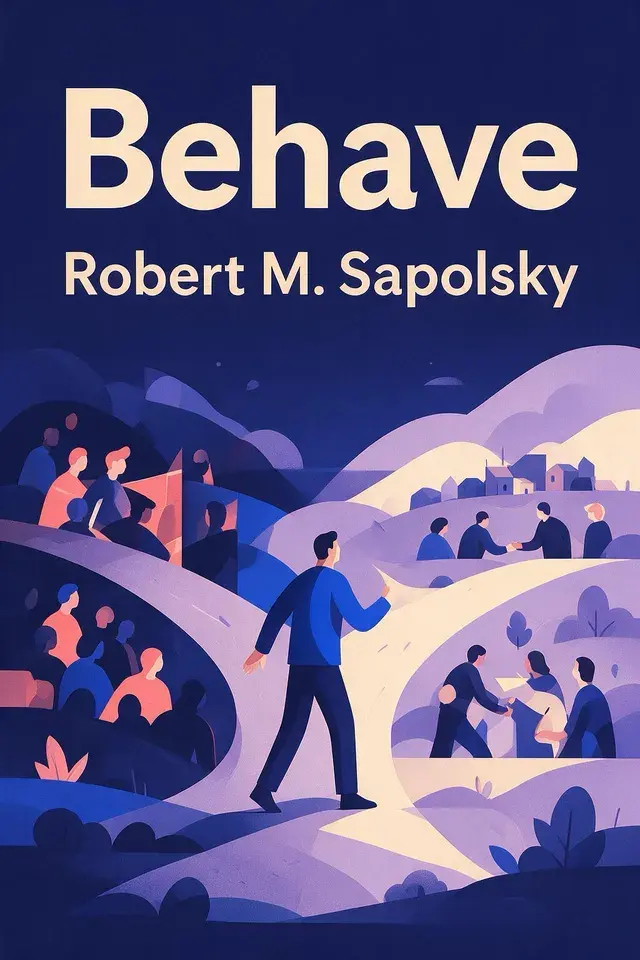
Behave
Why do humans act as they do? Robert M. Sapolsky follows behavior from neural circuits and hormones through development, genes, culture, evolution, group identity, morality, and history. The central lesson is that conduct is multicausal and context-sensitive, clarifying both cruelty and cooperation while leaving room for change.

Being and Nothingness
Jean-Paul Sartre’s Being and Nothingness asks how consciousness can be free while embodied, situated, temporal, and exposed to other people. It distinguishes being-in-itself from the for-itself, then follows nothingness through bad faith, desire, action, responsibility, possession, and the unfinished problem of ethics.
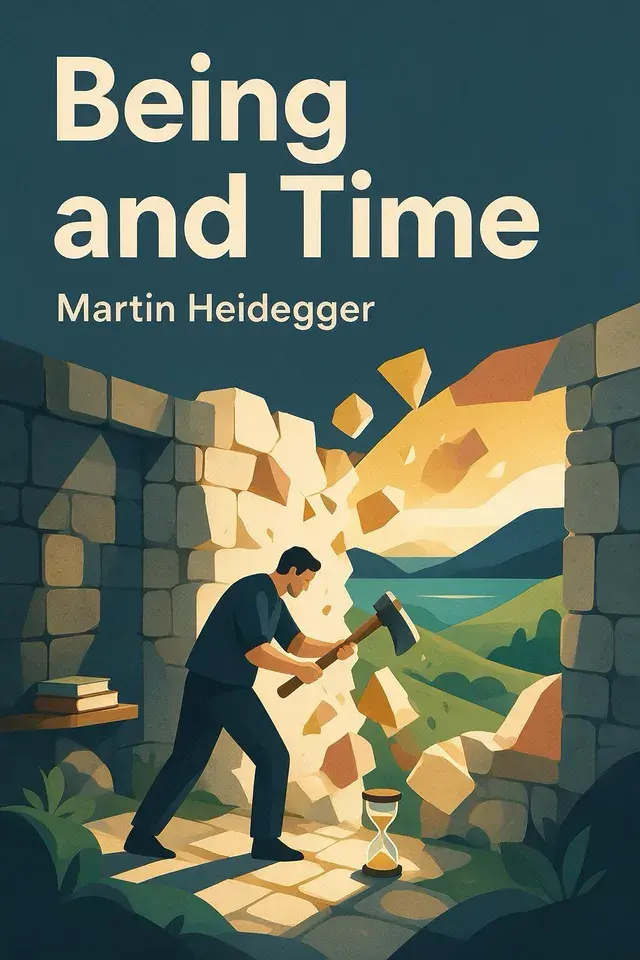
Being and Time
Martin Heidegger’s Being and Time asks how the meaning of Being can be recovered when inherited frameworks obscure it. This summary follows Dasein’s being-in-the-world, everydayness, anxiety, authenticity, language, and time, showing how human existence can disclose—and conceal—the world it inhabits.