Books worth understanding, not just finishing.
Explore 475 carefully structured nonfiction summaries. Start with the central argument, keep the useful ideas, then decide what deserves a full read.
All book summaries

Built to Last
Built to Last examines why some companies remain exceptional across generations while comparable organizations fade. Its central question is how an institution can preserve authentic values and purpose without becoming rigid. The answer links enduring identity to bold goals, experimentation, leadership development, continuous improvement, and aligned systems—useful for understanding and designing resilient organizations.
Bullshit Jobs
Bullshit Jobs asks why modern economies preserve paid work that employees regard as pointless, unnecessary, or harmful. Graeber maps its organizational forms, traces its psychological and political costs, explains how managerial power and work morality sustain it, and considers shorter hours and unconditional income as routes toward greater agency.

Burnout
Burnout asks why caring, striving, and helping can leave people depleted even after an immediate problem ends. It distinguishes external stressors from the body’s unfinished stress response, then links recovery to flexible persistence, meaning, structural awareness, body acceptance, reciprocal connection, rest, and self-compassion.
Bury My Heart at Wounded Knee
Dee Brown retells the conquest of the American West from the viewpoint of the Indigenous nations who endured it. The book asks how treaties, settlement, military force, resource extraction, and assimilation turned cooperation into dispossession, and what resistance, survival, and Wounded Knee reveal about historical memory.

Can't Hurt Me
David Goggins traces how childhood abuse, racism, fear, and self-deception shaped his life, then examines the practices he used to pursue military and endurance goals: radical accountability, deliberate discomfort, preparation, and honest learning from failure. The central question is how far disciplined self-mastery can expand agency without denying injury, health, or human cost.
Capital in the Twenty-First Century
How do growth, saving, inheritance, and public policy determine who owns wealth? This summary follows Piketty’s historical framework from measuring income and capital through global concentration and the social state, clarifying why returns above growth can renew inherited power and why democratic institutions matter.
Capitalism and Freedom
Capitalism and Freedom asks how a society can coordinate economic life without surrendering individual choice. Friedman links competitive markets to political liberty, then tests that relationship through money, trade, education, discrimination, monopoly, occupational licensing, taxation, welfare, and poverty relief. The result is a framework for judging when government protects freedom—and when it expands coercion.
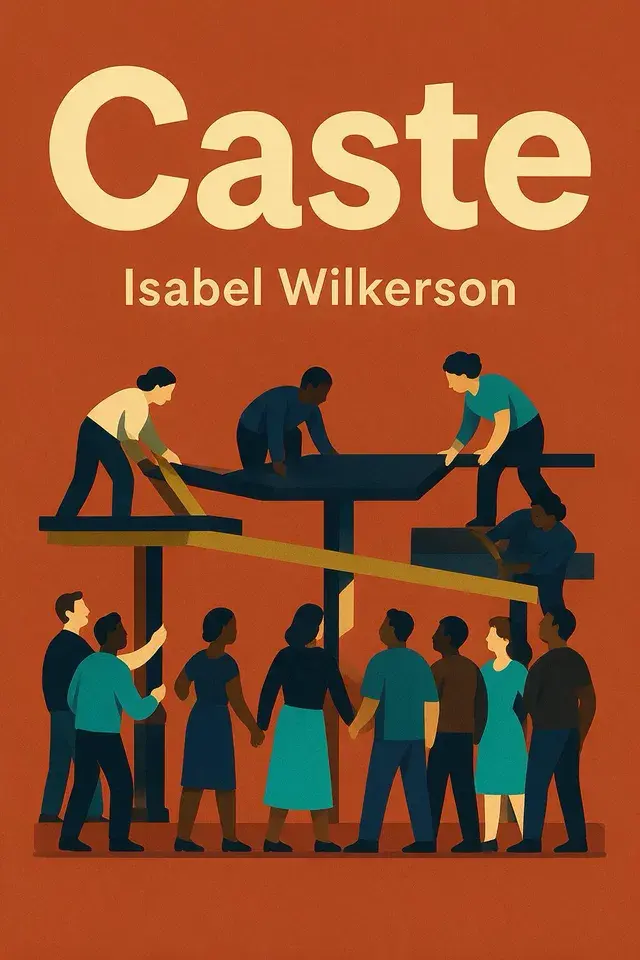
Caste
Caste examines how an inherited hierarchy hides beneath American racial categories, how slavery, law, segregation, and social habits made it durable, and why it survives formal change. It asks how rank shapes everyday treatment, health, politics, and memory—and what truth, empathy, solidarity, and institutional action could do to dismantle it.

Chaos
James Gleick’s Chaos asks how deterministic systems—from weather and turbulent fluids to populations, markets, hearts, and fractal forms—can become unpredictable without becoming random. It explains sensitivity to initial conditions, strange attractors, scaling, and self-organization, showing how this framework reshapes scientific thinking about patterns, prediction, and complex systems.

Chatter
Chatter examines why the mind talks to itself, when useful inner speech turns into repetitive distress, and how that spiral affects attention, performance, relationships, health, and well-being. It maps practical ways to regain perspective through self-distancing, better support, nature, expectations, rituals, and a flexible personal toolkit.
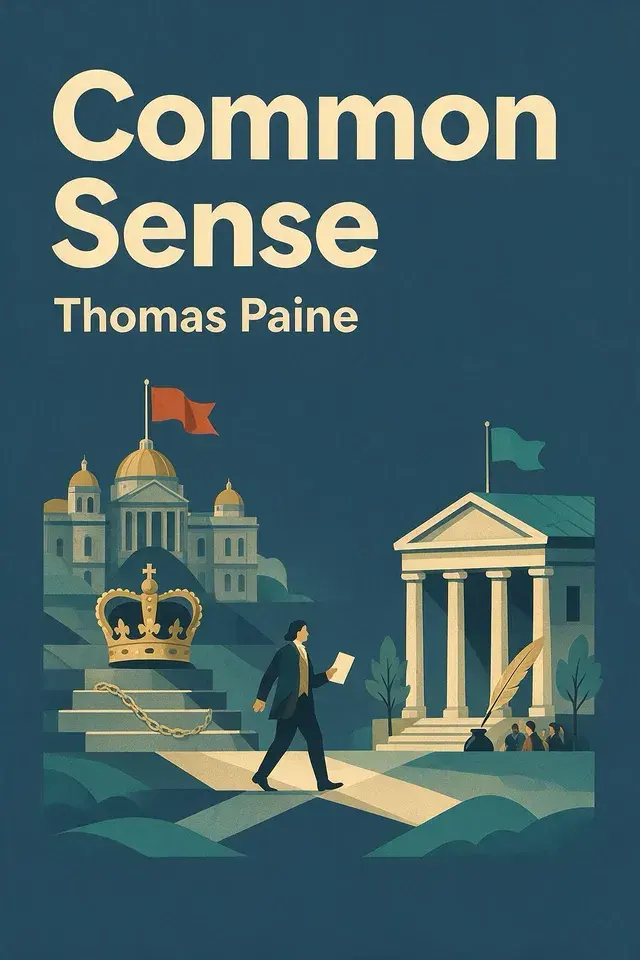
Common Sense
Thomas Paine’s Common Sense asks whether a people can remain free under a distant hereditary crown. It moves from the origins and limits of government to the case for American independence, a Continental constitution, and practical self-defense, offering a framework for judging authority by rights, accountability, and public welfare.
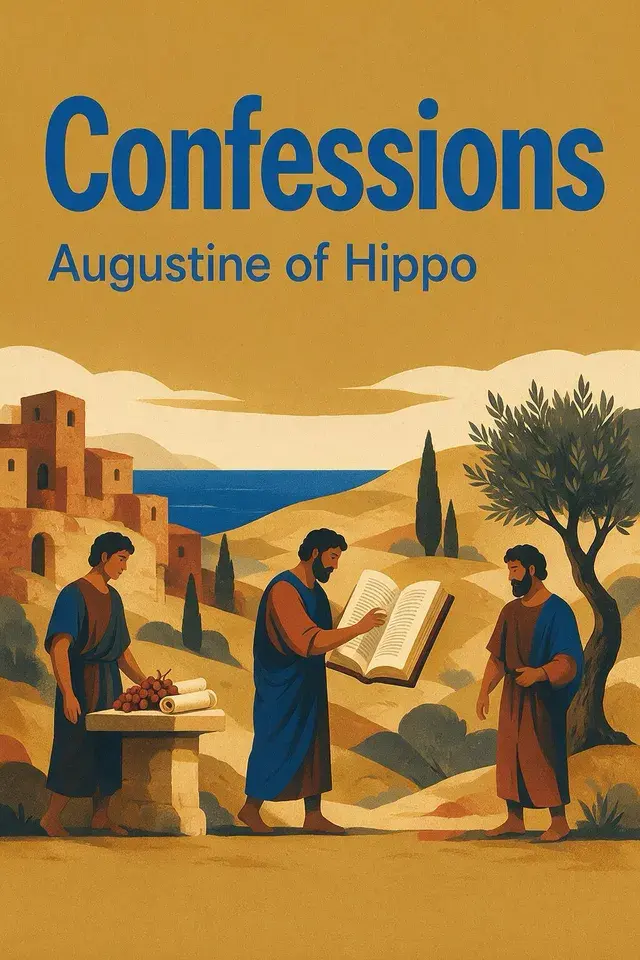
Confessions
Confessions follows Augustine from restless childhood, sexual and intellectual error, and attachment to mortal goods toward conversion, self-examination, and dependence on grace. It asks what makes a life truly happy and how a divided will returns to truth. Its intellectual value lies in joining autobiography to memory, time, creation, interpretation, and rest.
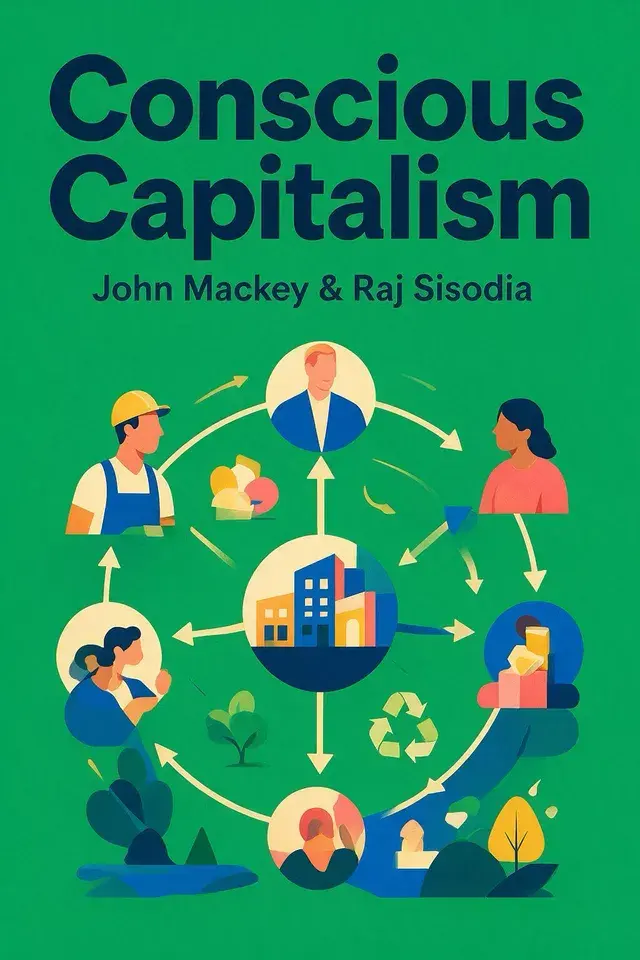
Conscious Capitalism
Conscious Capitalism asks how companies can remain profitable while serving the people and systems that sustain them. Its answer joins higher purpose, stakeholder integration, conscious leadership, and conscious culture and management into a practical account of trust, autonomy, responsibility, innovation, and long-term value creation.
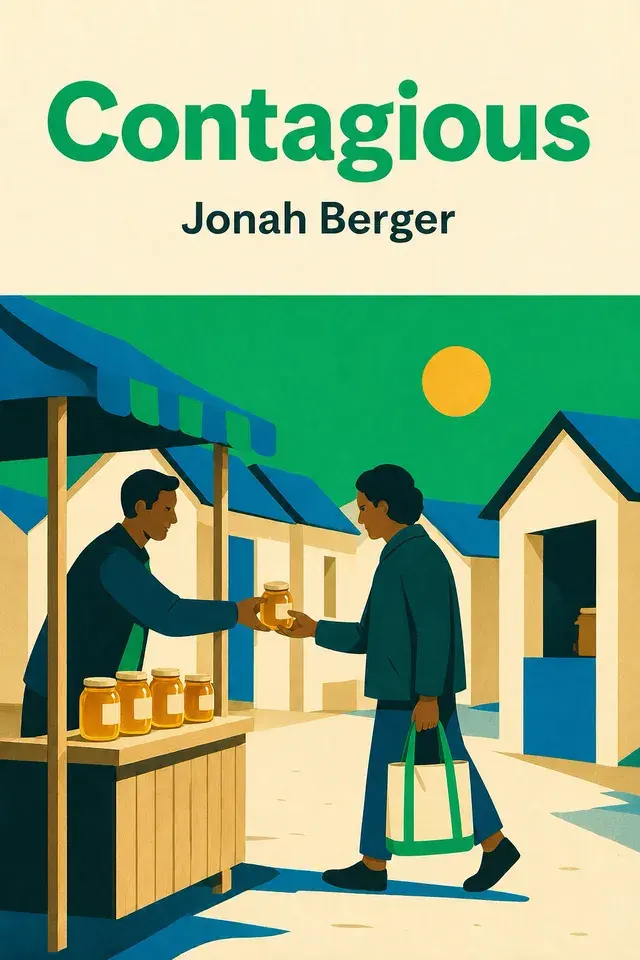
Contagious
Why do some products, ideas, and behaviors spread while similar ones disappear? Jonah Berger’s Contagious presents six principles—social currency, triggers, emotion, public visibility, practical value, and stories—and shows how they shape word of mouth, sustained attention, imitation, and useful action. The framework also clarifies why visibility, usefulness, or virality can misfire.

Cosmos
Cosmos traces how stars, planets, chemistry, life, intelligence, and civilization form one connected story. It asks how humans can know a universe that exceeds intuition—and how that knowledge should shape exploration, public reasoning, and the protection of Earth.
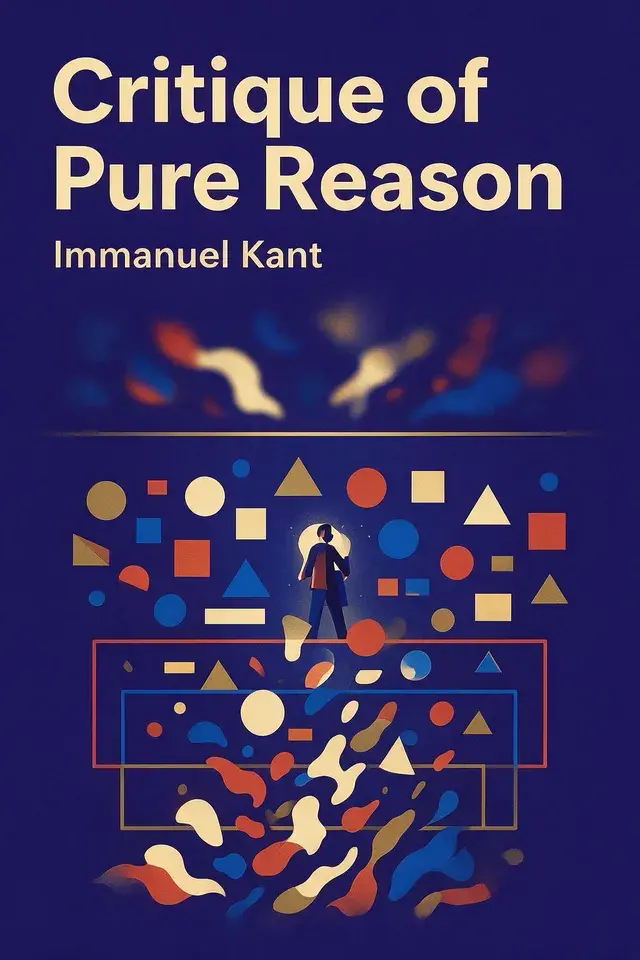
Critique of Pure Reason
Immanuel Kant’s Critique of Pure Reason asks how necessary knowledge is possible in mathematics, science, and experience, and where pure reason must stop. It explains space, time, categories, and experience, then examines the soul, world, and God while redirecting reason toward systematic inquiry and moral hope.
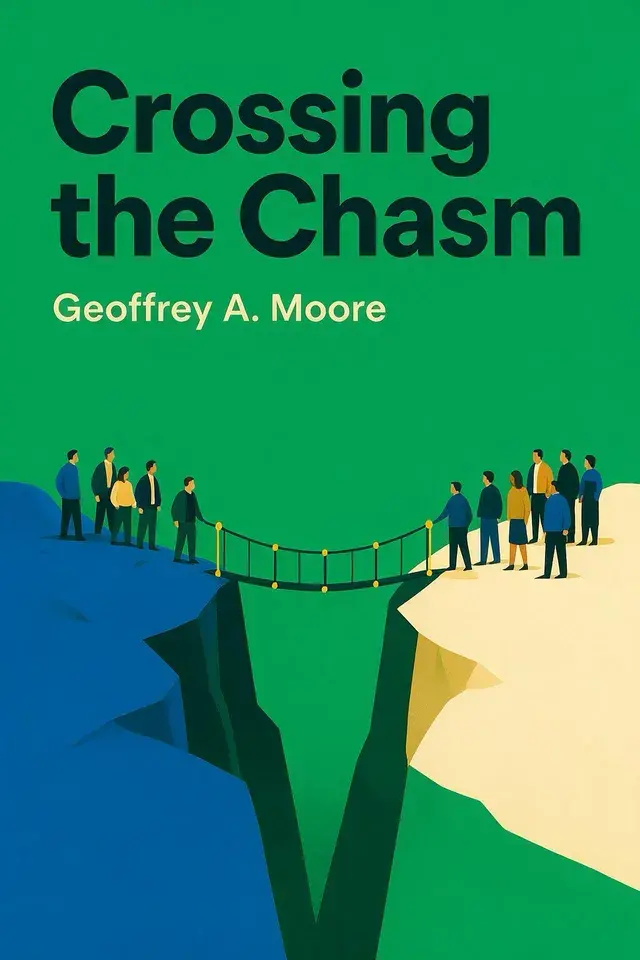
Crossing the Chasm
Crossing the Chasm explains why discontinuous innovations stall between visionary early adopters and pragmatic mainstream buyers. It asks how a company can win credible references, deliver the whole solution, position it for trust, and reorganize for durable growth—turning a memorable model into practical decisions.
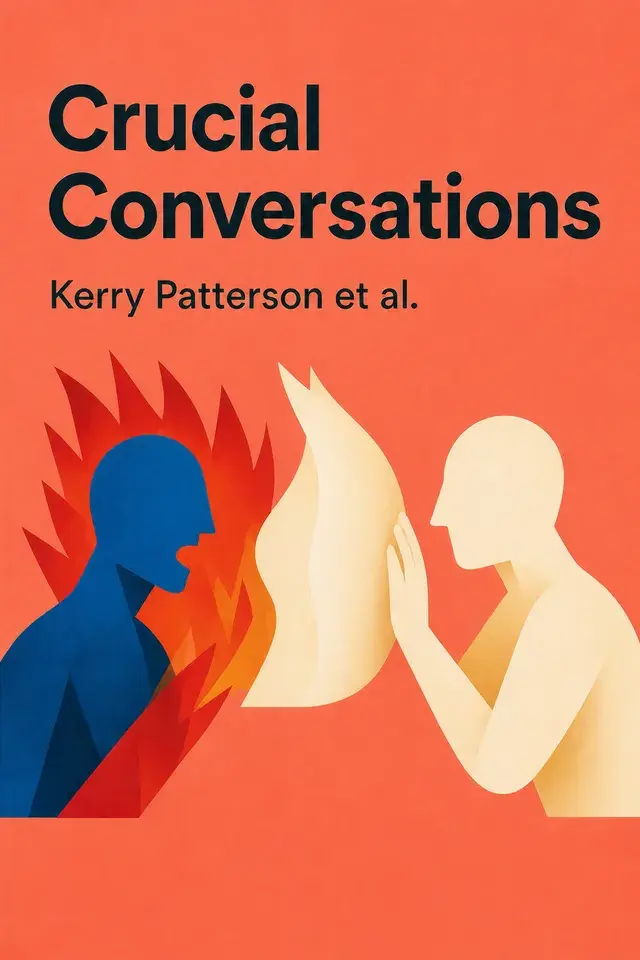
Crucial Conversations
Crucial Conversations asks how people can speak honestly and listen well when stakes are high, opinions differ, and emotions run strong. It explains how to restore safety, question the stories shaping our reactions, create shared meaning, make sound decisions, and turn difficult dialogue into accountable action.