Books worth understanding, not just finishing.
Explore 475 carefully structured nonfiction summaries. Start with the central argument, keep the useful ideas, then decide what deserves a full read.
All book summaries
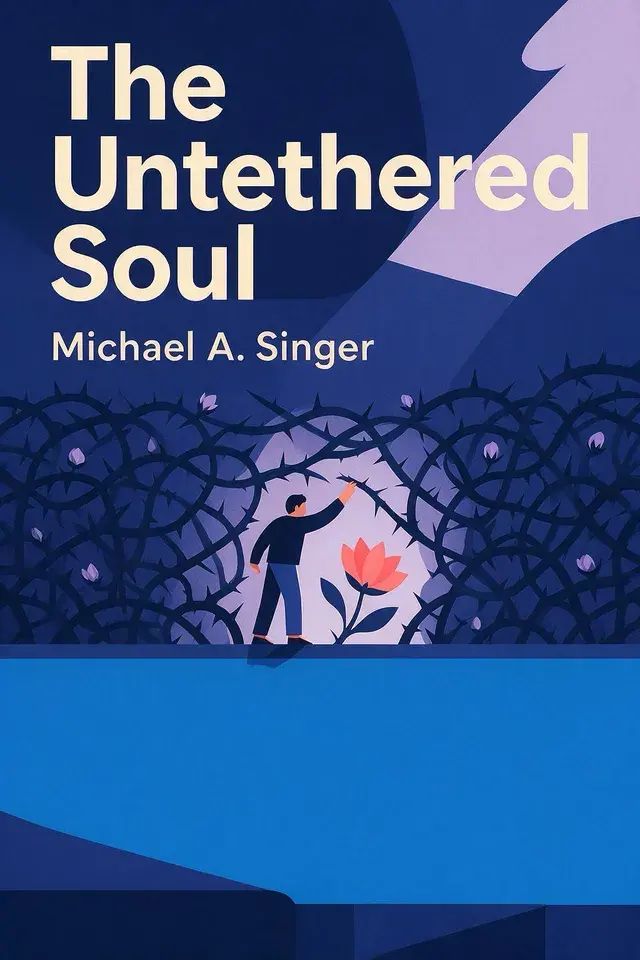
The Untethered Soul
The Untethered Soul examines the difference between consciousness and the thoughts, emotions, and protective patterns that shape ordinary experience. It asks who is aware beneath the inner voice, then follows practices of witnessing, letting go, nonresistance, and openness toward greater freedom, happiness, and spiritual love.
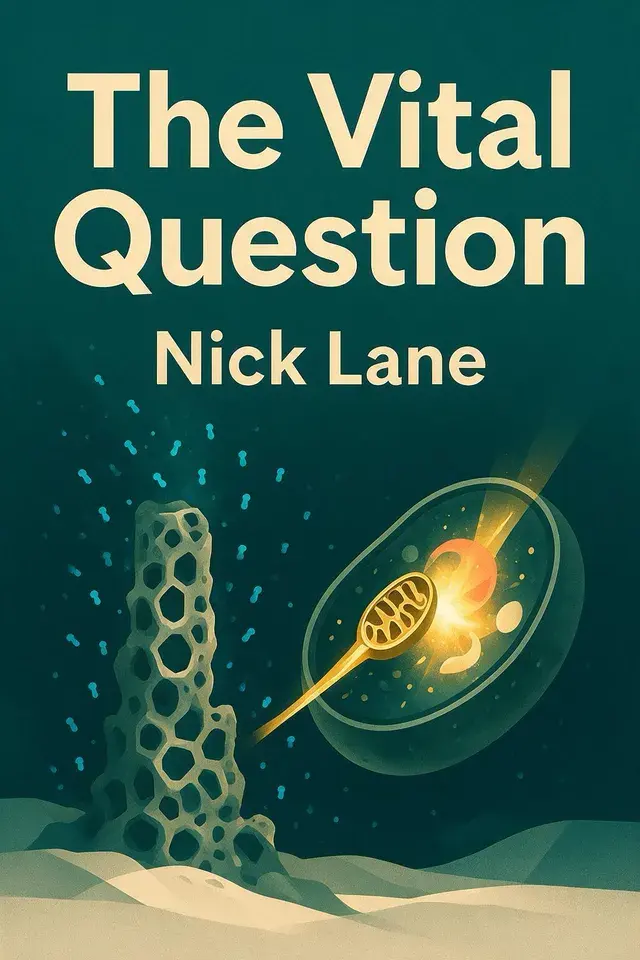
The Vital Question
Nick Lane asks why life universally turns chemical gradients into usable energy, why bacteria and archaea remained simple for billions of years, and why complex cells appeared only once. He links alkaline-vent chemistry, mitochondrial endosymbiosis, sex, ageing, and disease into a testable account of life’s origins and rarity.
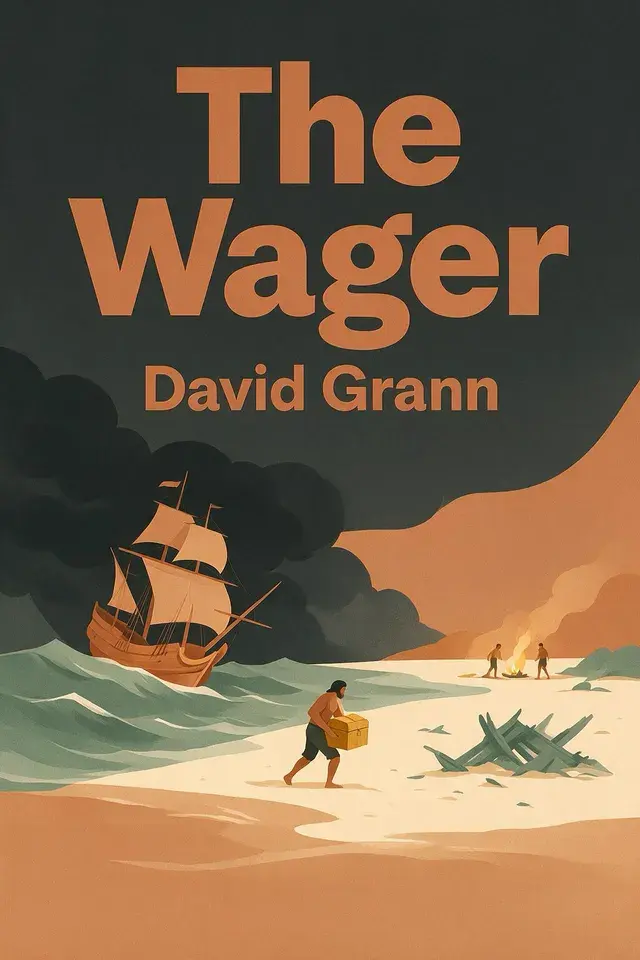
The Wager
David Grann reconstructs HMS Wager’s secret British mission to seize a Spanish treasure galleon and the catastrophe that follows: disease, storms, shipwreck, starvation, mutiny, captivity, and competing accounts. The central question is how survival and imperial authority shape who is remembered as a hero, a mutineer, or a civilized officer.
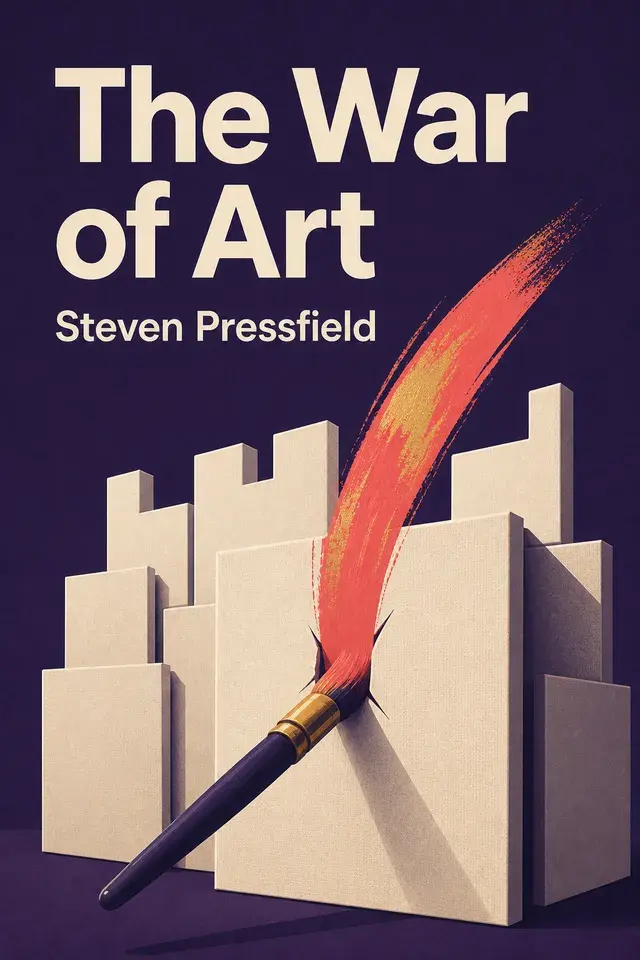
The War of Art
Steven Pressfield’s The War of Art asks why people resist meaningful creative work, how fear disguises itself as procrastination and self-sabotage, and what changes when a person turns professional. It offers a disciplined, spiritually open framework for beginning, sustaining, and giving one’s work to the world.

The Warmth of Other Suns
Isabel Wilkerson follows Ida Mae Gladney, George Starling, and Robert Foster through the Great Migration from the Jim Crow South. The book asks what freedom costs when escape leads to unfamiliar cities, new barriers, family separation, and reinvention, while showing how private decisions can reshape cities, politics, culture, and generations.
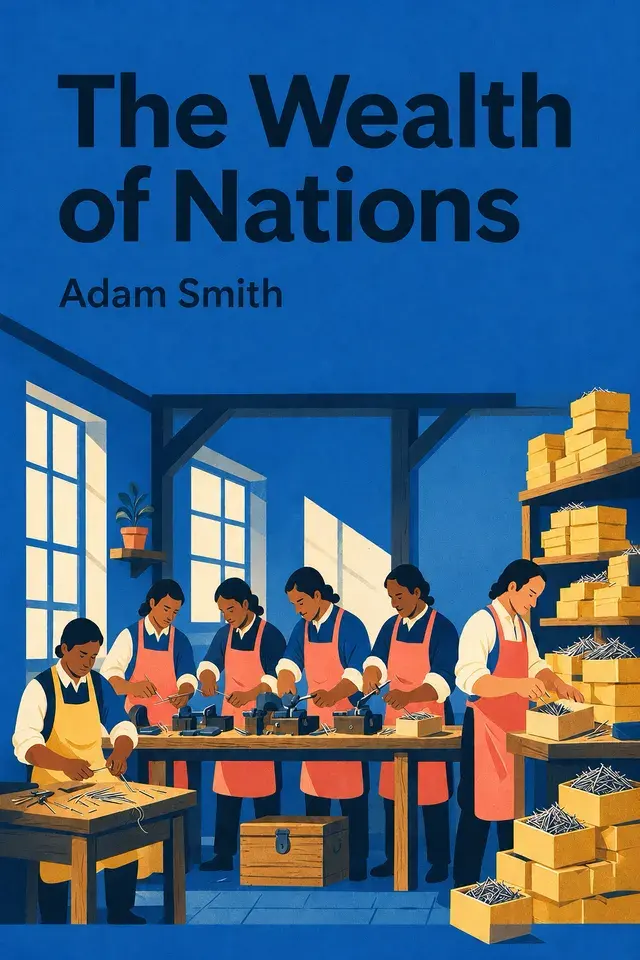
The Wealth of Nations
The Wealth of Nations asks how labor, exchange, land, and accumulated stock become broad material abundance. It traces division of labor, prices, wages, rent, banking, trade, and political institutions, showing how markets can support growth while privileges, insecure property, and misdirected capital obstruct it.
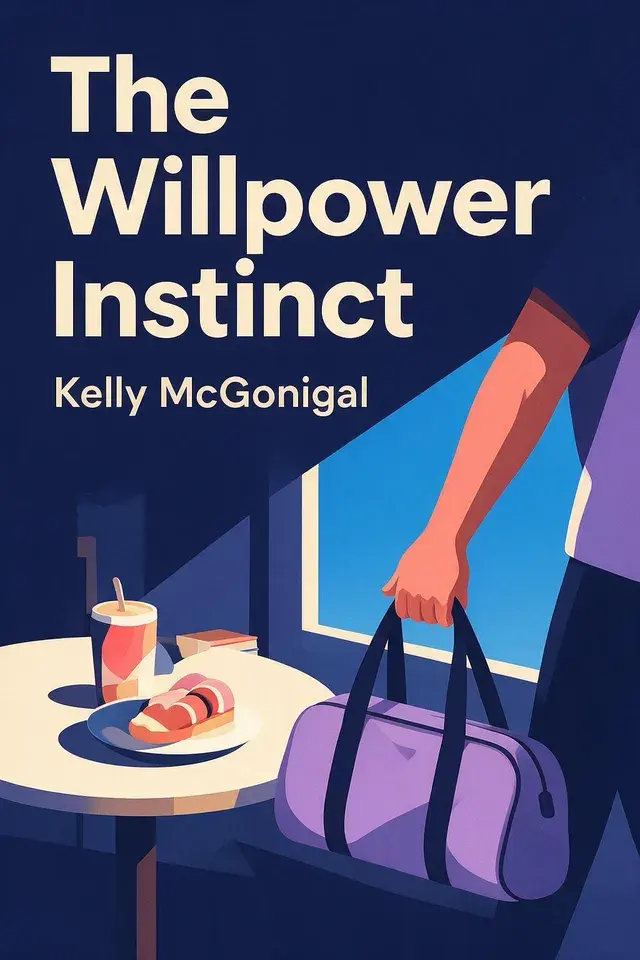
The Willpower Instinct
Why do we act against our own goals, and can self-control be trained? The Willpower Instinct maps the competing systems behind restraint, desire, stress, reward, time, and social influence, then turns that map into experiments for noticing impulses, designing better conditions, and choosing actions that serve longer-term aims.

The Woman in Me
Britney Spears’s memoir traces how a child who found freedom in singing became a pop star and mother before being placed under a conservatorship. It asks what happens when family, media, and institutions claim authority over an artist’s body and voice—and how testimony, creativity, faith, and ordinary choices can rebuild self-determination.
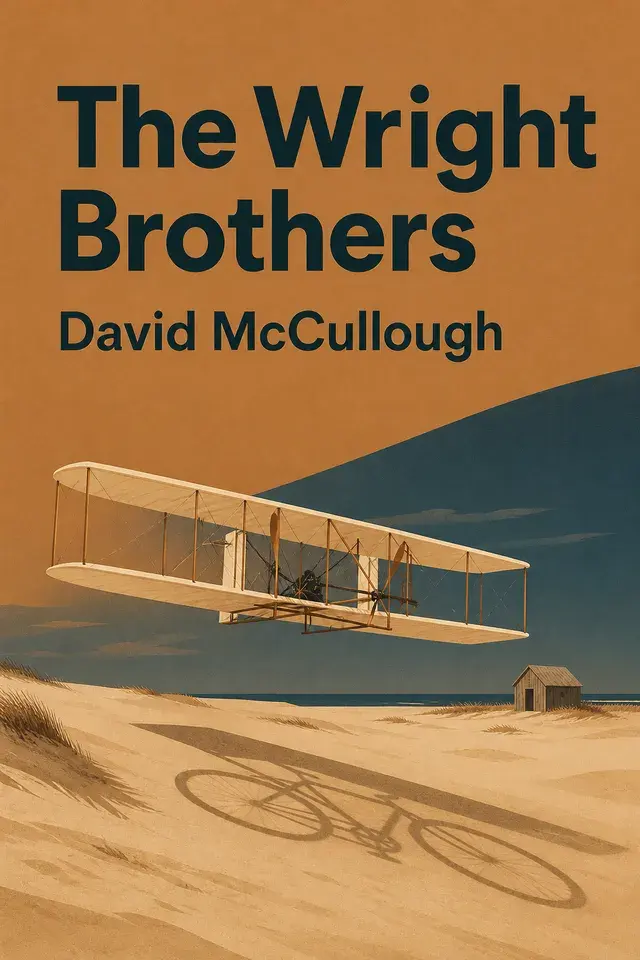
The Wright Brothers
David McCullough’s biography follows Wilbur and Orville Wright from a close, self-educating family and bicycle workshop to controlled flight, public proof, and a contested legacy. It asks how patient measurement, practical skill, and partnership overcame failed theories—and how invention changes when recognition, commerce, injury, and war reshape its meaning.
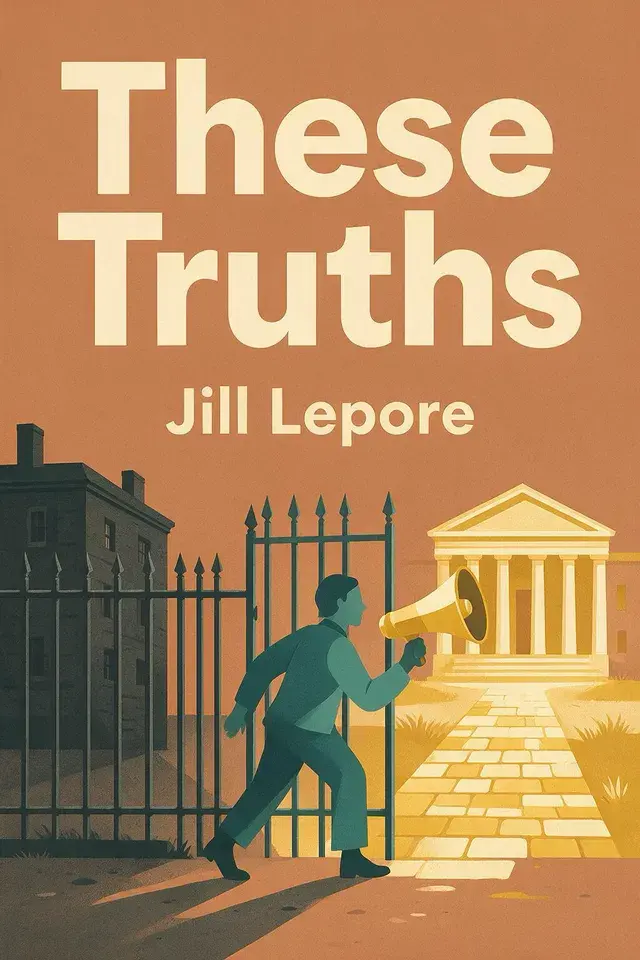
These Truths
These Truths asks how the United States could claim equality, natural rights, and self-government while practicing conquest, slavery, exclusion, and coercion. Its history connects institutions, movements, media, and technology to the recurring struggle over who belongs to the people and how democracy decides what is true.
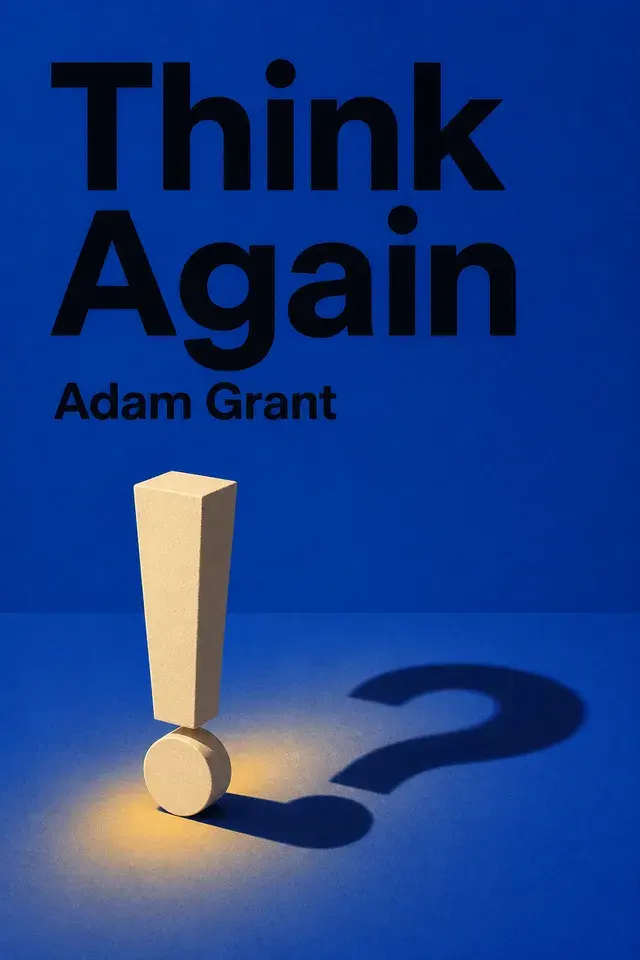
Think Again
Think Again examines how to question beliefs, loosen identity’s grip on being right, and revise decisions as circumstances change. Its central question is how to rethink alone and together—through productive disagreement, listening, education, and learning cultures—and pursue meaning without confusing persistence with wisdom.
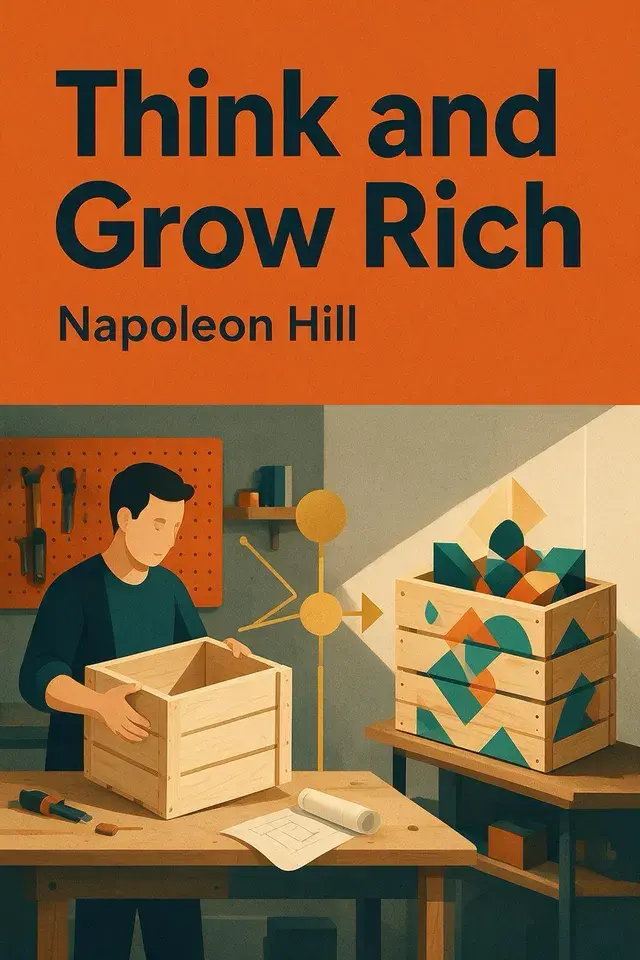
Think and Grow Rich
Think and Grow Rich asks how a dominant desire becomes achievement. Hill’s answer combines a definite aim, faith, autosuggestion, specialized knowledge, imagination, planning, decision, persistence, cooperative power, emotional discipline, and freedom from fear. The outline preserves that progression while distinguishing practical advice from the book’s metaphysical claims.
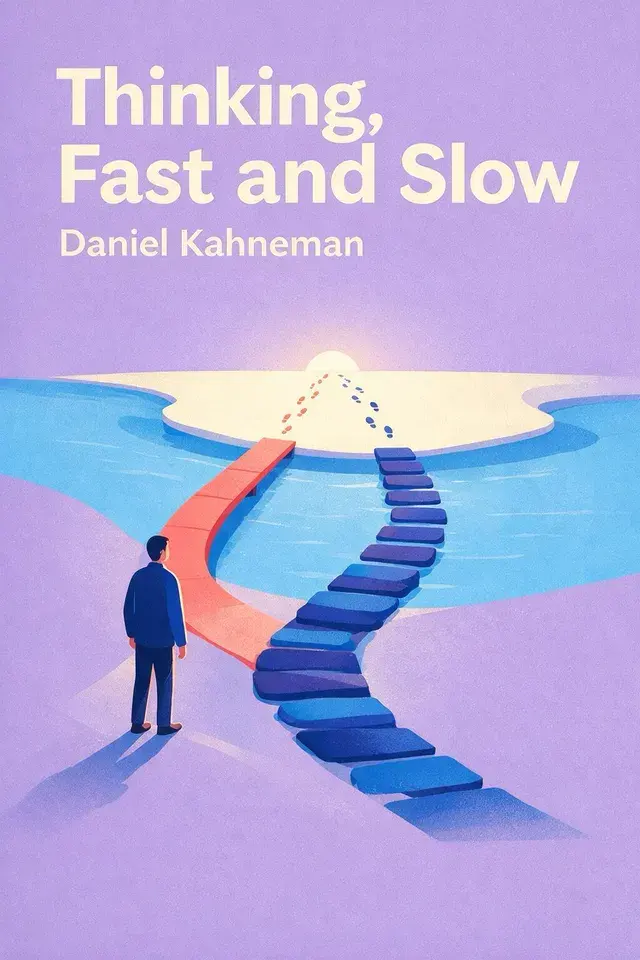
Thinking, Fast and Slow
Why do quick impressions feel convincing, why do losses loom larger than gains, and why can memory misrepresent experience? Kahneman’s account traces the shortcuts, statistical errors, reference points, frames, and competing selves that shape judgment, then considers how measurement, deliberate checking, and institutional design can improve decisions.
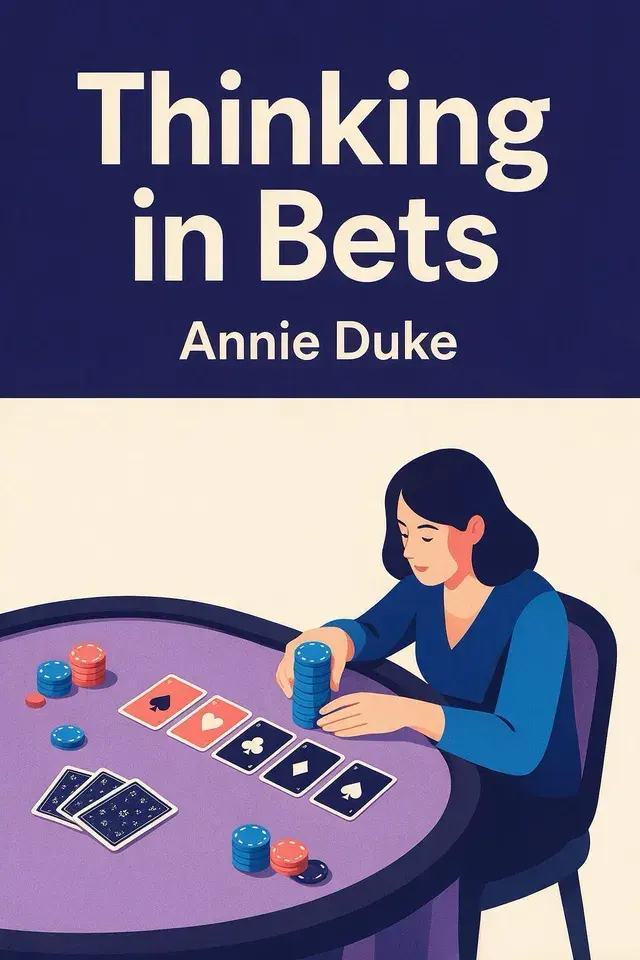
Thinking in Bets
Thinking in Bets asks how to make sound decisions when luck, incomplete information, and bias obscure what is true. Annie Duke uses poker as a model for probabilistic thinking, then develops practices for calibrated beliefs, learning from outcomes, constructive dissent, precommitment, and planning across possible futures.
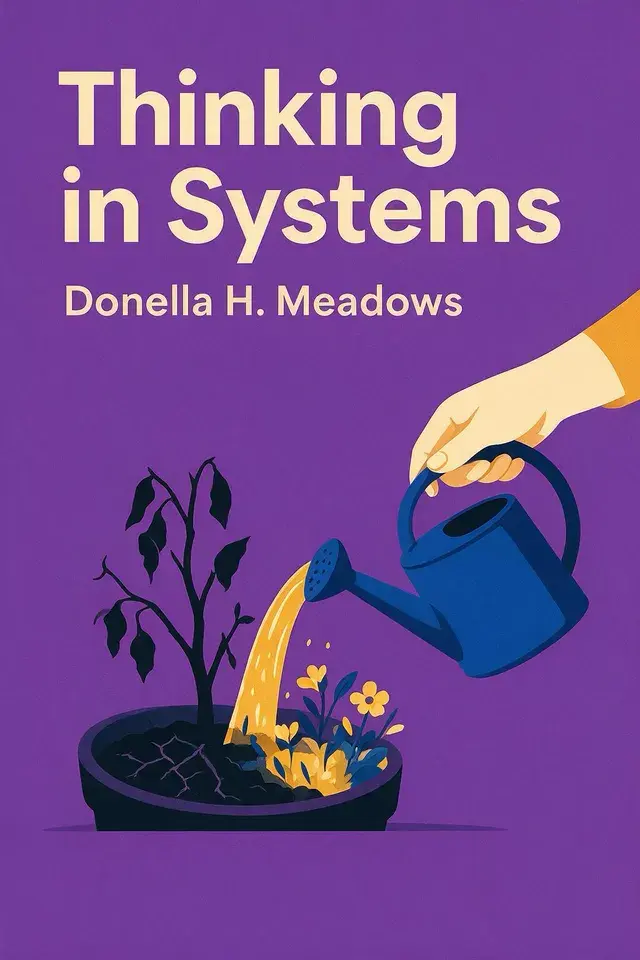
Thinking in Systems
Thinking in Systems asks how interconnected structures produce behavior that persists, grows, oscillates, or collapses. It explains why familiar fixes fail, how feedback and goals create traps, and where leverage lies for changing systems—while preserving resilience and acting with humility when prediction and control are limited.
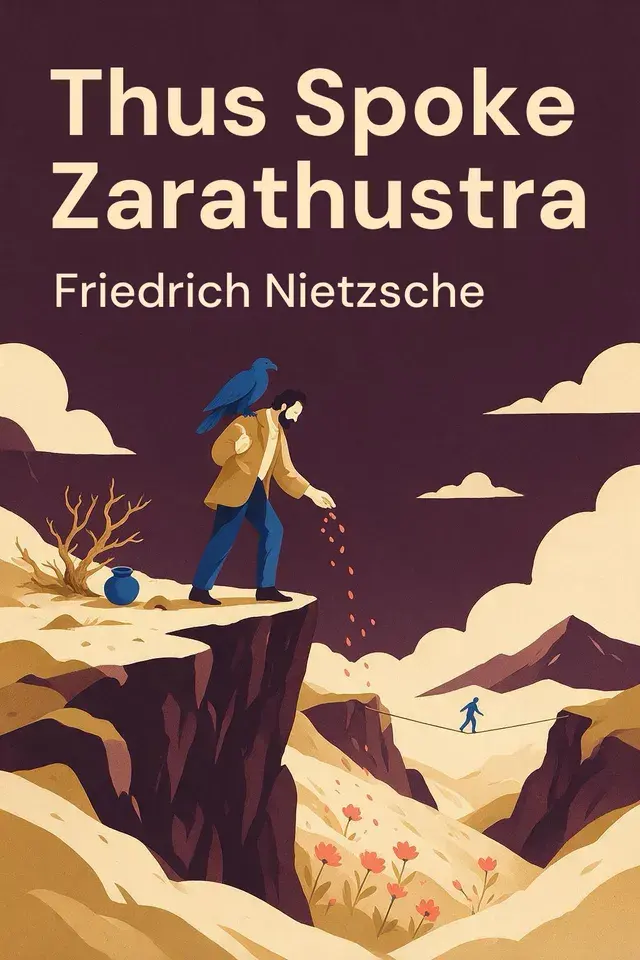
Thus Spoke Zarathustra
Through Zarathustra’s speeches, parables, songs, and failures, the book asks how people can live and create after inherited religious and moral certainties lose their authority. It offers a demanding way to think about self-overcoming, earth-fidelity, solitude, value creation, and eternal recurrence without reducing them to a final creed.
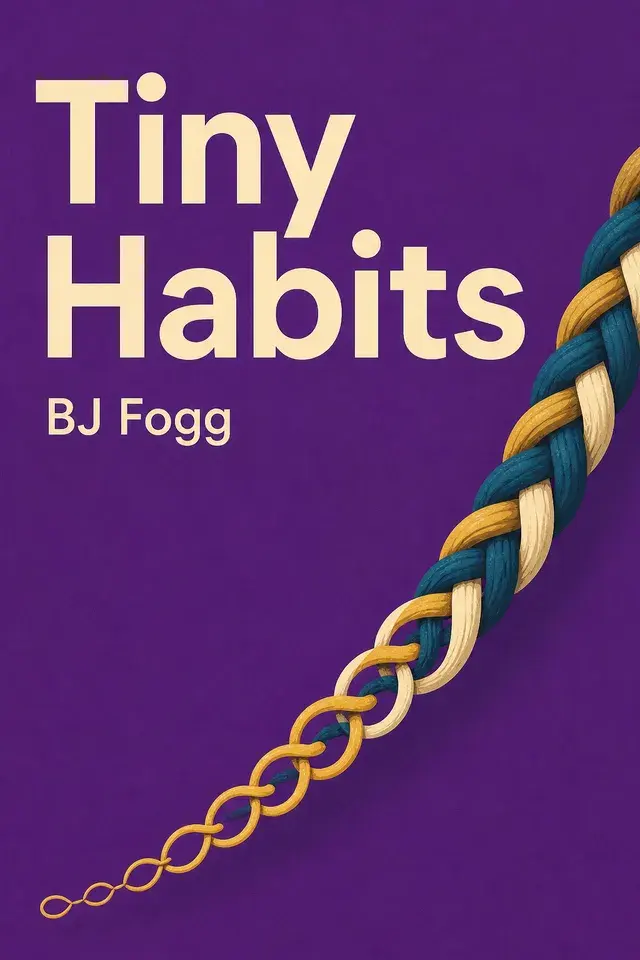
Tiny Habits
How can lasting behavior change become easier than relying on willpower? Tiny Habits treats change as a design problem: choose a behavior that fits real life, attach it to an existing routine, celebrate success, and iterate. The framework also explains how to loosen unwanted habits and coordinate change with other people.
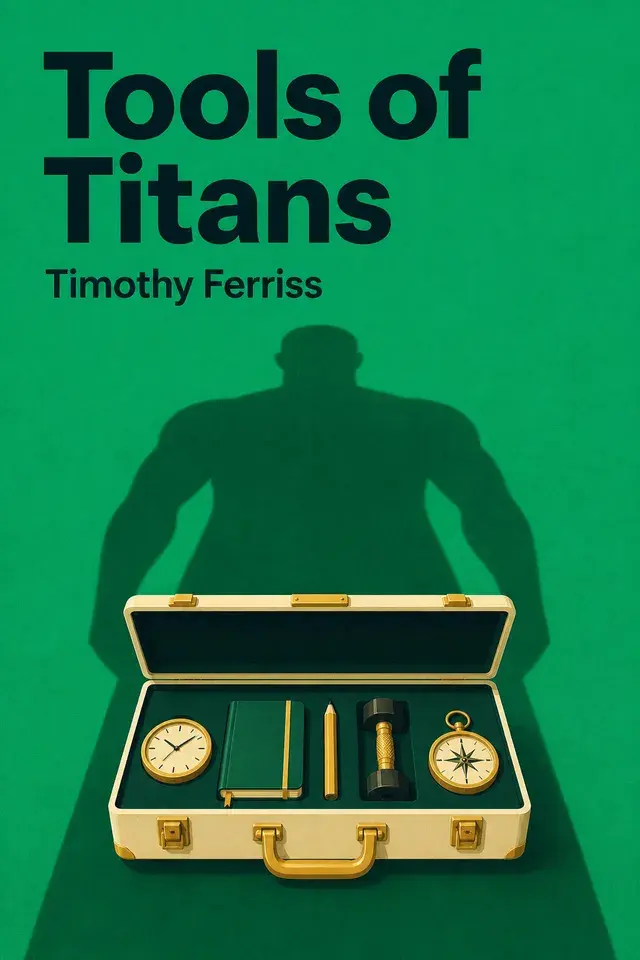
Tools of Titans
Tools of Titans examines how high performers build health, wealth, and wisdom through habits, questions, experiments, and deliberate choices. Its central question is how to borrow useful principles without copying personalities. The practical value is a framework for testing, adapting, and combining tools into a life-specific system.