Books worth understanding, not just finishing.
Explore 475 carefully structured nonfiction summaries. Start with the central argument, keep the useful ideas, then decide what deserves a full read.
All book summaries
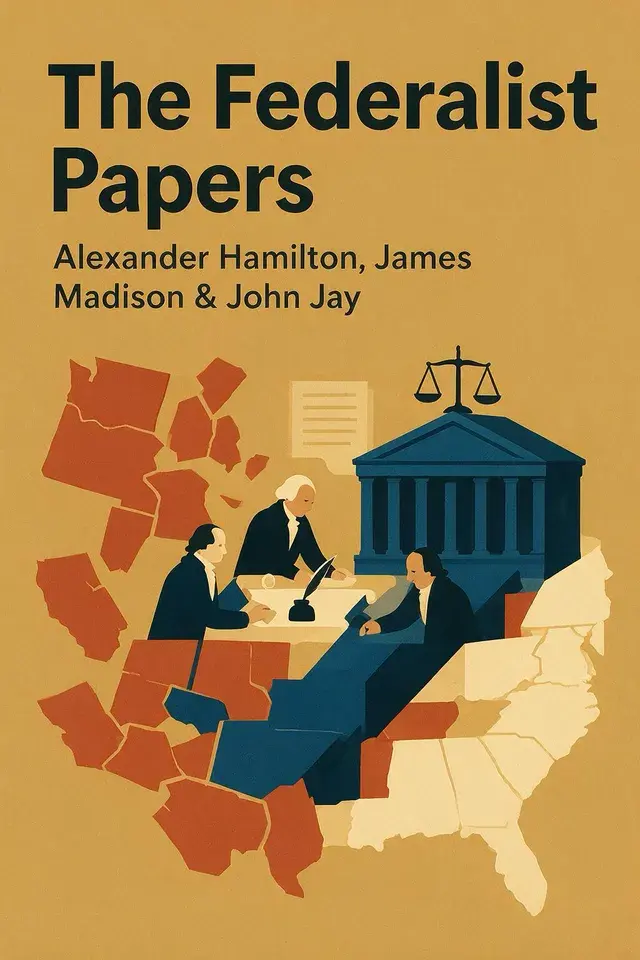
The Federalist Papers
The Federalist Papers asks how a free people can preserve union without giving government enough power to destroy liberty. It traces the dangers of disunion, defends national capacity, and explains representation, executive energy, judicial independence, and checks and balances. The appended founding documents sharpen the constitutional framework these essays defend.
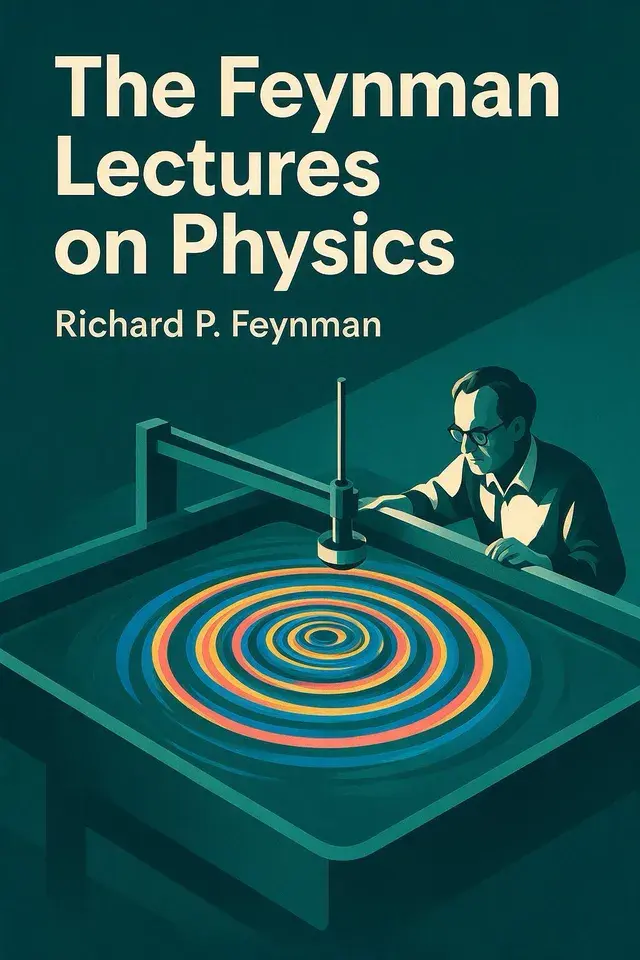
The Feynman Lectures on Physics
How can local laws explain forces, fields, waves, matter, machines, fluids, and gravity? The Feynman Lectures on Physics answers by building from electromagnetism through mathematical analogy, relativity, quantum and material models, showing how unified reasoning works—and where idealizations and incomplete theories limit explanation.
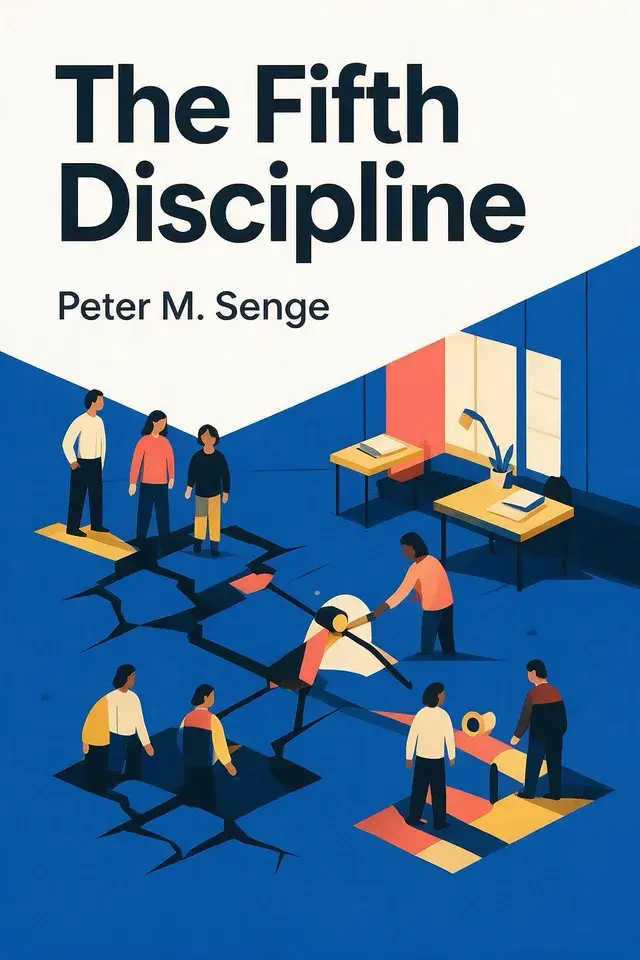
The Fifth Discipline
Peter Senge’s argument asks how organizations can create desired futures instead of reacting to events and repeating inherited failures. It connects systems thinking with personal mastery, mental models, shared vision, and team learning, then extends those ideas to leadership, organizational change, sustainability, and collective responsibility.
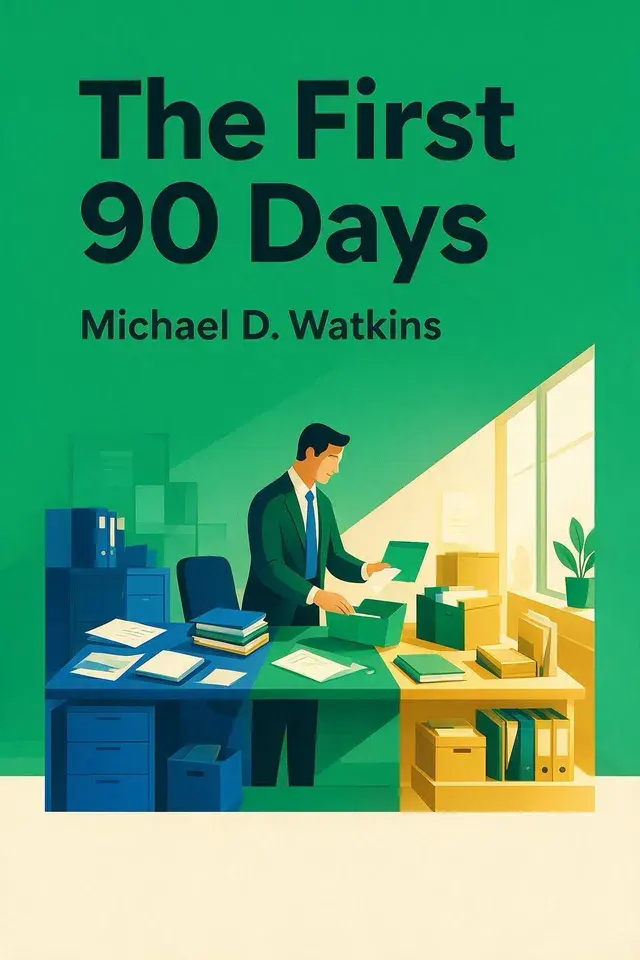
The First 90 Days
The First 90 Days examines how leaders enter a new role, learn the organization, diagnose its situation, build credibility, align people and systems, and manage themselves. It asks how a vulnerable transition can become early momentum and lasting organizational value, offering a practical way to decide what to learn, whom to align, and what to change first.

The Five Love Languages
The Five Love Languages examines why affection can fade after marriage and asks how spouses can make love recognizable to one another. It proposes five primary languages—words, time, gifts, service, and touch—and applies them to conflict, repair, and parenting, offering a practical method for translating intention into connection.
The Four Agreements
The book presents human suffering as the result of inherited agreements—fearful beliefs, judgments, and assumptions—that shape a personal dream. It asks how language and daily behavior can loosen that conditioning, and offers four practices for reclaiming self-trust, clearer relationships, emotional freedom, and a more loving way to inhabit life.
The Gap and the Gain
The Gap and the Gain asks why achievement often fails to produce lasting happiness. It contrasts measuring yourself against moving ideals and future outcomes with measuring backward from your own progress, then shows how wanting, daily wins, gratitude, and transformed setbacks can support agency and continued growth.
The Gene
The Gene follows heredity from ancient theories and Mendel’s peas through chromosomes, DNA, genome sequencing, gene therapy, diagnosis, and genome editing. Its central question is how genetic information becomes a living person—and what changes when people can read, select, or rewrite it. It distinguishes genetic influence from environment, chance, and social judgment while keeping genetic power’s risks in view.
The Gifts of Imperfection
Brené Brown examines how to live wholeheartedly when shame, perfectionism, comparison, and fear encourage hiding, overwork, and disconnection. The book asks whether worthiness can be claimed before achievement, then maps practices of vulnerability, compassion, gratitude, creativity, rest, meaningful work, and joyful expression that make authentic connection more possible.

The Glass Castle
The Glass Castle follows Jeannette Walls from a childhood of mobility, poverty, danger, and imaginative family instruction to an adult life built beyond her parents’ control. It asks how love and harm can coexist, and how inherited resourcefulness can become agency without denying the costs of neglect.
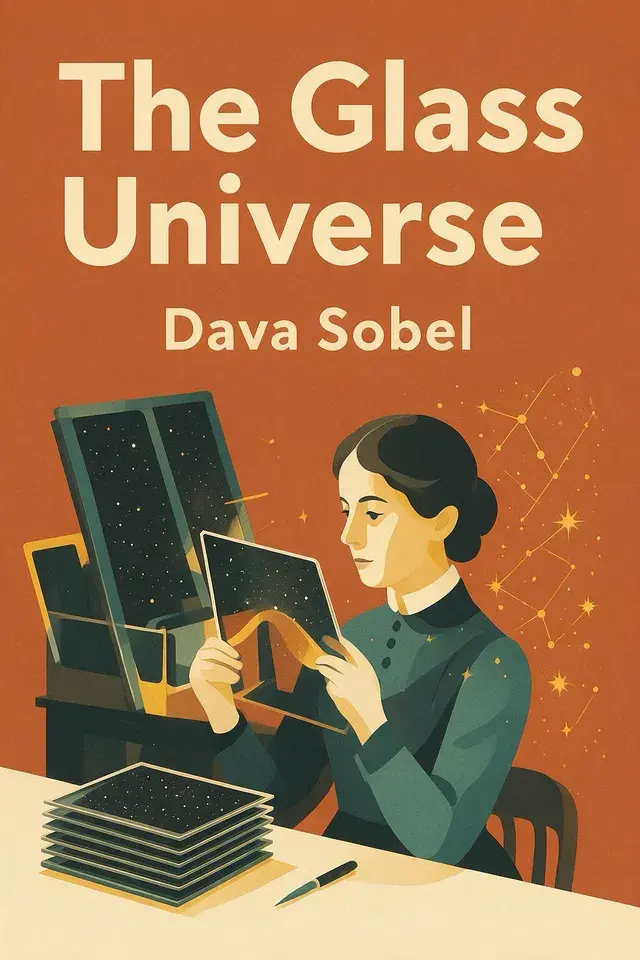
The Glass Universe
How did a nineteenth-century observatory turn glass plates into knowledge about stars—and make room for women to shape that knowledge? This summary follows spectral classification, variable stars, Leavitt’s distance relation, Shapley’s galactic map, and Payne’s stellar-atmosphere work, showing how routine measurement and institutional choices changed ideas of cosmic scale.
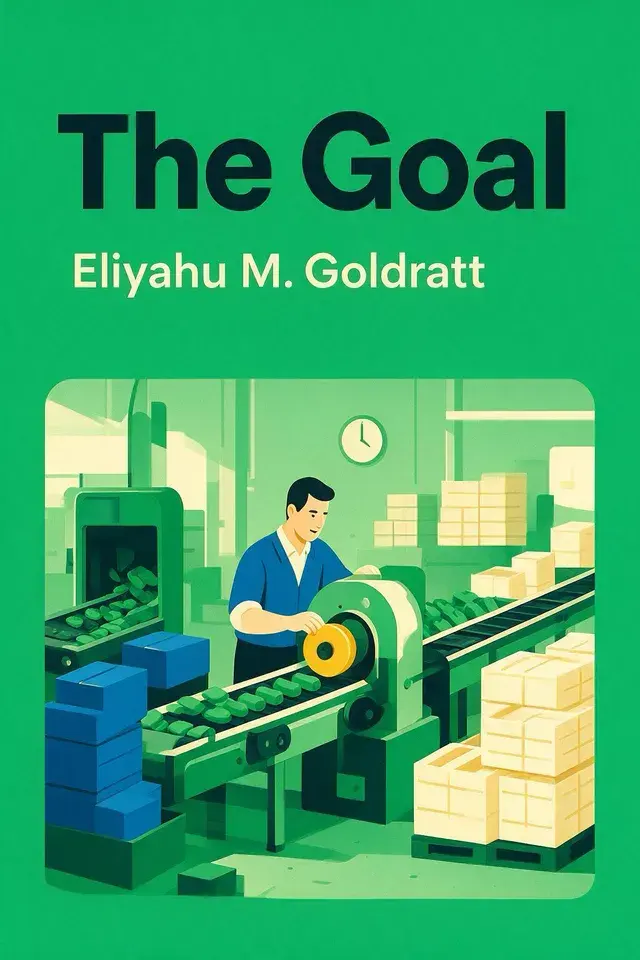
The Goal
The Goal follows plant manager Alex Rogo as he tries to save a failing factory while his family life is strained. It asks what productivity means when local efficiency harms the whole system, then develops bottleneck-focused measures and question-led reasoning for improving flow, financial results, and learning.
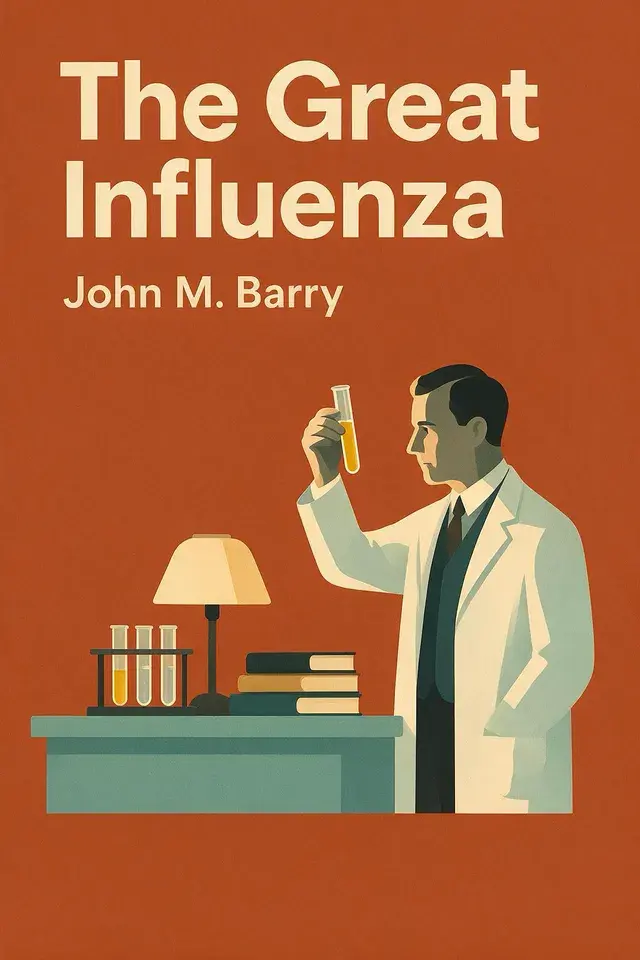
The Great Influenza
The Great Influenza is a history of the 1918 pandemic and the scientific transformation that preceded it. It asks how a modern medical system, a mobilized nation, and a fast-changing virus produced catastrophe—and what disciplined science, honest communication, and preparedness can learn from that failure.
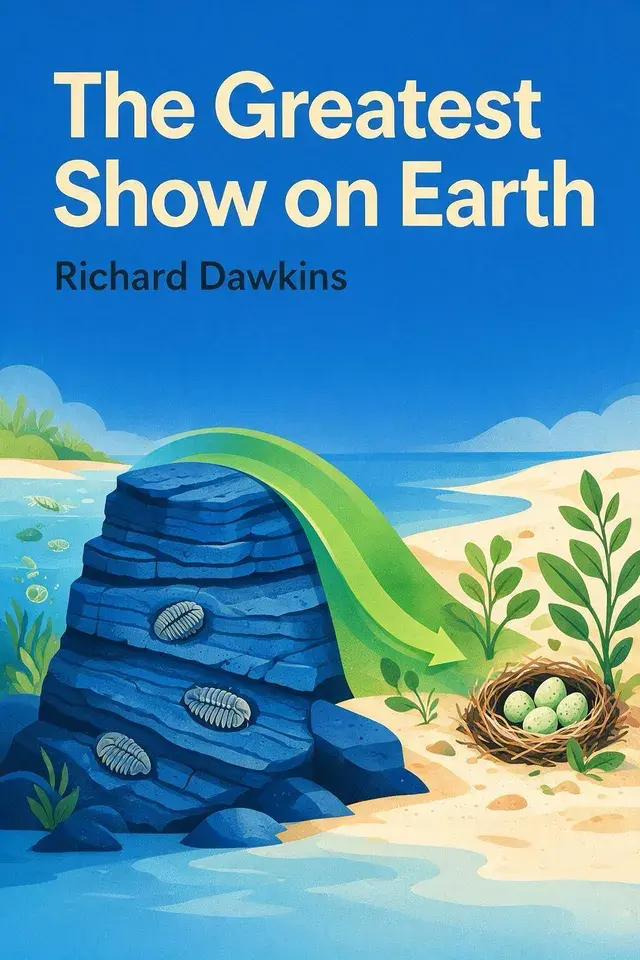
The Greatest Show on Earth
Richard Dawkins asks how we can know evolution happened and how natural selection turns inherited variation into adaptation. Drawing on geological clocks, living experiments, fossils, embryology, biogeography, anatomy, and molecular comparisons, the book builds a cumulative case for common descent and explains why life’s complexity coexists with historical imperfections.

The Gulag Archipelago
The Gulag Archipelago reconstructs how Soviet arrests, interrogation, forced labor, exile, and camp society formed a hidden national system. It asks what happens to truth, dignity, and conscience when power turns fear into social practice, and why remembering collective suffering remains a moral responsibility.

The Guns of August
An audio-first account of the first month of World War I, asking how diplomatic commitments, military doctrines, and human decisions turned a Balkan crisis into a wider war—and how failed plans, Belgian resistance, Russian sacrifice, naval paralysis, retreat, and the Marne created Western Front deadlock. Its value is a study of rigidity under pressure.
The Hacking of the American Mind
Robert Lustig examines how modern life confuses short-lived pleasure with durable happiness. He follows that confusion through dopamine, serotonin, stress, food, technology, markets, and policy, then asks how connection, contribution, coping, and cooking might restore contentment and agency.
The Happiness Hypothesis
The Happiness Hypothesis asks how ancient wisdom and modern psychology can explain a good life. It follows the divided mind from emotion and reason through self-control, relationships, adversity, virtue, sacred experience, work, and meaning, then weighs how inner cultivation and external conditions combine to shape flourishing.