Books worth understanding, not just finishing.
Explore 475 carefully structured nonfiction summaries. Start with the central argument, keep the useful ideas, then decide what deserves a full read.
All book summaries
The Happiness Project
How can a person become happier without abandoning an ordinary life? Gretchen Rubin records a year of experiments that turn self-observation into concrete resolutions involving energy, relationships, work, family, play, money, attention, and contentment. The value is a flexible method: choose practices that fit your nature, track them, and resume after failure.

The Hard Thing About Hard Things
Ben Horowitz’s account of building Netscape, Loudcloud, and Opsware asks what leaders should do when no option is good: how can they face fear, preserve trust, build capable organizations, decide under uncertainty, and recognize when persistence should yield to a sale? Its value lies in turning hard-won experience into usable questions, not formulas.
The Heart of the Buddha's Teaching
The Heart of the Buddha’s Teaching asks how suffering arises, how it can end, and what liberation looks like in ordinary life. It connects mindfulness, ethical action, compassion, interbeing, and meditation into a practical path for transforming personal pain while changing the conditions that sustain suffering in communities.

The Hidden Life of Trees
The book asks what trees do beyond growing: how communication, cooperation, competition, soil, fungi, seasons, and disturbance make forests resilient, and why isolation and simplified management weaken them. Its value is a systems-level way to understand trees as living communities rather than interchangeable timber.

The High 5 Habit
The High 5 Habit asks how a tiny mirror ritual might shift self-validation, attention, and action when self-criticism, fear, jealousy, guilt, or setbacks take over. This summary traces Robbins's argument from the practice's proposed mechanism to its limits, applications, and a repeatable morning routine.
The Histories
Herodotus’s first four books ask how wars begin, empires rise, and power turns into ruin. Moving from Croesus and Cyrus through Egypt, Persia, Scythia, Kyrene, and Libya, this audio summary follows his comparisons of custom, geography, ritual, fortune, and evidence—showing how historical understanding grows through competing reports rather than certainty.
The History of the Peloponnesian War
Thucydides examines how Greek rivalries became a war between an expanding Athenian empire and a Spartan-led coalition, following the conflict through revolt, faction, diplomacy, Sicily, catastrophe, and recovery. Its central question is how power, fear, judgment, and chance turn insecurity into violence—and what that reveals about political life.
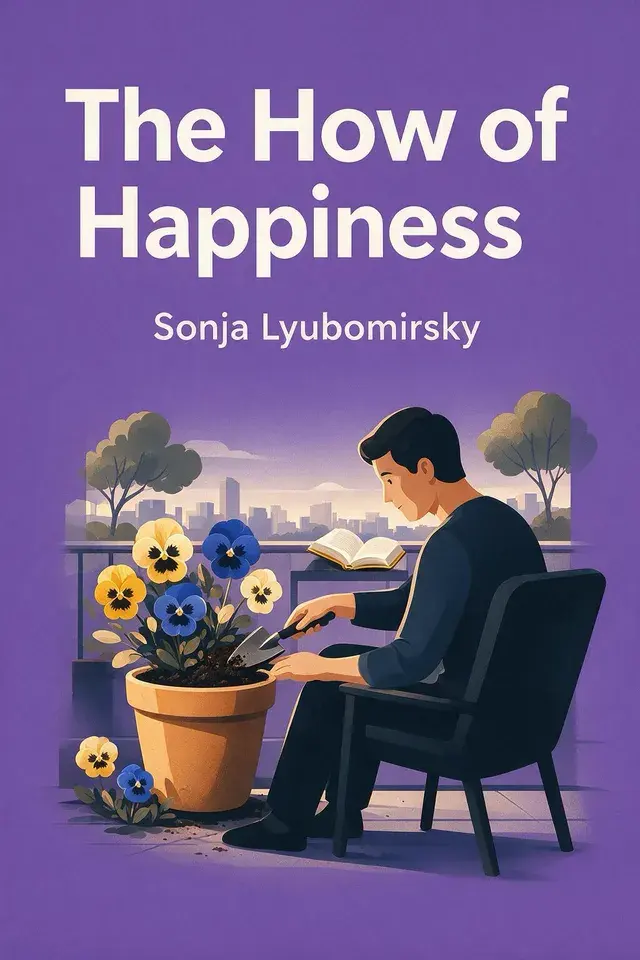
The How of Happiness
The How of Happiness asks what part of well-being lies within deliberate control. It connects research on genes, circumstances, adaptation, relationships, attention, goals, body and spiritual practices, and habit formation into an individualized program, while explaining why resilience is not denial and self-help is not a substitute for depression treatment.

The Immortal Life of Henrietta Lacks
Rebecca Skloot traces Henrietta Lacks’s life, the taking of cervical cells without her informed permission, and her family’s struggle to understand HeLa’s scientific afterlife. The book asks how medical progress should balance public benefit with consent, privacy, ownership, and recognition, giving readers a human framework for thinking about biological research.
The Inevitable
Kevin Kelly asks how networked technology will reshape work, ownership, media, attention, creativity, identity, and collective life. Tracing forces from becoming and artificial intelligence through access, sharing, filtering, remixing, tracking, and questioning, he distinguishes directional momentum from fixed outcomes and considers how people can adapt with judgment and agency.
The Infinite Game
The Infinite Game asks how leaders can keep business and other long-lived human pursuits moving when there is no final winner. It contrasts short-term scorekeeping with a Just Cause, then examines stewardship, trust, ethics, worthy rivals, adaptive change, and courageous decisions. The framework offers a way to judge choices by enduring purpose and consequences.
The Inner Game of Tennis
Why do technically trained players tighten up, overthink, and lose access to their best strokes? The book’s answer is an inner game of attention: quiet evaluative judgment, trust bodily learning, and stay with present facts. Its framework connects tennis practice with habit change, concentration, motivation, competition, and self-knowledge.
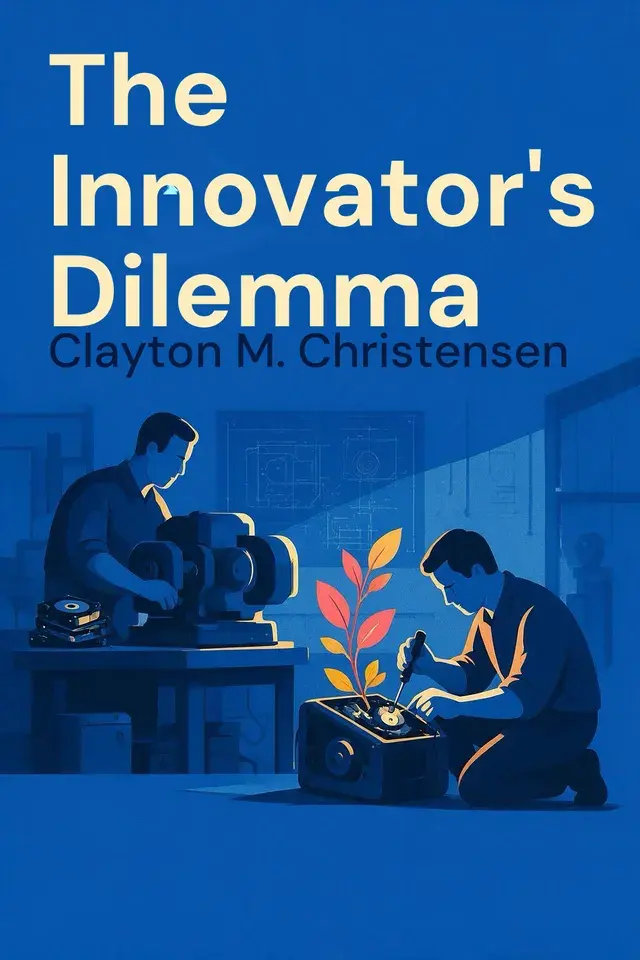
The Innovator's Dilemma
Clayton Christensen examines why admired companies can lose industry leadership while listening to customers, investing aggressively, and managing well. He asks how sustaining and disruptive innovation differ, then uses disk drives and other industries to show how markets, incentives, capabilities, and organizational design shape strategic choices.
The Innovators
Walter Isaacson’s history asks how programmable computing became a personal, networked world—and whether that transformation came from lone geniuses or collaborative ecosystems. It follows visionaries, engineers, programmers, entrepreneurs, hobbyists, institutions, and online communities, offering a framework for understanding how imagination, openness, and human judgment shape technology.
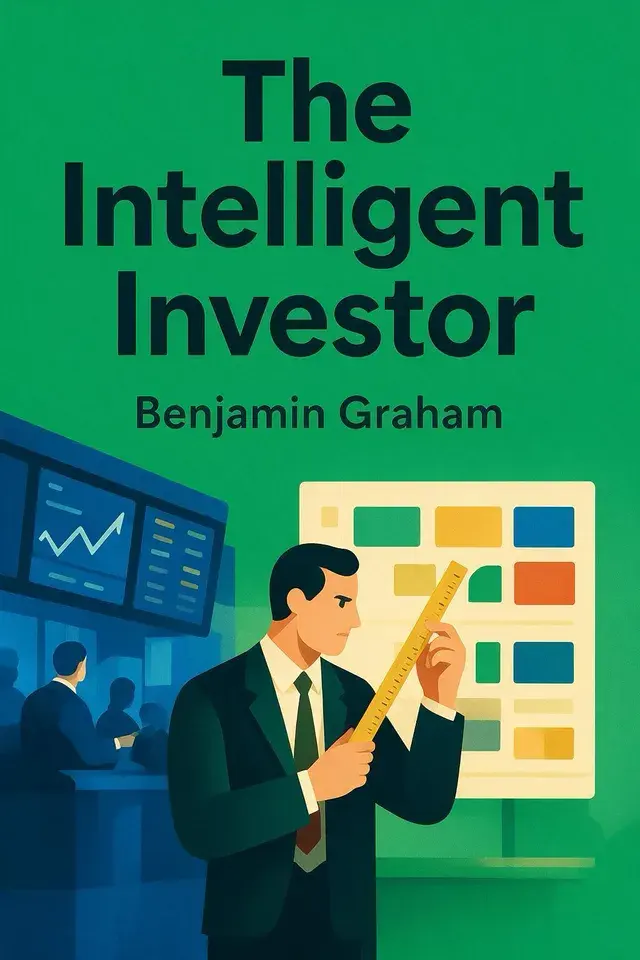
The Intelligent Investor
How can an ordinary person invest without mistaking market excitement for knowledge? Graham’s framework separates investing from speculation, relates price to business value, and builds decisions around diversification, margin of safety, costs, and behavior. The summary follows those principles through portfolio policy, security analysis, and corporate case histories.
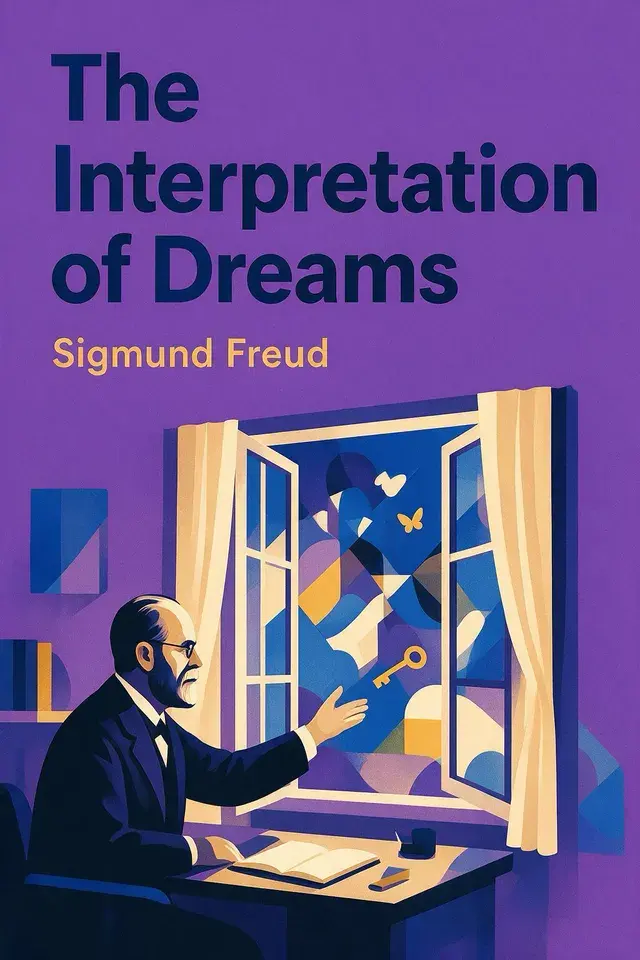
The Interpretation of Dreams
Freud asks what dreams mean and whether their baffling images are random. He treats them as disguised wish-fulfilments, tracing recent impressions, childhood memories, bodily sensations, and wordplay through censorship and dream-work. The result is a method for reading dreams as evidence about unconscious conflict and mental life.
The Last Lecture
The Last Lecture follows Randy Pausch as terminal illness turns time, parenting, and legacy into urgent questions: how can someone keep living well while preparing loved ones for absence? Through stories about dreams, feedback, work, marriage, caregiving, and gratitude, it asks how daily conduct can become a durable inheritance.
The Laws of Human Nature
Why do people react irrationally, envy one another, follow groups, misuse power, and mistake their own motives? Robert Greene’s study maps recurring forces from narcissism and desire to aggression, purpose, generational influence, and death, offering a framework for reading behavior, cultivating self-command, and acting with greater perspective.