Books worth understanding, not just finishing.
Explore 475 carefully structured nonfiction summaries. Start with the central argument, keep the useful ideas, then decide what deserves a full read.
All book summaries
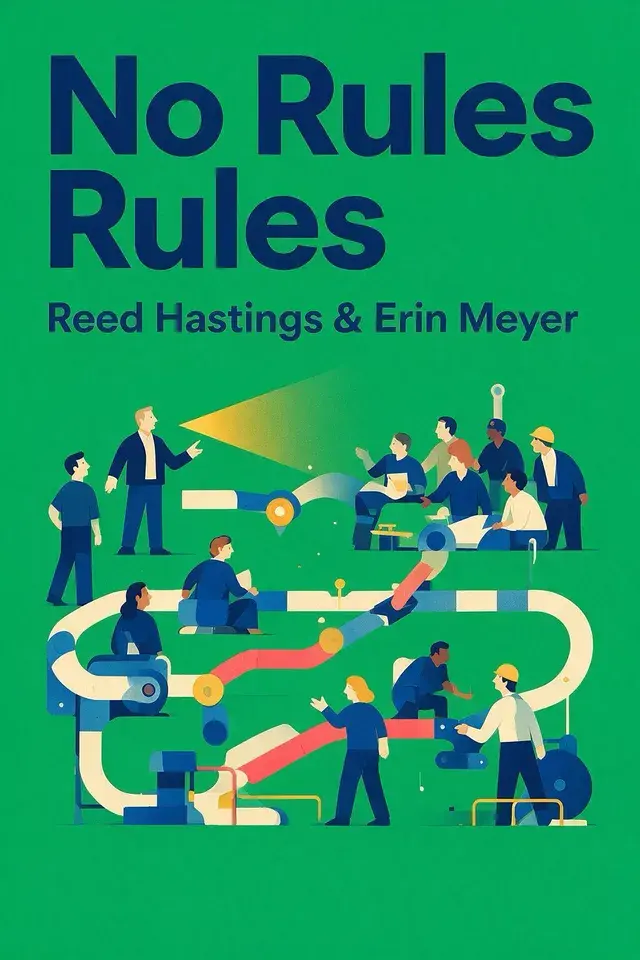
No Rules Rules
No Rules Rules examines how Netflix built a workplace around exceptional talent, candid feedback, transparency, and decentralized judgment. Its central question is when removing rules improves adaptation and innovation—and when freedom becomes chaos. The book’s practical value is a conditional framework for matching context, accountability, and cultural adaptation to the work.
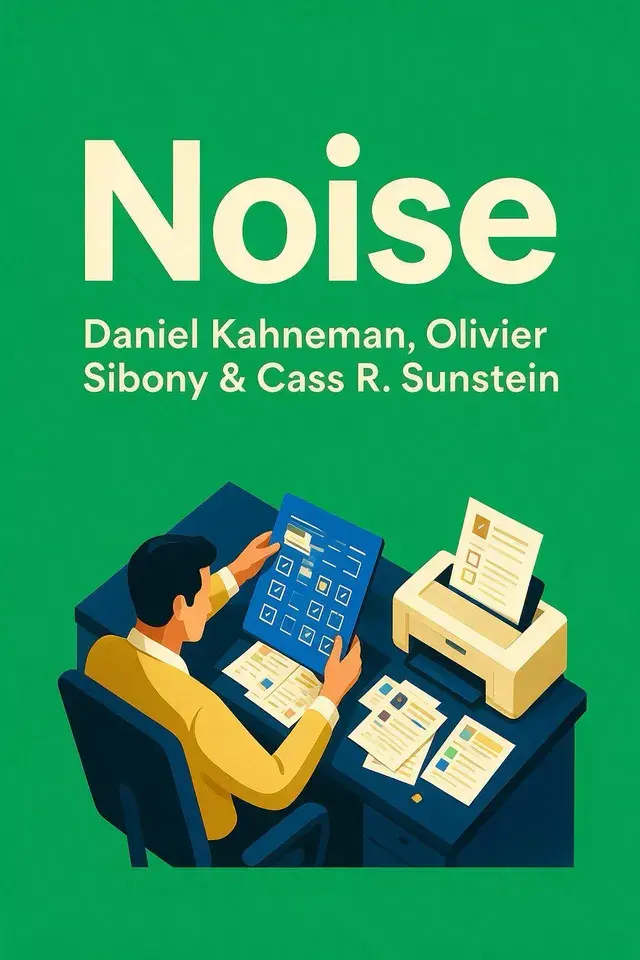
Noise
Noise examines why competent people can disagree about the same case—and why the same person can vary across occasions. It separates bias from unwanted variability, shows how judgment lotteries distort justice and prediction, and presents audits and decision-hygiene practices for making consequential decisions more consistent without erasing necessary discretion.

Nonviolent Communication
Marshall B. Rosenberg’s Nonviolent Communication asks how people lose touch with compassion and how language can restore connection. It presents a four-part practice—observations, feelings, needs, and requests—and applies it to empathy, conflict, self-judgment, protective force, counseling, and appreciation, offering a framework for clearer, more humane action.
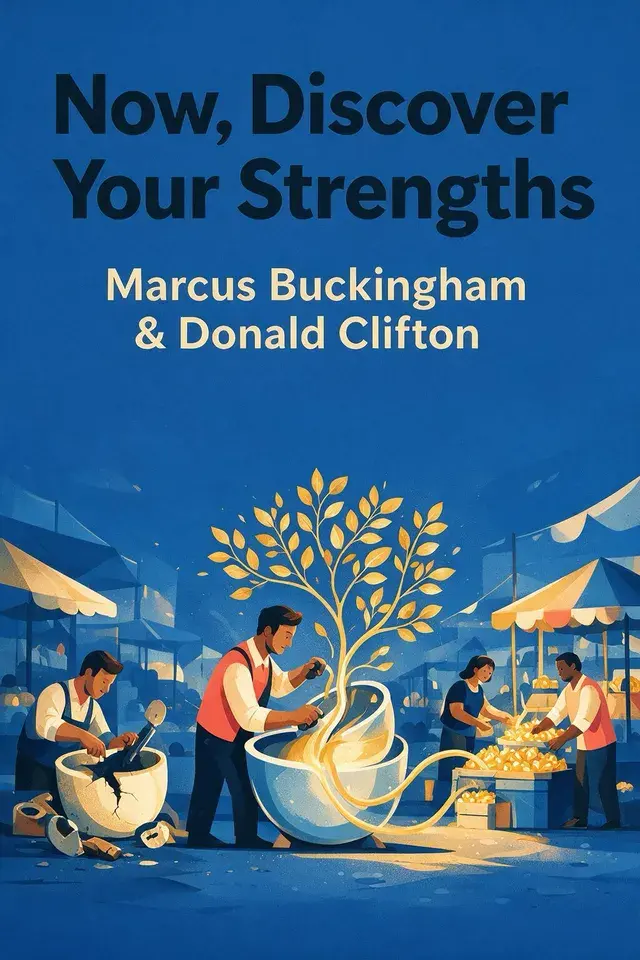
Now, Discover Your Strengths
Why do people and organizations spend so much effort repairing weaknesses instead of developing distinctive talents? Now, Discover Your Strengths explains how talents combine with knowledge and skills to form strengths, how StrengthsFinder surfaces recurring themes, and how those themes can inform self-understanding, careers, management, and organizational design.
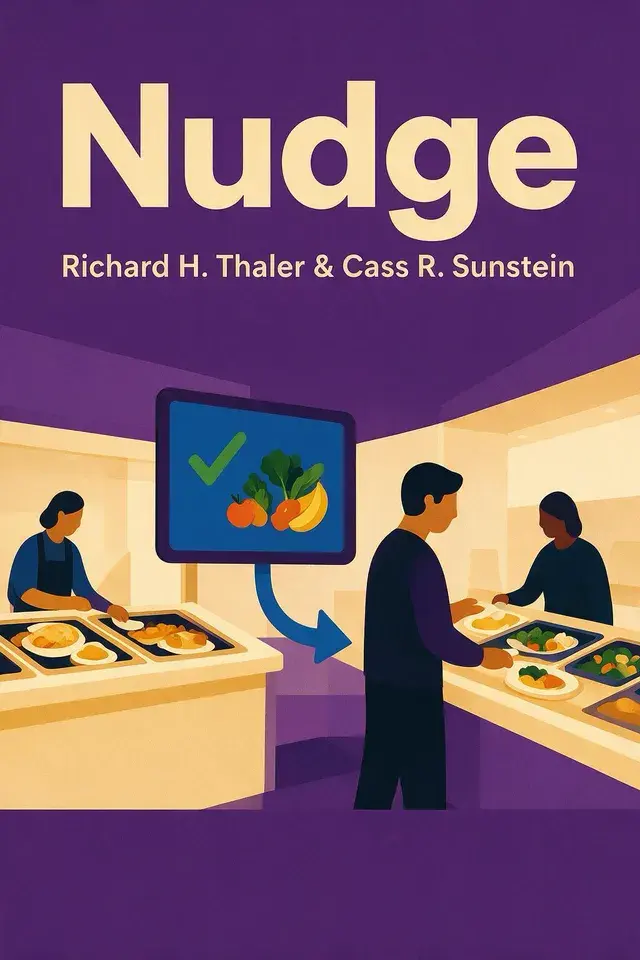
Nudge
Nudge examines how defaults, framing, feedback, incentives, and social context shape decisions made by fallible people. It asks how governments and private institutions can improve saving, health, education, markets, and public life while preserving freedom of choice—and offers practical criteria for responsible influence.
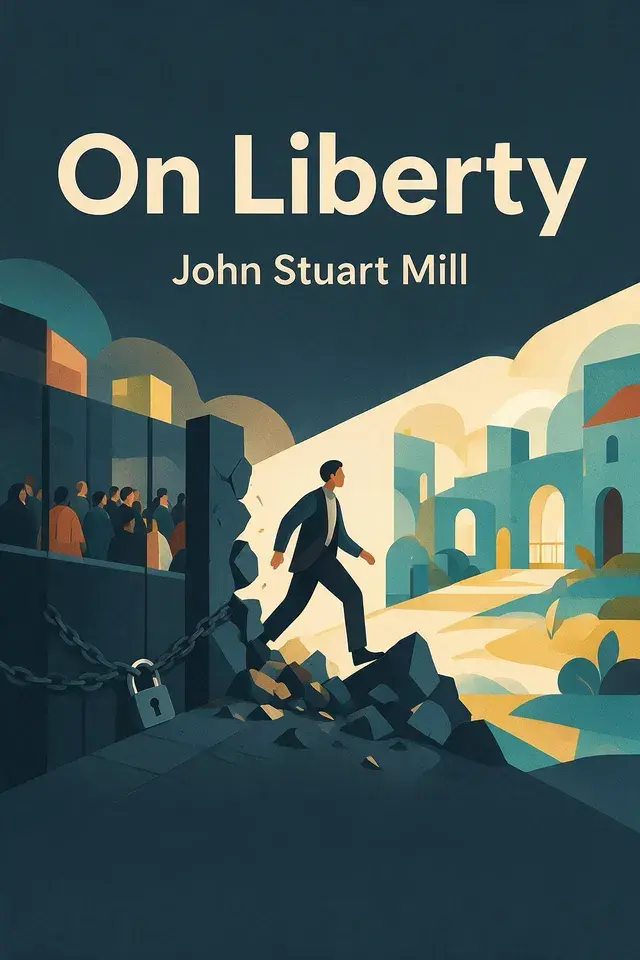
On Liberty
John Stuart Mill asks when society may restrain a person’s thought, speech, choices, and way of life. He argues for a harm-based limit on coercion, defends dissent and individuality as conditions of truth and progress, and tests the principle against social pressure, government, education, and slavery.
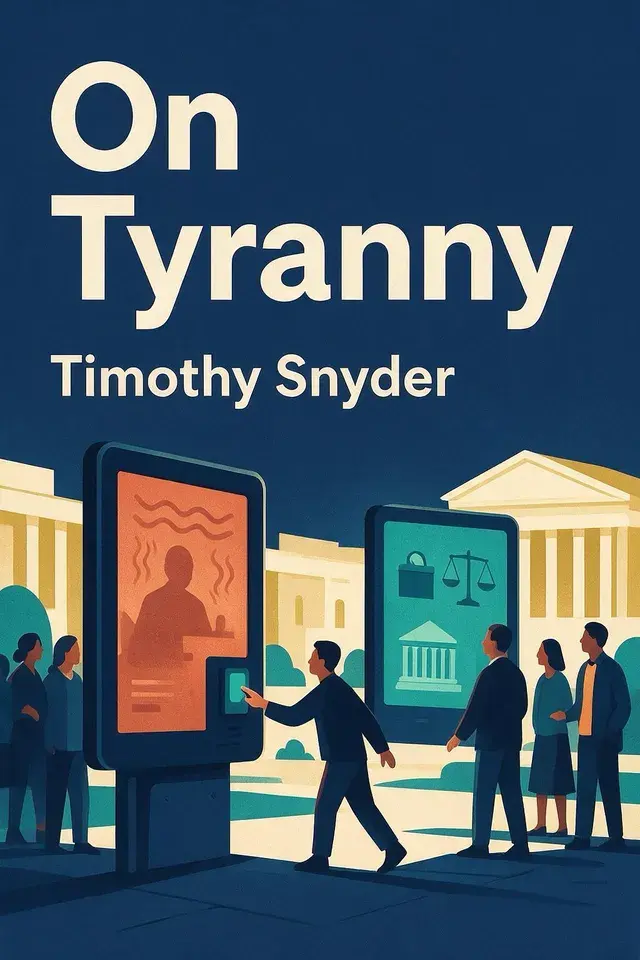
On Tyranny
On Tyranny asks how ordinary citizens can preserve freedom when democratic institutions weaken and fear, falsehood, and conformity spread. Drawing on twentieth-century European history, it argues that liberty depends on active habits: resisting premature obedience, defending institutions, protecting truth, and building civic relationships.
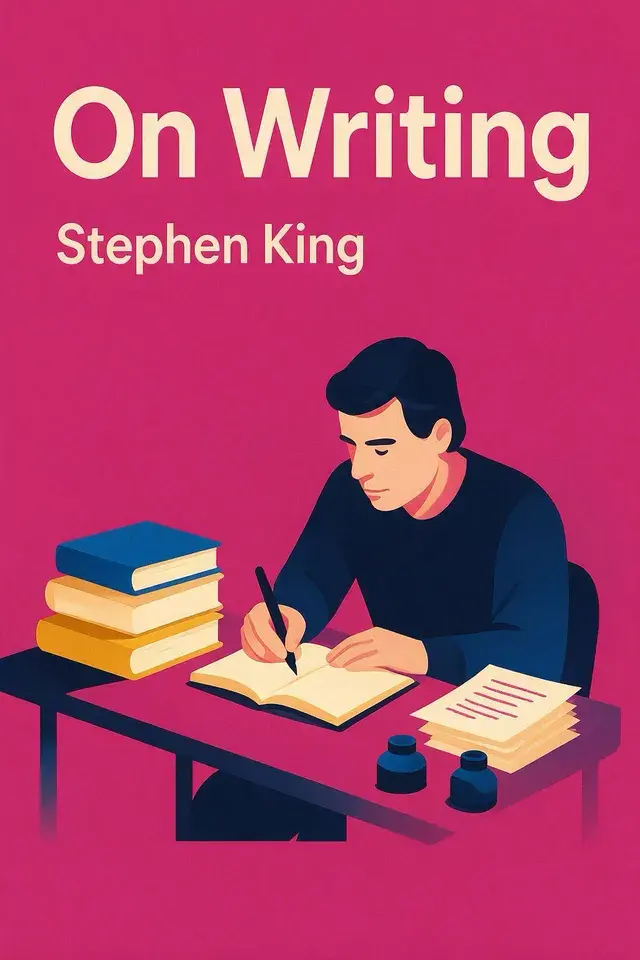
On Writing
On Writing asks what makes a writer and how writing becomes clearer, truer, and more effective. Stephen King combines memoir with practical guidance on reading, practice, language, story, revision, publishing, addiction, recovery, and the place of art within a full life.
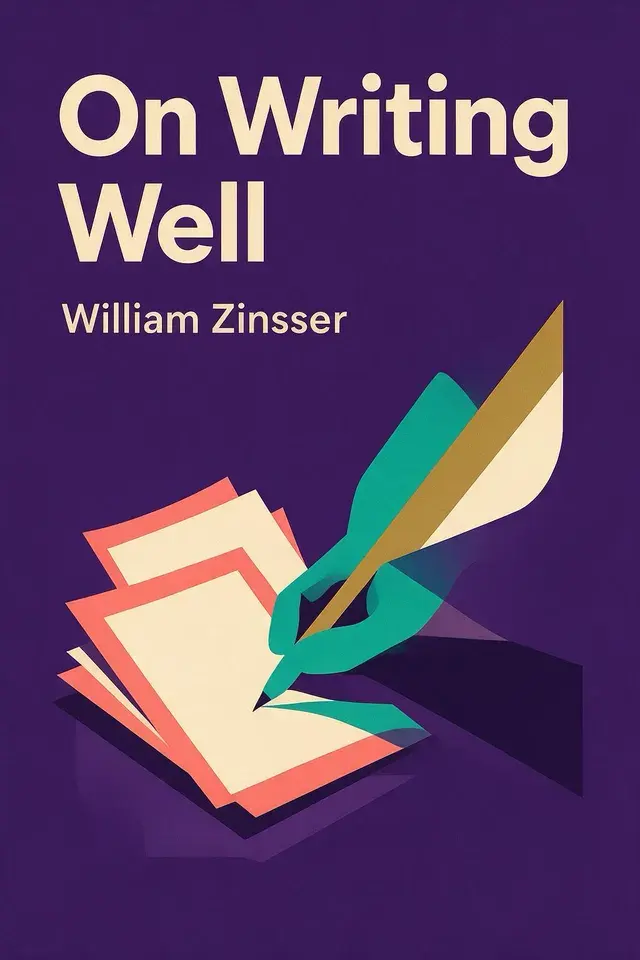
On Writing Well
How can nonfiction make facts, places, institutions, memories, science, sport, art, and humor clear and alive? William Zinsser presents writing as a human craft: think clearly, choose precise words, shape the reader’s journey, report fairly, revise hard, and bring genuine curiosity to every subject.

Open
Open asks how a life built around a game can become a life chosen on one’s own terms. Through Andre Agassi’s father-driven childhood, rebellion, injuries, rivalries, collapse, comeback, family, and school, it traces how discipline and love turn competitive success into service—and how retirement changes, rather than ends, that work.

Originals
Originals asks how people can challenge defaults, develop ideas that are both novel and useful, and persuade others to adopt them. It connects creativity with risk management, timing, coalition-building, family influence, organizational dissent, and emotional regulation, offering a practical framework for turning unconventional thinking into durable change.
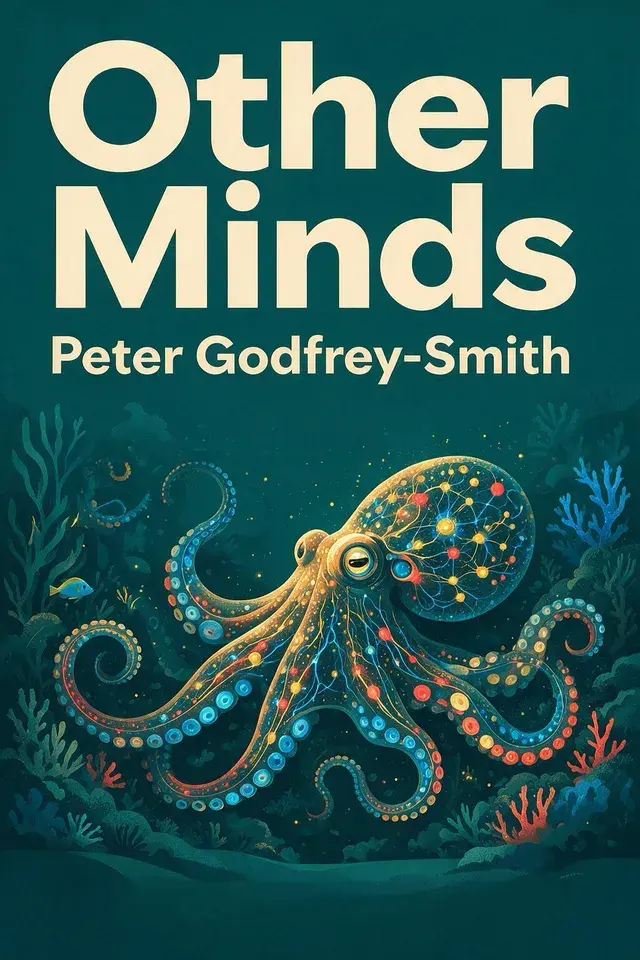
Other Minds
Other Minds asks how subjective experience emerged from living matter and what cephalopods reveal about minds built along a separate evolutionary path. It traces sensing, nervous systems, embodiment, consciousness, communication, language, aging, and social ecology, offering a comparative way to understand intelligence without assuming one human-like design.
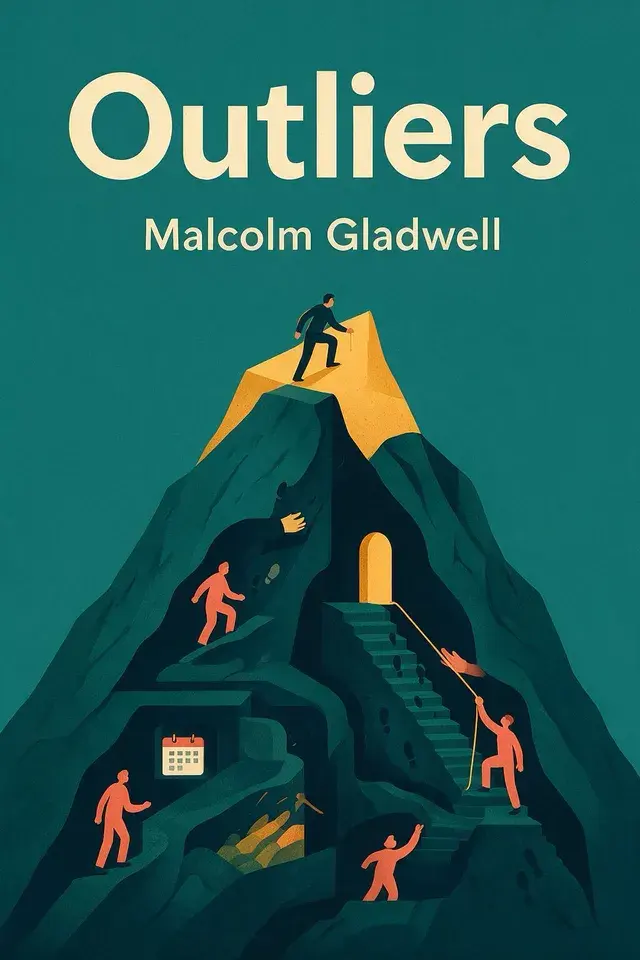
Outliers
Outliers asks why exceptional success is rarely self-made. Moving from Roseto and hockey birth dates to musicians, lawyers, pilots, mathematicians, KIPP students, and a Jamaican family history, it traces how practice, timing, culture, institutions, and inherited opportunity shape achievement—and why redesigning those conditions can widen who gets to flourish.

Outlive
Outlive asks how to extend not only lifespan but the years of physical, cognitive, and emotional capability. Its framework links chronic-disease prevention, metabolic and cardiovascular risk, exercise, nutrition, sleep, and emotional health, then turns uncertain science into individualized choices for changing the trajectory of aging.

Packing for Mars
Packing for Mars asks how humans can remain alive, capable, and psychologically intact beyond Earth. Mary Roach follows astronaut selection, confinement, weightlessness, motion sickness, impact survival, chronic bodily changes, reproduction, escape, toilets, and food to show that spaceflight is the redesign of ordinary needs under extreme constraints.
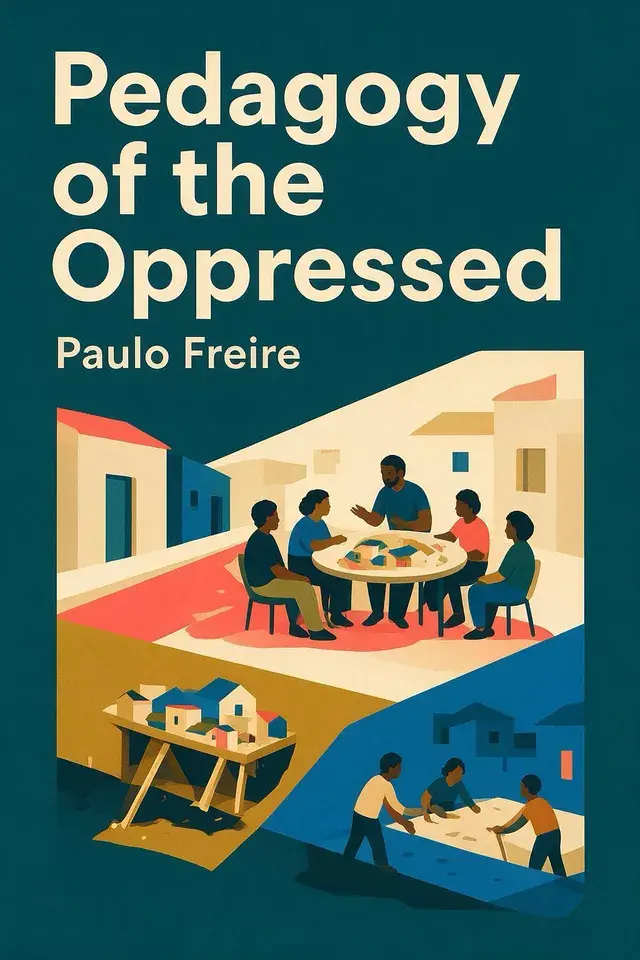
Pedagogy of the Oppressed
How can education help people recognize and transform oppression rather than reproduce it? Paulo Freire develops a hopeful, dialogical practice rooted in lived experience, rigorous inquiry, and collective action. This summary follows the movement from internalized domination to critical consciousness, democratic teaching, solidarity, and the continual reinvention of power.

Pensées
How can people hunger for truth and happiness yet remain restless, divided, and unable to secure either? Pascal’s unfinished Pensées examines the limits of reason, the distortions of self-love and society, and the Christian answer in Christ, grace, Scripture, and the Church—clarifying how doubt, faith, and moral transformation fit together.
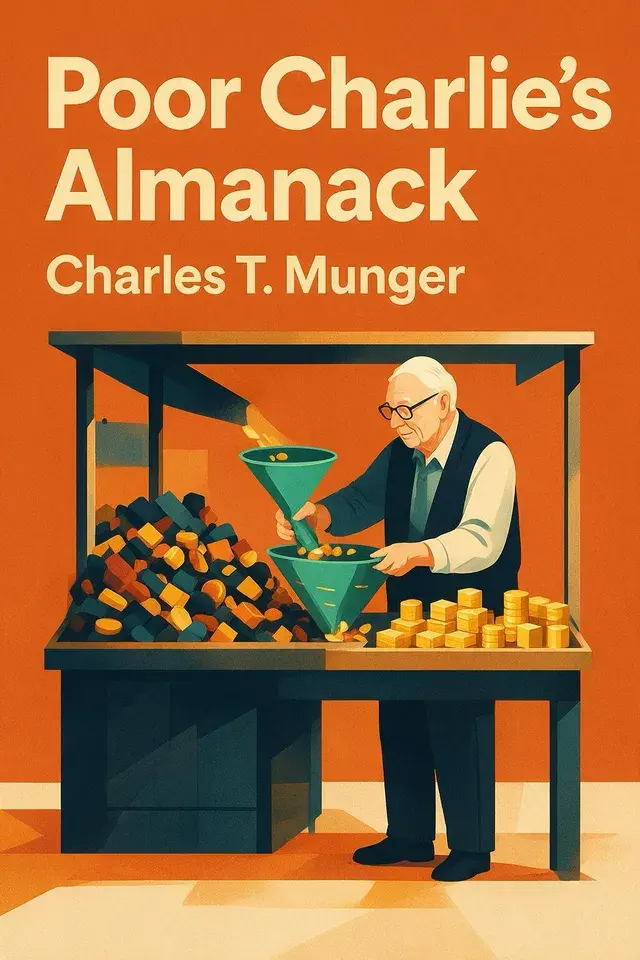
Poor Charlie's Almanack
Poor Charlie’s Almanack distills Charles T. Munger’s thinking on rationality, investing, psychology, incentives, ethics, and lifelong learning. It asks how people can make sound decisions in complex human systems, then offers practical value through mental models, checklists, inversion, disciplined avoidance, and patient action when favorable opportunities appear.