Books worth understanding, not just finishing.
Explore 475 carefully structured nonfiction summaries. Start with the central argument, keep the useful ideas, then decide what deserves a full read.
All book summaries
King: A Life
King: A Life follows Martin Luther King Jr. from an Atlanta family and Black church world into Montgomery’s boycott, the national civil-rights struggle, and final campaigns against poverty and war. It asks how Christian nonviolence became political leverage—and why legal victories left structural racism, violence, and private contradiction unresolved, clarifying the distance between symbolic triumph and lived freedom.

Lean In
Lean In examines why women remain underrepresented in leadership despite expanded opportunity, then asks how confidence, career choices, shared domestic responsibility, workplace design, and collective action can change that pattern. It offers a practical lens for pursuing meaningful goals while recognizing bias, unequal care, and limits on individual choice.
Leonardo da Vinci
Leonardo da Vinci follows how an illegitimate, largely self-taught artist became a painter, engineer, anatomist, and natural philosopher. Its central question is how curiosity turns into discovery—and why the same imagination that generated cross-disciplinary connections also left works unfinished. The value is a model of observation, experimentation, and interdisciplinary thinking tempered by evidence.

Letters from a Stoic
Seneca’s letters ask how to become free and happy when time, Fortune, pain, status, friendship, and death remain unavoidable. They develop Stoic answers through virtue, nature, self-examination, simplicity, disciplined study, courage, and humane fellowship—turning philosophy from abstract doctrine into a practice of living.
Life 3.0
Life 3.0 asks how increasingly capable artificial intelligence could alter work, power, war, human purpose, consciousness, and the long-term future of life. It explains why intelligence can arise in many physical substrates, compares possible post-AGI futures, and offers concepts for choosing safer, more flourishing outcomes.

Lifespan
Lifespan asks whether aging must be accepted as inevitable or can be treated at its biological source. David Sinclair links healthspan to a stress-response network and epigenetic information, then examines lifestyle, drugs, reprogramming, precision medicine, and the social choices needed to make longer lives healthier, fairer, and sustainable.
Linchpin
Linchpin examines how work changes when obedience and routine become easy to replace: what makes a person genuinely indispensable? It connects creativity, emotional labor, generosity, judgment, and the discipline of shipping to practical choices about contribution, fear, relationships, and meaningful work.
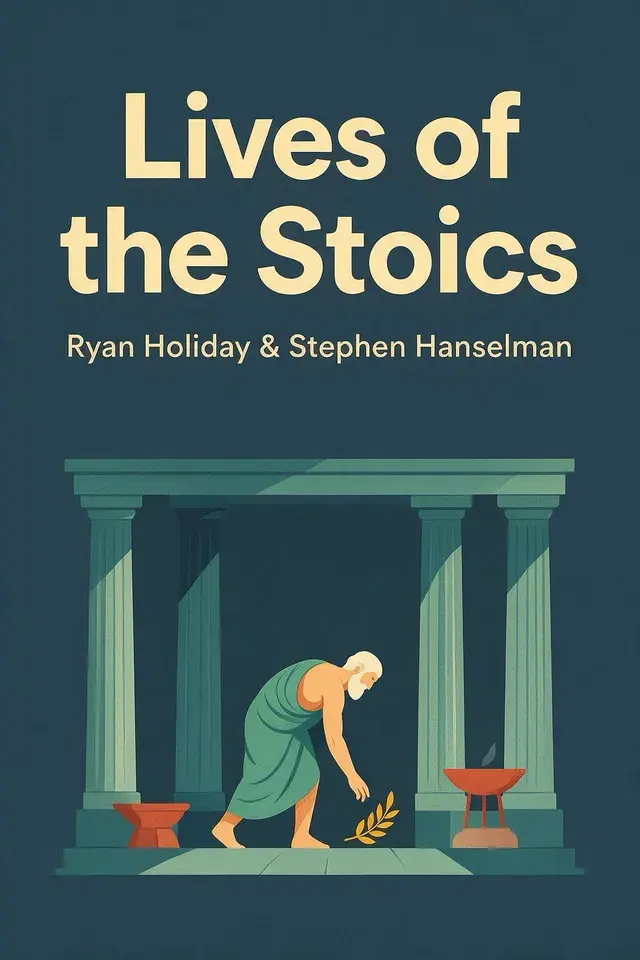
Lives of the Stoics
How does Stoicism look when tested by real lives rather than abstract maxims? Lives of the Stoics follows Greek and Roman thinkers, advisers, dissenters, exiles, and rulers through ambition, grief, political violence, and death, showing how virtue becomes practical judgment, public duty, inner freedom, and an ongoing practice of self-correction.
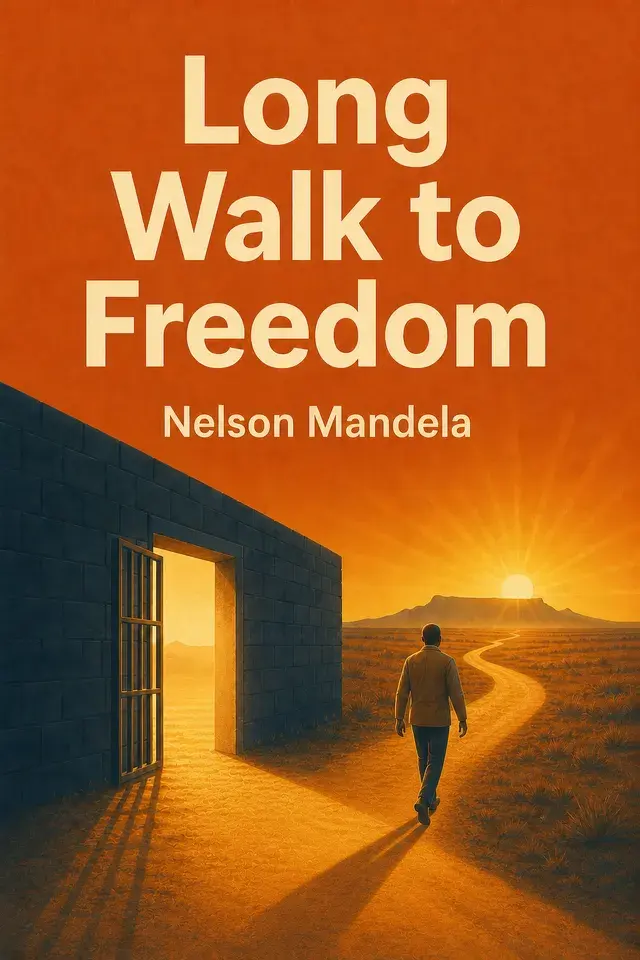
Long Walk to Freedom
Nelson Mandela traces how a rural Thembu upbringing, colonial education, legal work, organized resistance, imprisonment, and negotiation shaped a struggle against apartheid. The central question is how a movement should adapt when nonviolence, sabotage, compromise, and reconciliation each carry moral and strategic costs—and what freedom demands after political victory.

Loonshots
Loonshots examines why unconventional ideas are dismissed, mishandled, or transformed into breakthroughs. It asks how organizations can protect fragile product and strategy innovations while still executing established work. The book's value is a systems-based way to diagnose false failures, design incentives, and build conditions in which experimentation can survive and scale.

Lost Connections
Lost Connections asks why depression and anxiety are so often treated as chemical problems when distress may also signal broken ties to work, people, values, safety, status, nature, or the future. It weighs biological evidence and considers reconnection—through care, community, meaningful activity, and social change—as part of recovery.
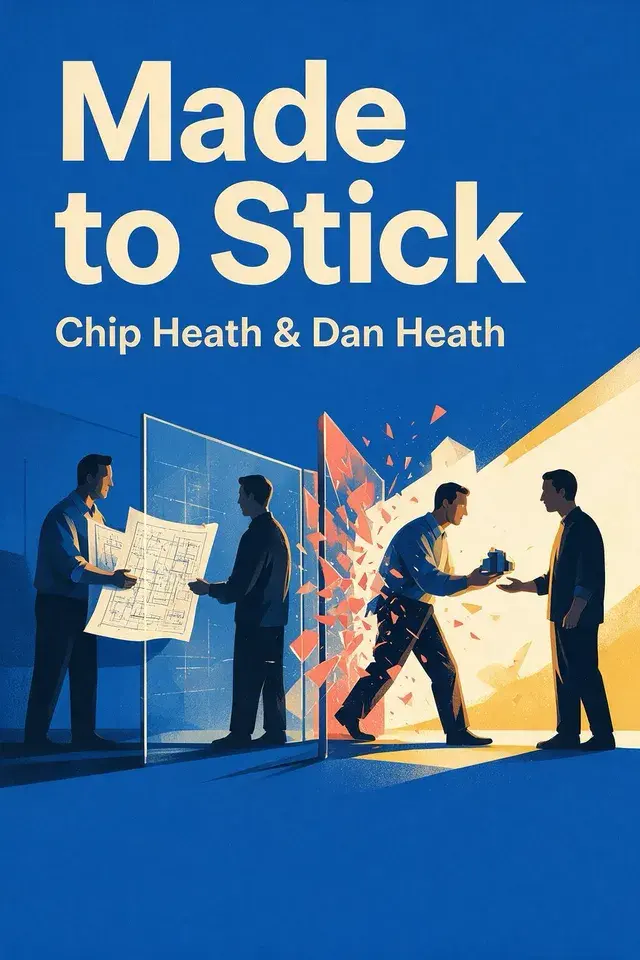
Made to Stick
Made to Stick asks why some ideas survive communication while others vanish, and whether truthful messages can be designed to be understood, remembered, believed, and acted on. It presents six complementary tools—simplicity, surprise, concreteness, credibility, emotion, and stories—while diagnosing the Curse of Knowledge that makes experts hard to understand.
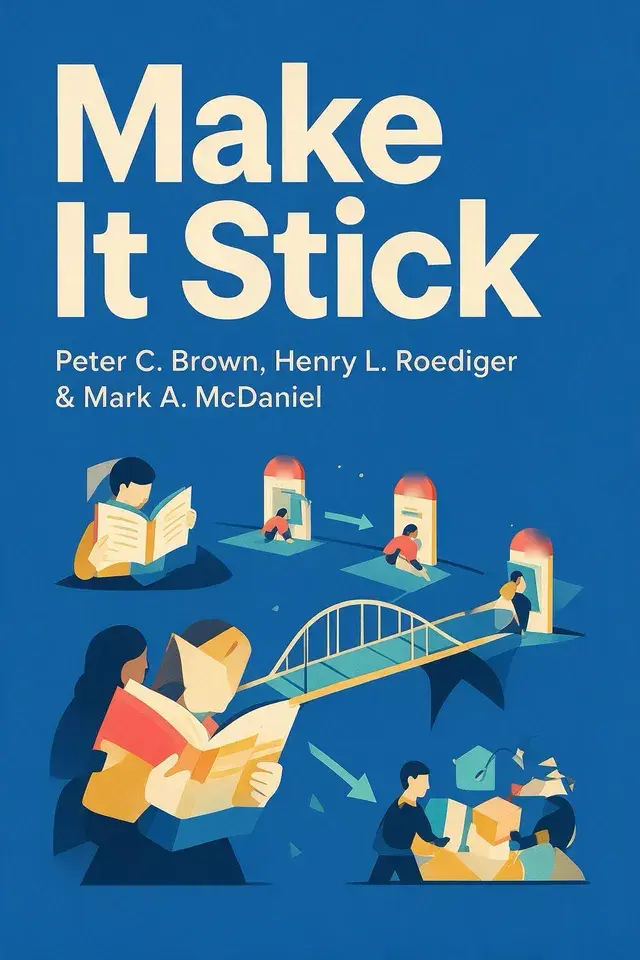
Make It Stick
Make It Stick asks why rereading, cramming, and other fluent-feeling habits produce fragile learning, and how retrieval, spacing, varied practice, reflection, feedback, and calibrated self-testing build durable knowledge. It connects memory research to classrooms, professional training, and everyday mastery, giving learners a framework for knowledge that transfers.
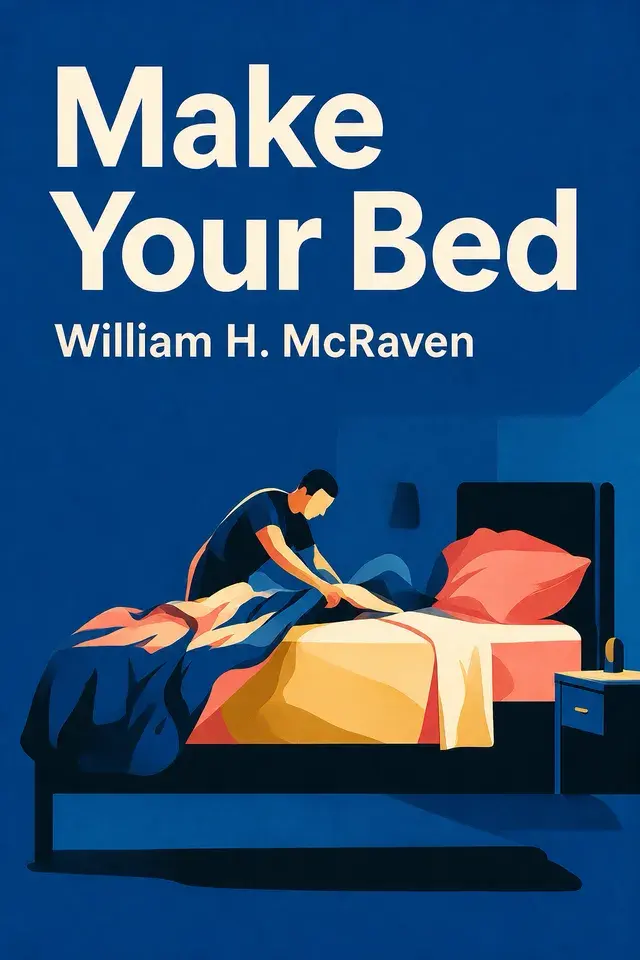
Make Your Bed
Make Your Bed asks how disciplined daily actions can help a person face unfairness, failure, fear, and hardship. Drawing on William H. McRaven’s military experience, it connects small routines with teamwork, resilient character, calculated courage, hope, and persistence, offering a practical framework for turning setbacks into forward motion.

Man's Search for Meaning
Viktor Frankl combines a witness account of concentration-camp life with an introduction to logotherapy. The book asks what can remain meaningful when freedom, identity, and security are stripped away, and shows how purpose, love, responsibility, and one’s attitude toward unavoidable suffering can guide action without denying chance, loss, or human limits.
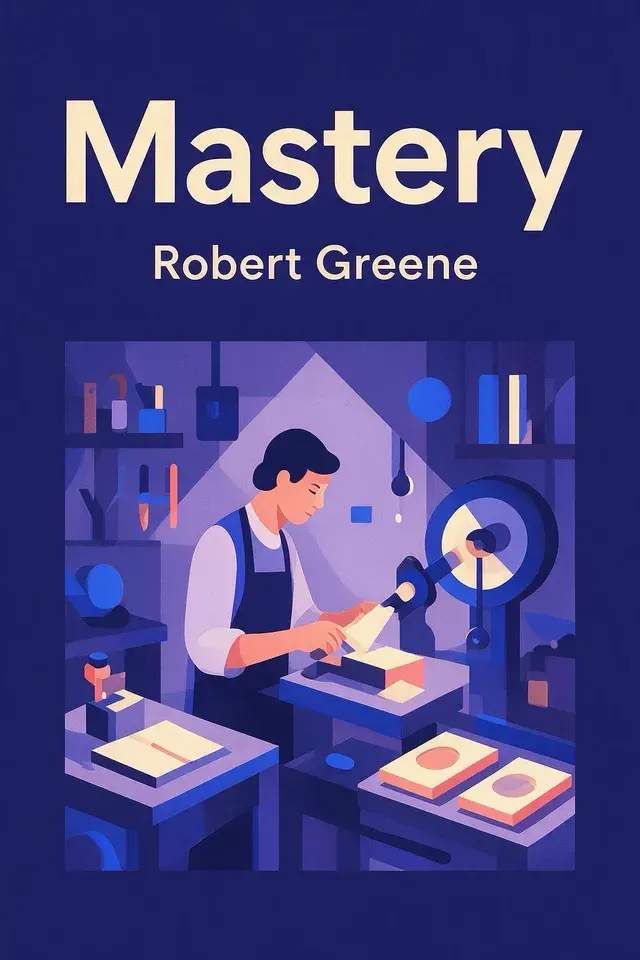
Mastery
Mastery asks how ordinary human capacities become exceptional judgment and original work. Robert Greene follows the path from recognizing a personal calling, through apprenticeship and social learning, to creative independence and intuitive command. The summary shows what each stage demands, what derails it, and why mastery remains a lifelong practice.

Mating in Captivity
Mating in Captivity examines why affection, security, and domestic closeness can coexist with—and sometimes dampen—erotic desire. It asks how committed partners can preserve autonomy, mystery, play, and pleasure without abandoning trust, offering a framework for understanding intimacy, parenthood, fantasy, power, and fidelity.
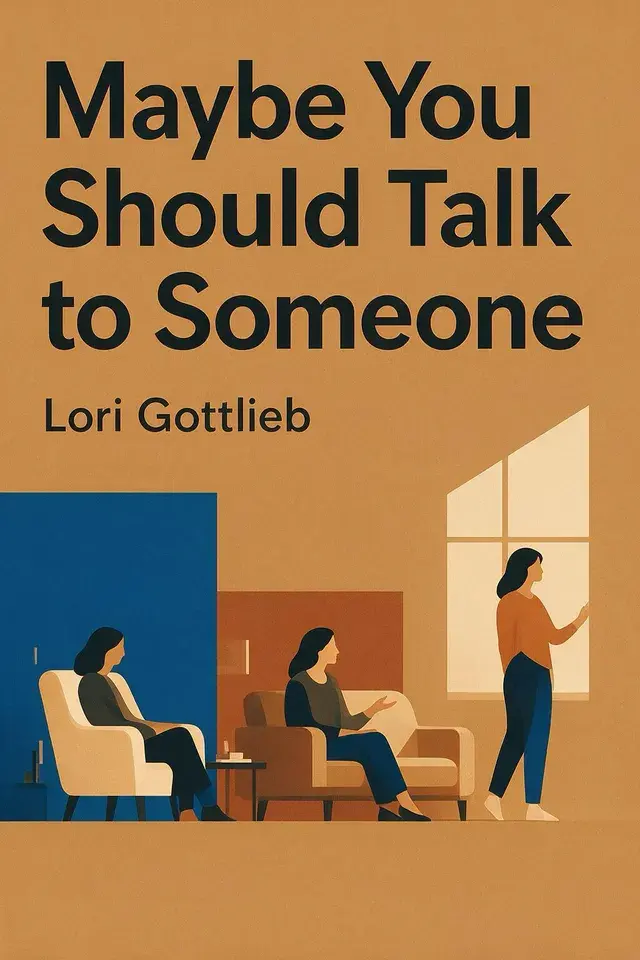
Maybe You Should Talk to Someone
Lori Gottlieb asks how people change, using her own therapy after a breakup and stories of patients facing grief, illness, addiction, family conflict, and mortality. The book argues that honest relationship, self-understanding, responsibility, and openness to uncertainty can loosen defensive patterns and help people live meaningfully with what cannot be undone.