Loading the reading path…
Wiseley is resolving the current published collection from the catalog.
Wiseley is resolving the current published collection from the catalog.
Explore schooling, autonomy, learning, and the social conditions that shape education.
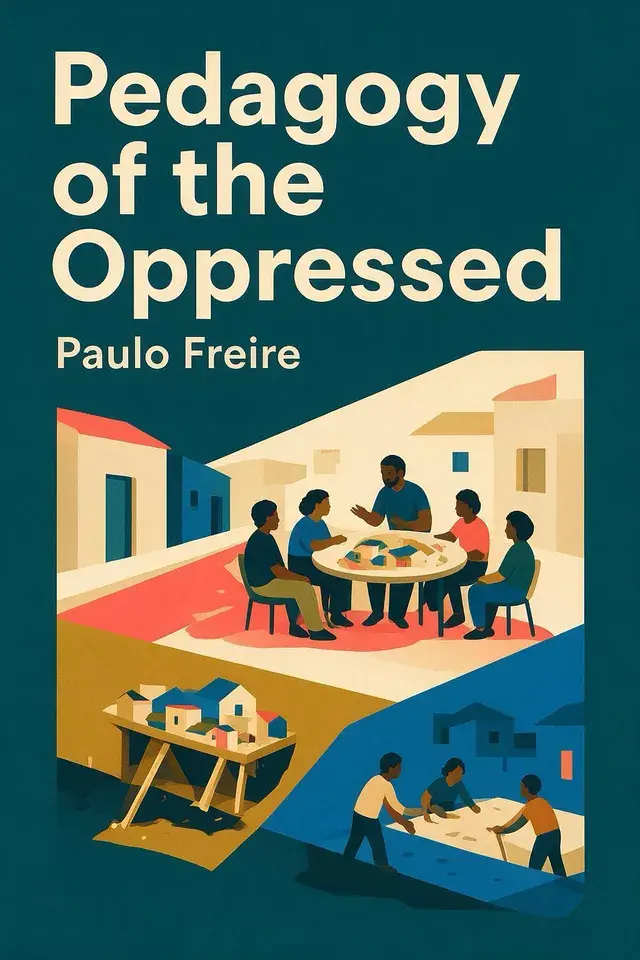
How can education help people recognize and transform oppression rather than reproduce it? Paulo Freire develops a hopeful, dialogical practice rooted in lived experience, rigorous inquiry, and collective action. This summary follows the movement from internalized domination to critical consciousness, democratic teaching, solidarity, and the continual reinvention of power.
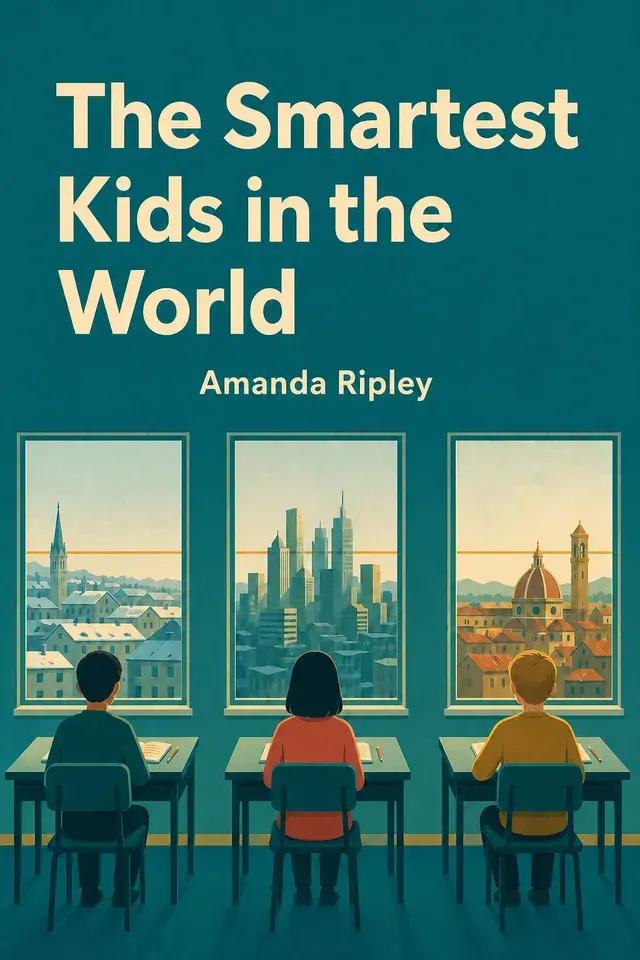
Amanda Ripley compares schools in the United States, Finland, South Korea, and Poland to ask why some systems teach nearly all students to think critically while others spend heavily yet leave many unprepared. The book traces the answer through teachers, family habits, peer culture, equity, and meaningful consequences, then offers a practical lens for judging schools.
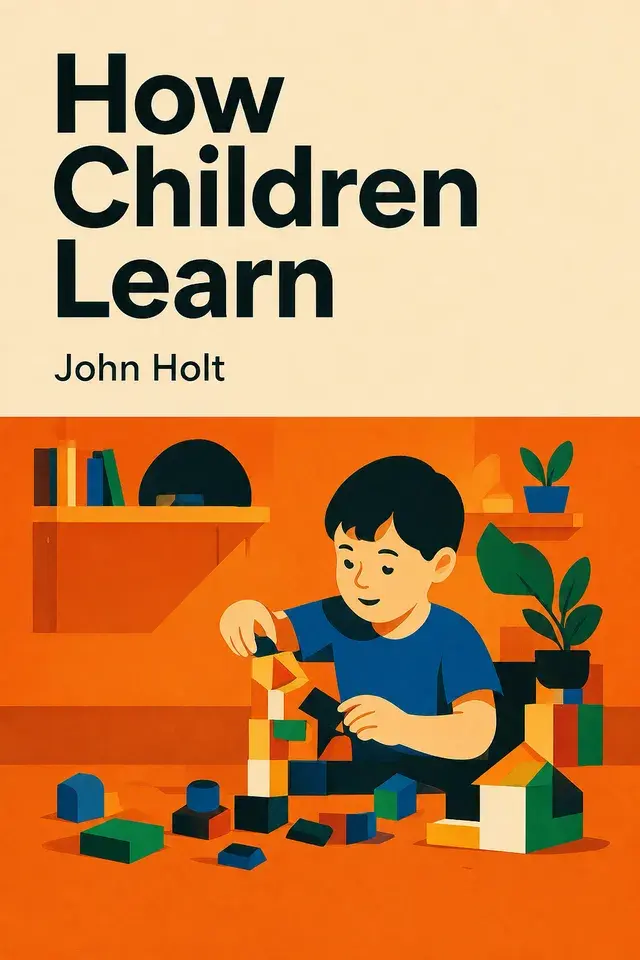
How Children Learn examines how children build understanding through curiosity, play, language, reading, hands-on work, and imagination. Its central question is whether education should direct them toward fixed skills or protect their own investigations. The book offers a way to observe learners, reduce fear, and support independent judgment.