Books worth understanding, not just finishing.
Explore 987 carefully structured book summaries. Discover the central ideas and themes, then decide what deserves a full read.
All book summaries
The Devil in the White City
Erik Larson’s history follows architect Daniel Burnham and murderer H. H. Holmes through Chicago’s creation of the 1893 World’s Columbian Exposition. It asks how a city can stage beauty, order, and progress while anonymity, exploitation, and violence persist beneath the spectacle—and what survives when the dream disappears.

The Dharma in DNA
Dee Denver asks whether Buddhist teachings of impermanence, non-self, and dependent arising can be examined through DNA, and where scientific testing reaches its limits. Moving from Buddhist accounts of suffering and emptiness through molecular biology, inheritance, and social identity, the book proposes a more self-aware scientific practice shaped by compassion.
The Diary of a CEO
Steven Bartlett's book asks how people can build greatness that survives changing strategies. It connects self-mastery, learning, belief change, habits, health, attention, experimentation, time, delegation, culture, and leadership into a practical account of how durable progress is created—and how to keep correcting course.

The Diary of a Young Girl
Anne Frank’s diary asks how a young person can preserve identity, intimacy, moral judgment, and hope while living in hiding under persecution. Its value lies in showing both the practical systems of survival and the inner work required to remain human within prolonged fear and confinement.

The Diet Compass
What makes a diet healthy, satisfying, and sustainable for a particular person? Bas Kast examines how protein, carbohydrates, fats, and meal timing affect appetite, metabolism, and ageing. His framework connects food quality with individual responses, offering practical ways to choose foods while distinguishing promising mechanisms from established findings.

The Disappearing Spoon
Sam Kean uses the periodic table to ask how atomic structure becomes the chemistry of stars, bodies, technologies, money, art, and war—and how human judgment shapes what science knows. The resulting map helps readers connect chemical effects to practical consequences while keeping disputed evidence, danger, and uncertainty in view.
The Double Helix
James D. Watson’s memoir traces the race to explain DNA’s structure: how did fragmentary diffraction evidence, chemical clues, model building, rivalry, and collaboration converge on the double helix—and what do later disputes over credit and memory reveal about scientific discovery? The summary preserves both the reasoning and its human limits.
The Drunkard's Walk
Why do streaks, success, and apparent patterns feel earned or inevitable when chance may be doing much of the work? The book uses probability and statistics to separate skill, evidence, and cause from random variation—and to support more careful decisions, persistence, and adaptation under uncertainty.
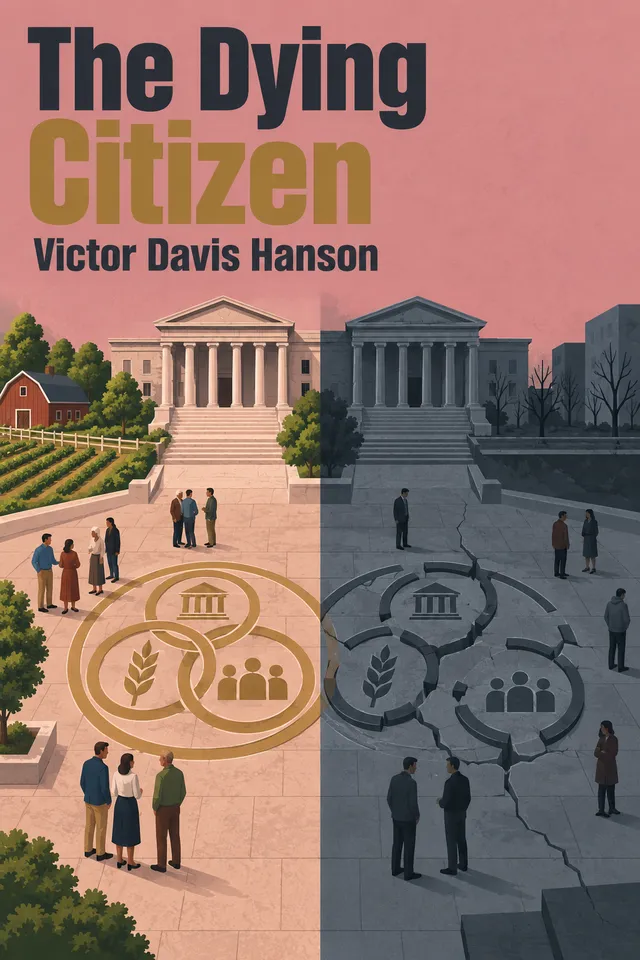
The Dying Citizen
Victor Davis Hanson’s book asks what sustains citizenship when economic independence, common law, shared identity, and national self-government come under strain. It traces those pressures through immigration, group politics, bureaucracy, constitutional disputes, and globalization, offering a historically framed account of civic vulnerability and the habits of participation Hanson sees as necessary for renewal.
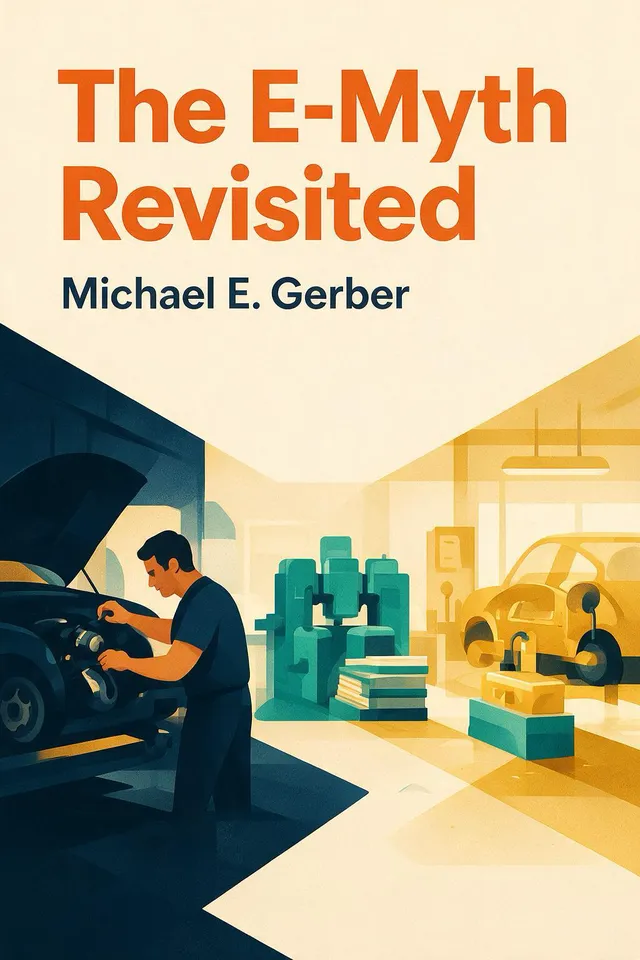
The E-Myth Revisited
Why do skilled technicians who start small businesses so often become trapped by work they once loved? The book answers by treating the business as a designed system: define the life and customer promise first, then build repeatable people, marketing, and operating practices that let the company grow beyond its owner.
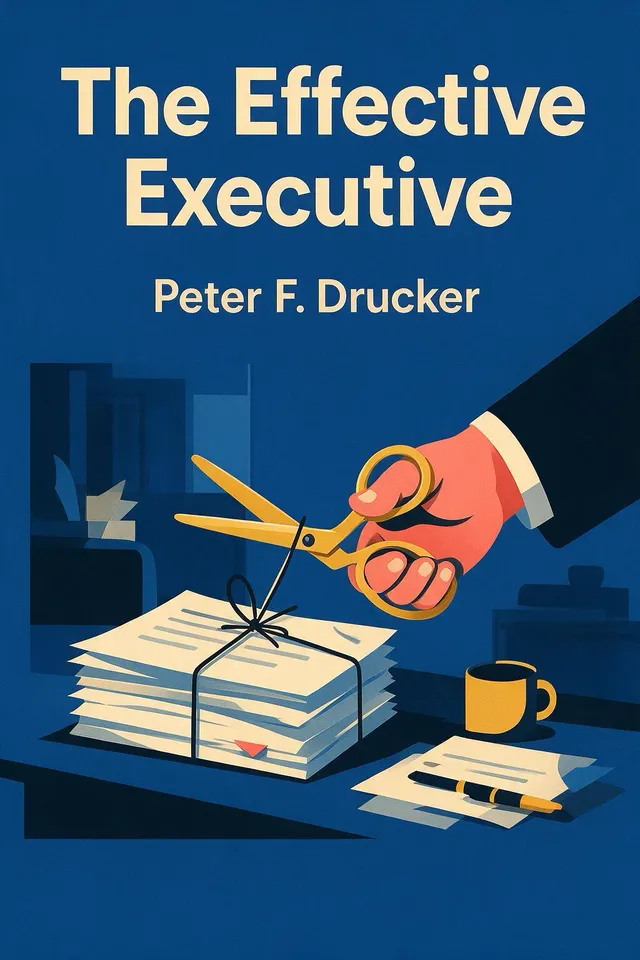
The Effective Executive
Peter F. Drucker asks how people in knowledge organizations can turn scarce time, specialized knowledge, and distributed responsibility into results. He presents effectiveness as a learnable discipline of contribution, strength, concentration, and decision-making, and connects it to organizational renewal, knowledge-worker productivity, and personal fulfillment.
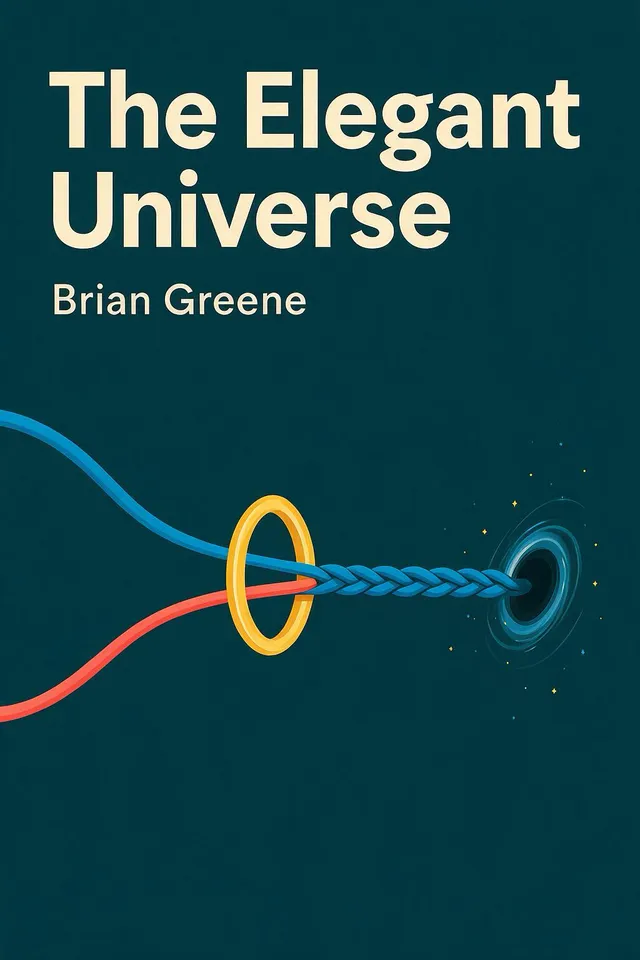
The Elegant Universe
An audio-first guide to modern physics, centered on one question: can a single framework reconcile quantum mechanics with relativity? It follows strings, extra dimensions, dualities, black holes, and cosmology, clarifying the theory’s explanatory reach alongside its unresolved predictions and tests.

The Emperor of All Maladies
The Emperor of All Maladies traces cancer from ancient descriptions and cellular theories through surgery, chemotherapy, prevention, epidemiology, and targeted treatment. It asks why a disease rooted in normal growth remains so difficult to defeat, and shows how evidence, patient experience, public policy, and humility shape better care.

The Everyday Hero Manifesto
Robin Sharma’s The Everyday Hero Manifesto asks how ordinary people can develop their abilities and use them well. It connects self-mastery with emotional honesty, disciplined work, courage, resilience, and service, offering practical ways to direct attention, build skill, define wealth, and make a meaningful life.

The Extended Mind
Annie Murphy Paul asks why thinking should be treated as brainbound when bodily signals, movement, natural and built spaces, external representations, and other people can participate in cognition. The book offers a practical framework for improving judgment, attention, learning, creativity, expertise, and collective problem-solving by designing these extensions deliberately.
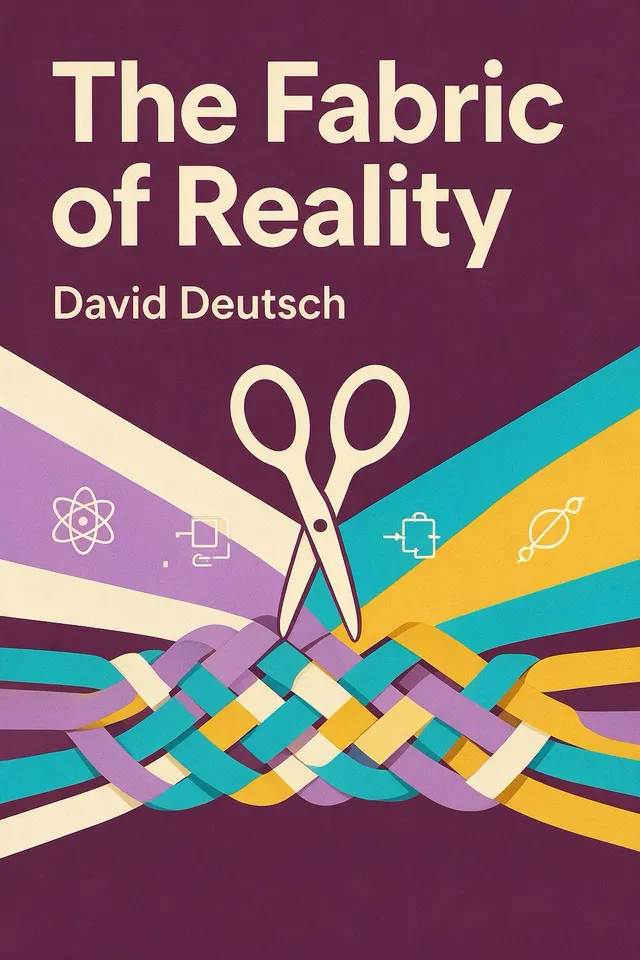
The Fabric of Reality
The Fabric of Reality asks how a unified account of quantum physics, computation, evolution, and knowledge can explain what is real, how understanding grows, and how time and life fit together. Its value is a cross-disciplinary framework for judging explanations, limits, possibilities, and human agency.

The FALCON Method
The FALCON Method asks how investors can build long-term wealth by owning durable businesses at attractive prices while staying invested through market cycles. It offers a practical process for judging cash generation, dividends, valuation and capital allocation, then turning strong candidates into a diversified portfolio.
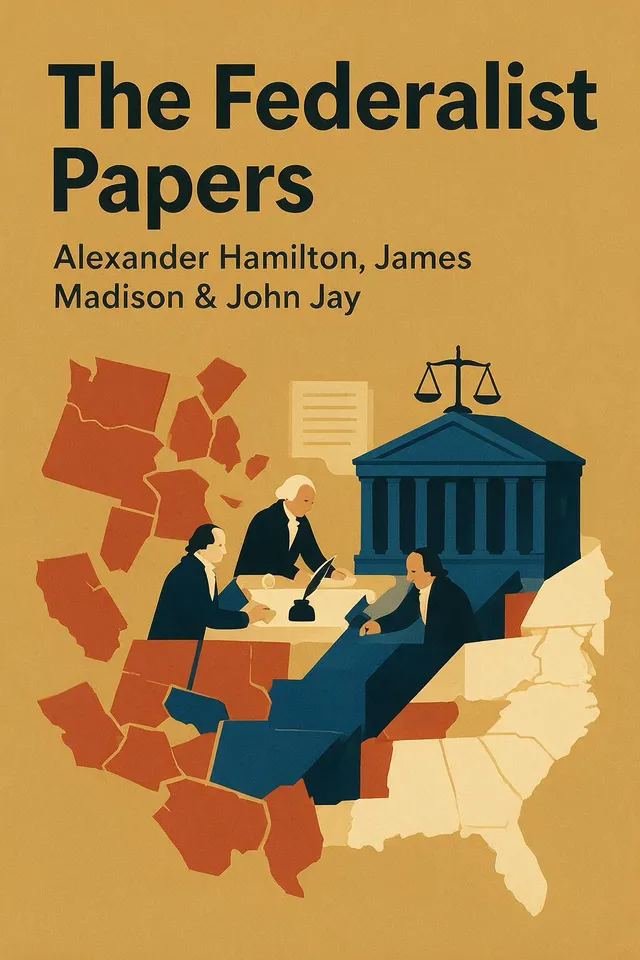
The Federalist Papers
The Federalist Papers asks how a free people can preserve union without giving government enough power to destroy liberty. It traces the dangers of disunion, defends national capacity, and explains representation, executive energy, judicial independence, and checks and balances. The appended founding documents sharpen the constitutional framework these essays defend.