Books worth understanding, not just finishing.
Explore 475 carefully structured nonfiction summaries. Start with the central argument, keep the useful ideas, then decide what deserves a full read.
All book summaries

Set Boundaries, Find Peace
Set Boundaries, Find Peace asks how people can protect time, well-being, and relationships without withdrawing from connection. It traces overwhelm, resentment, burnout, and conflict to unclear limits, then offers a practical sequence—notice the need, say it directly, tolerate discomfort, and follow through—in family, romance, friendship, work, and digital life.
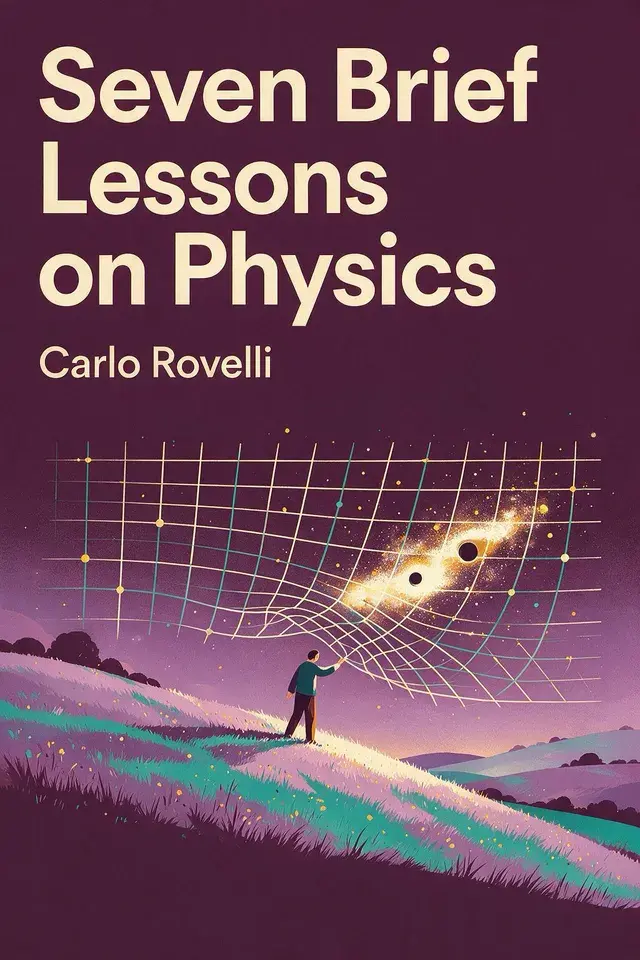
Seven Brief Lessons on Physics
An accessible tour of how modern physics unsettles ordinary ideas about space, time, matter, and the self. It asks what reality means when spacetime curves, quantum behavior is probabilistic, and time’s direction arises from heat and probability, then considers how consciousness, value, and curiosity fit within nature.

Shoe Dog
Shoe Dog follows Phil Knight from a Stanford paper about importing Japanese running shoes through Nike’s public debut and his later reckoning with the company’s cost. It asks how a fragile, debt-dependent venture survives unreliable partners, legal and regulatory threats, flawed products, and family strain—and what persistence, luck, trust, and judgment can teach about meaningful work.

Silent Spring
Silent Spring examines what happens when modern societies use persistent chemicals to control pests without accounting for ecological interdependence. It asks whether short-term control justifies risks to water, soil, wildlife, human health, and future generations, and points toward selective, biological, and ecologically informed alternatives.
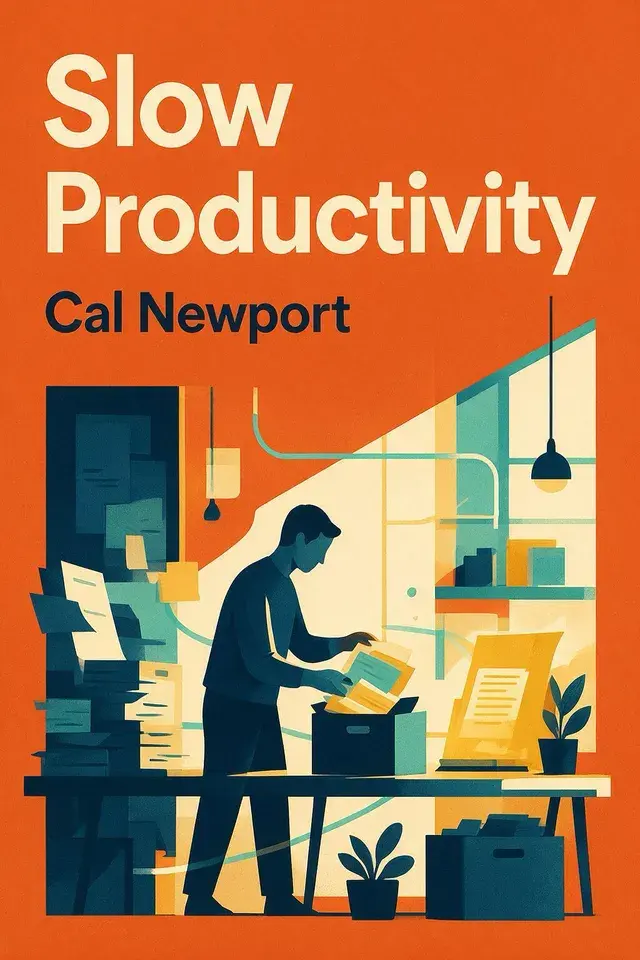
Slow Productivity
Slow Productivity examines why knowledge work turns visible busyness into a false measure of value, and asks how ambitious people can produce meaningful results without permanent overload. It develops three principles—do fewer things, work at a natural pace, and obsess over quality—then turns them into adaptable practices.
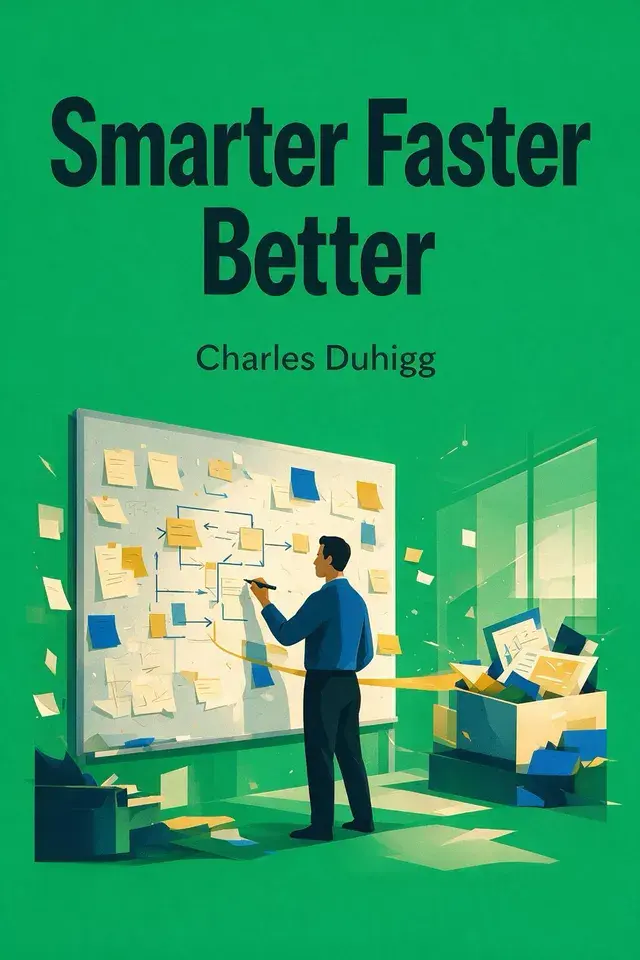
Smarter Faster Better
Smarter Faster Better asks how people and organizations can achieve meaningful results without equating productivity with busyness or sacrifice. Through cases in motivation, teamwork, focus, goals, management, decisions, innovation, and data use, it shows how choice, mental models, trust, uncertainty, creative recombination, and active learning shape better work and life.
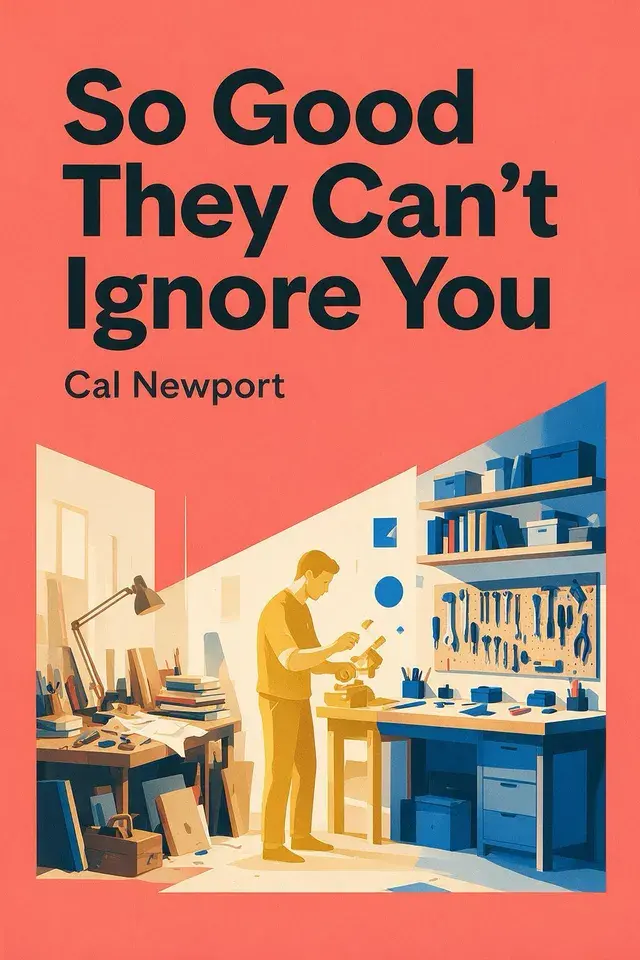
So Good They Can't Ignore You
Why do satisfying careers so often emerge without a clear calling? Cal Newport challenges passion-first advice and traces a practical sequence: develop rare skills, accumulate career capital, exchange it for sustainable control, and test meaningful missions through patient experiments. The framework clarifies how to work toward better work.

Sophie's World
Sophie’s World follows a girl’s introduction to philosophy, from wonder and myth through science, religion, ethics, and existentialism, while a mystery unsettles the boundary between reality and fiction. It asks how to think and live when inherited answers are incomplete, connecting personal freedom with cosmic wonder.

Spare
Spare is Prince Harry’s memoir of growing up as the “spare,” losing his mother, seeking purpose through military and humanitarian work, and leaving royal life with Meghan. It asks how inherited roles, grief, media power, and family loyalty shape identity—and how a person can build a life beyond them.
Spillover
Spillover traces how infections move between animals, people, and altered environments, asking why some cross-species jumps fade while others become epidemics or pandemics. Through Hendra, Ebola, SARS, malaria, Lyme disease, Nipah, influenza, and AIDS, it connects host ecology, evolution, human networks, and public-health preparedness into a way of thinking under uncertainty.
Stamped from the Beginning
Stamped from the Beginning traces how racist ideas were created, revised, and attached to slavery, law, science, culture, and public policy from the colonial era through Black Lives Matter. It asks why racial inequality survives formal progress and offers a framework for distinguishing personal persuasion from institutional change.
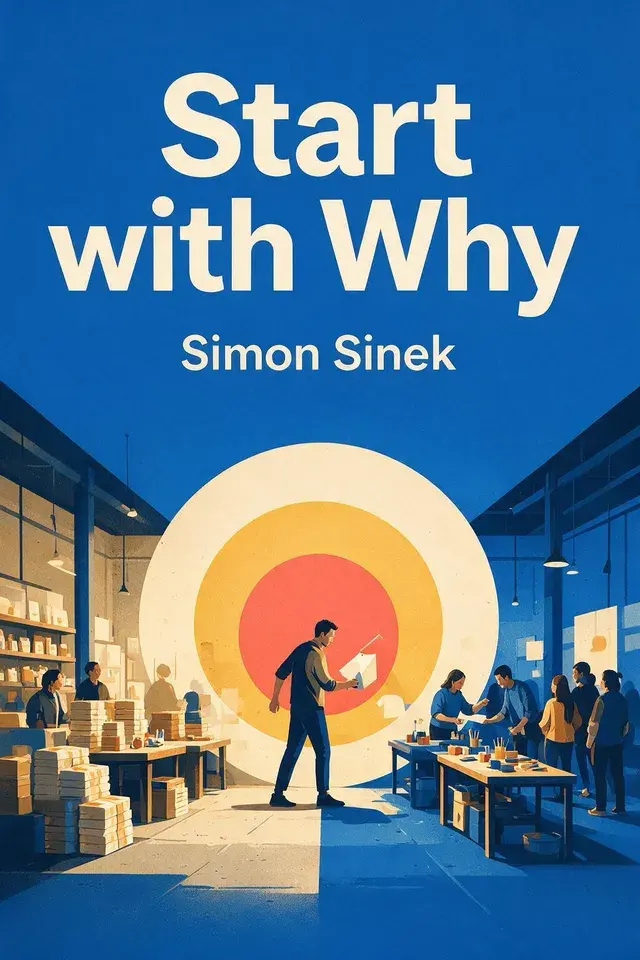
Start with Why
Start with Why asks why some leaders, companies, and movements inspire voluntary loyalty while others depend on short-term manipulation. It introduces the Golden Circle—WHY, HOW, and WHAT—and shows how purpose becomes a practical filter for trust, culture, innovation, communication, succession, and lasting success.
Steve Jobs
Walter Isaacson’s biography follows Steve Jobs from adoption, Silicon Valley, and counterculture through Apple, NeXT, Pixar, and the digital ecosystem. Its central question is how a demanding, often harmful personality joined technology, design, and the humanities to create enduring products—and what such intensity costs collaborators, users, and family.

Stiff
Stiff examines what happens when human remains become tools for anatomy, forensic investigation, injury prevention, transplantation, and funeral practice. Its central question is how usefulness can coexist with consent, dignity, uncertainty, and grief, helping readers see why technical solutions to death are also ethical and cultural choices.
Stillness Is the Key
Ryan Holiday examines stillness as a trainable condition of clear attention, moral steadiness, and embodied balance. How can a person remain calm and effective amid noise, pressure, desire, and uncertainty? The answer connects mental discipline, spiritual practice, relationships, routines, rest, courageous action, and mortality.

Stolen Focus
Stolen Focus asks why modern conditions make sustained attention difficult, and whether the problem is personal weakness or a damaged environment. Johann Hari connects distraction to speed, technology, exhaustion, stress, food, pollution, and constrained childhoods, then pairs practical habits with a case for collective change.
Strangers in Their Own Land
Why do people living with poverty, pollution, and dependence on government sometimes oppose regulation and public programs? Through Louisiana interviews, industrial disasters, and national evidence, Hochschild traces the emotions, histories, faith, and status fears behind this political paradox, then asks how empathy and issue-specific cooperation might reopen democratic conversation.

Stumbling on Happiness
Why do people so often choose futures that fail to make them happy? This book examines how imagination, present emotion, comparison, memory, adaptation, and social beliefs distort forecasts, then considers why another person’s current experience can sometimes predict our own better than private speculation. It clarifies the limits of foresight when choices matter.