Books worth understanding, not just finishing.
Explore 987 carefully structured book summaries. Discover the central ideas and themes, then decide what deserves a full read.
All book summaries
The 7 Habits Of Highly Effective Teens
Sean Covey's guide asks how teenagers can respond to pressure and build a life shaped by their own values. It links personal responsibility, purposeful goals, time choices, mutual trust, empathic listening, teamwork, and renewal, then gives examples and exercises for applying those habits to school, family, and peer relationships.

The 80/20 CEO
Bill Canady presents a process-based system for profitable growth built around 80/20 prioritization, a first-100-days turnaround, and continuing work in strategy, lean, talent, acquisitions, risk, measurement, and feedback. How can leaders focus a complex business on what matters most without overlooking customers, people, or changing conditions? This outline explains the methods, applications, and limits.
The 8th Habit
How can people find meaningful work and help others contribute their full abilities? Stephen Covey connects personal purpose with leadership, tracing how conscience, trust, shared direction, and disciplined execution can turn individual potential into collective contribution. Practical methods address initiative, difficult conversations, organizational systems, and responsible autonomy.

The ADHD Advantage
The ADHD Advantage asks when traits often treated as impairments—such as restlessness, novelty seeking, and intense focus—can support a person’s life, and what conditions help. Dale Archer combines personal accounts with ways to adapt learning, work, exercise, treatment, and relationships while recognizing genuine difficulties.

The Adventures of Huckleberry Finn
Mark Twain’s The Adventures of Huckleberry Finn follows Huck’s first-person journey down the Mississippi with Jim and asks how a boy can judge right and wrong when custom, law, and conscience conflict. Their loyalty and improvisation reveal the human stakes, while comic performances and feuds expose violence within respectable social rules.

The Affluent Society
Galbraith asks what an affluent society should value once private goods are abundant but public needs remain neglected. He traces how scarcity-era economics, manufactured wants, debt, inflation, and investment priorities preserve production as the main test of progress, then argues for poverty relief, education, humane work, public services, and survival.

The Age of AI
The Age of AI examines how machines that learn, discover patterns, and act beyond explicit human rules could change knowledge, platforms, security, and human identity. It asks how people can remain responsible when AI expands capability while obscuring reasoning, and offers a framework for deciding when to partner with, oversee, or limit it.
The Age of Surveillance Capitalism
Shoshana Zuboff asks how digital systems turned everyday experience into a privately owned source of behavioral prediction and influence. This summary follows the model from Google’s extraction of behavioral surplus through smart environments and behavior modification, then examines its effects on autonomy, sanctuary, democracy, and collective resistance.
The Ageless Brain
Why does memory and reasoning change with age, and how much can be influenced before serious impairment? Dale E. Bredesen presents an individualized account of brain aging, connecting metabolic and environmental burdens with monitoring, diet, movement, sleep, and learning, while weighing practical interventions against uncertain evidence.

The Alchemist
An Andalusian shepherd follows a dream of treasure near the Egyptian pyramids, leaving routine for markets, work, desert, danger, and love. The story asks how destiny is recognized and pursued, and what setbacks, attention, courage, and reciprocal connection reveal about the value of a journey whose goal may lie closer than expected.
The Algebra of Wealth
Scott Galloway’s framework asks how people can turn work, restraint, time, and investment into economic security rather than endless consumption. It connects character, career fit, compounding, budgeting, diversification, and tax-aware choices, then returns to the purpose of wealth: preserving options and making more room for relationships and care.
The Almanack of Naval Ravikant
An edited guide to Naval Ravikant’s ideas on building wealth, thinking clearly, cultivating happiness, and living independently. It asks how specific knowledge, leverage, ownership, habits, and inner discipline can turn work into freedom—and where money stops helping. Its value is a framework for testing those claims in one’s own life.
The Analects
The Analects asks how a person becomes humane and how that character can order family, friendship, and government. Its teachings on learning, ritual, judgment, trust, and responsibility show how moral insight becomes daily conduct and public order—an account useful for thinking about character, relationships, and leadership.
The Anarchy
The Anarchy follows the East India Company’s transformation from a trading venture into the power that displaced Mughal authority in India. It asks how finance, local alliances, military force, revenue extraction, and imperial legitimacy made corporate rule possible—and what famine, war, regulation, and resistance reveal about private power.
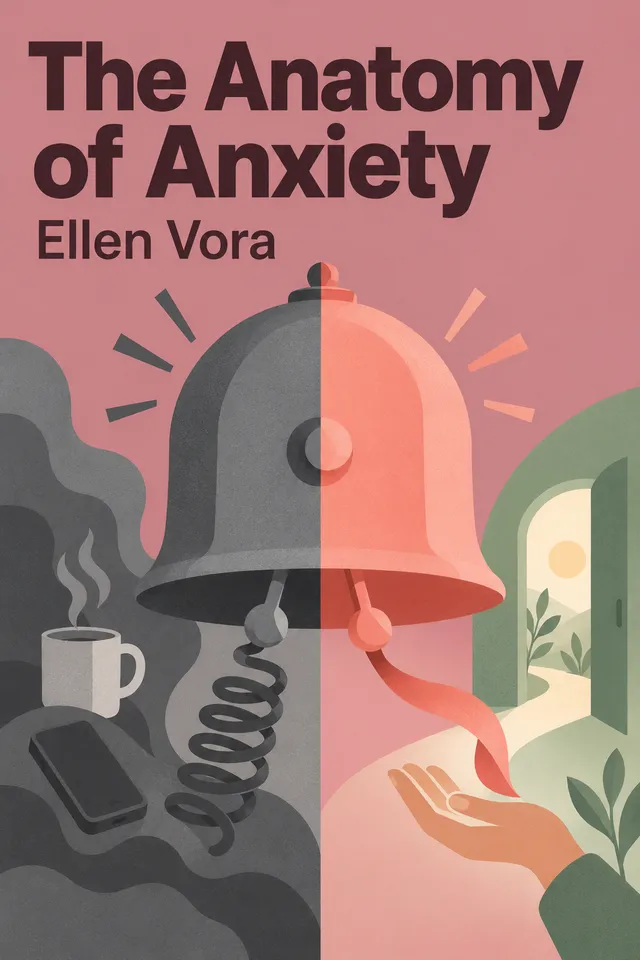
The Anatomy of Anxiety
Ellen Vora asks when anxiety is a bodily stress response and when it signals a deeper problem. She traces how sleep, technology, food, inflammation, hormones, medication, work, and relationships shape distress, then considers practical ways to regulate the body, listen inward, reconnect, and face uncertainty.

The Answer Is a Question
Laura Ashley-Timms asks how managers can help people solve problems and improve results without becoming the source of every answer. The book introduces STAR® Operational Coaching: pause, judge whether coaching fits, ask genuine questions, listen, and agree on action. Its practical methods connect individual habit change to stronger team capability and reported workplace outcomes.
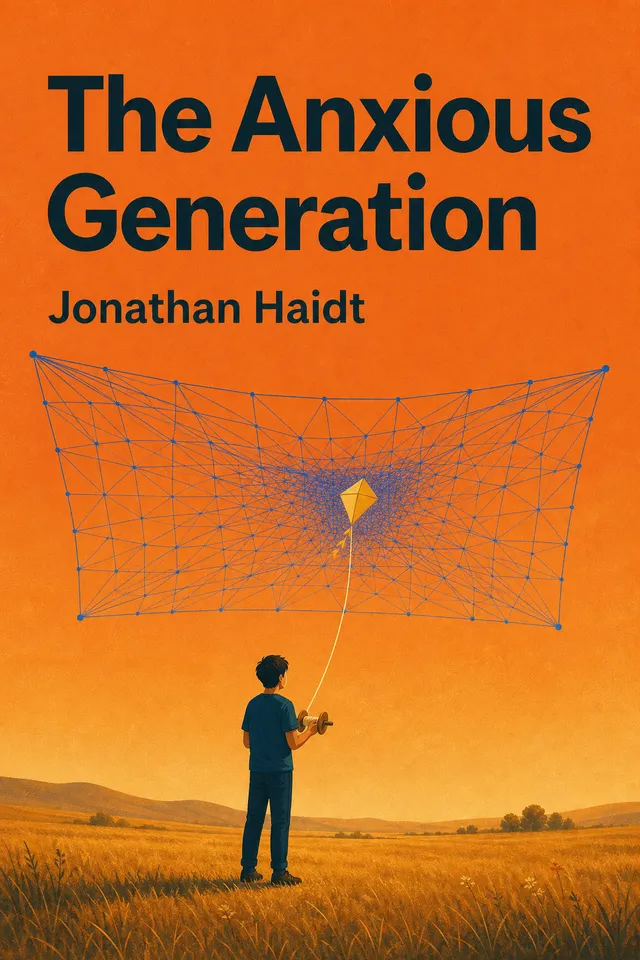
The Anxious Generation
Why did adolescent anxiety, depression, self-harm, and disconnection rise as childhood moved from free play toward smartphones? Jonathan Haidt examines the developmental tradeoffs behind that shift, distinguishes girls’ and boys’ pathways, and proposes coordinated ways for families, schools, governments, and technology companies to restore play, independence, community, and healthier digital boundaries.

The Argument Hangover
Why can a disagreement end while the hurt continues? Jocelyn and Aaron Freeman examine the emotional aftermath of couple conflict and offer ways to recognize triggers, prepare for difficult conversations, listen with greater clarity, and repair connection while respecting differences.