Books worth understanding, not just finishing.
Explore 475 carefully structured nonfiction summaries. Start with the central argument, keep the useful ideas, then decide what deserves a full read.
All book summaries
The Almanack of Naval Ravikant
An edited guide to Naval Ravikant’s ideas on building wealth, thinking clearly, cultivating happiness, and living independently. It asks how specific knowledge, leverage, ownership, habits, and inner discipline can turn work into freedom—and where money stops helping. Its value is a framework for testing those claims in one’s own life.
The Analects
The Analects asks how a person becomes humane and how that character can order family, friendship, and government. Its teachings on learning, ritual, judgment, trust, and responsibility show how moral insight becomes daily conduct and public order—an account useful for thinking about character, relationships, and leadership.
The Anarchy
The Anarchy follows the East India Company’s transformation from a trading venture into the power that displaced Mughal authority in India. It asks how finance, local alliances, military force, revenue extraction, and imperial legitimacy made corporate rule possible—and what famine, war, regulation, and resistance reveal about private power.
The Anxious Generation
Why did adolescent anxiety, depression, self-harm, and disconnection rise as childhood moved from free play toward smartphones? Jonathan Haidt examines the developmental tradeoffs behind that shift, distinguishes girls’ and boys’ pathways, and proposes coordinated ways for families, schools, governments, and technology companies to restore play, independence, community, and healthier digital boundaries.
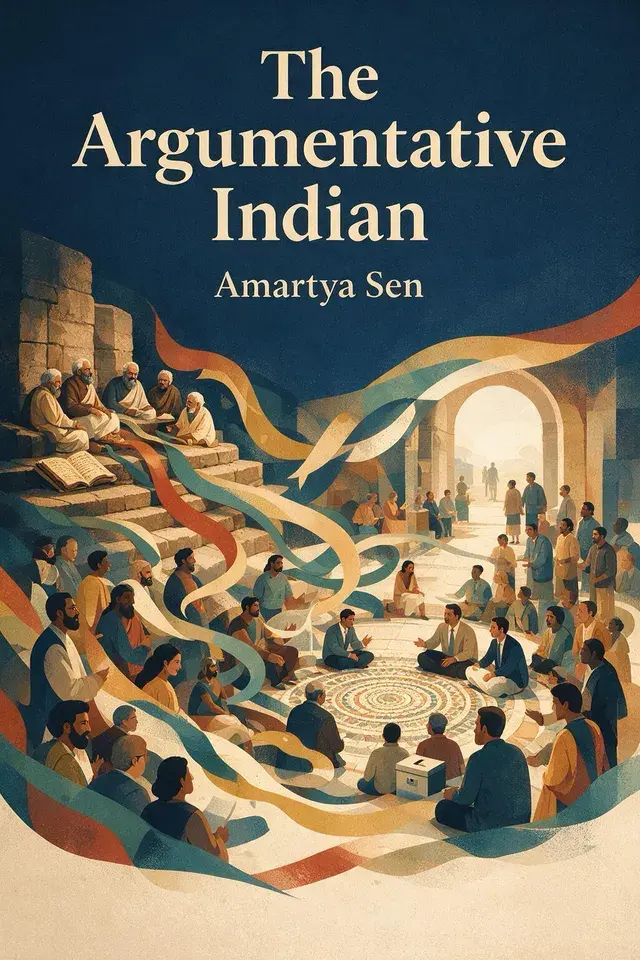
The Argumentative Indian
Amartya Sen examines how India’s traditions of debate, skepticism, and cultural exchange shape its democracy, secularism, identity, and development. The book asks whether a plural society can resist sectarian history, inequality, nuclear nationalism, and global stereotypes—and shows why public reasoning, agency, and evidence matter for collective choices.
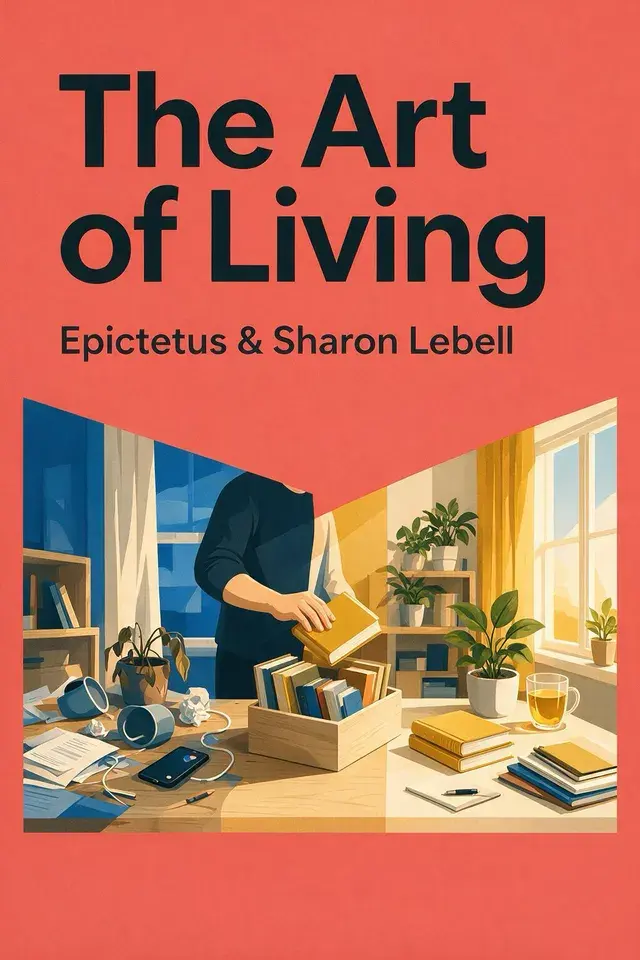
The Art of Living
The Art of Living recasts Stoic teaching as a practical question: what can a person govern when events, loss, status, and other people remain outside control? Its answer links clear judgment, disciplined desire, virtue, and humane duty to a steadier, freer way of acting in ordinary life.
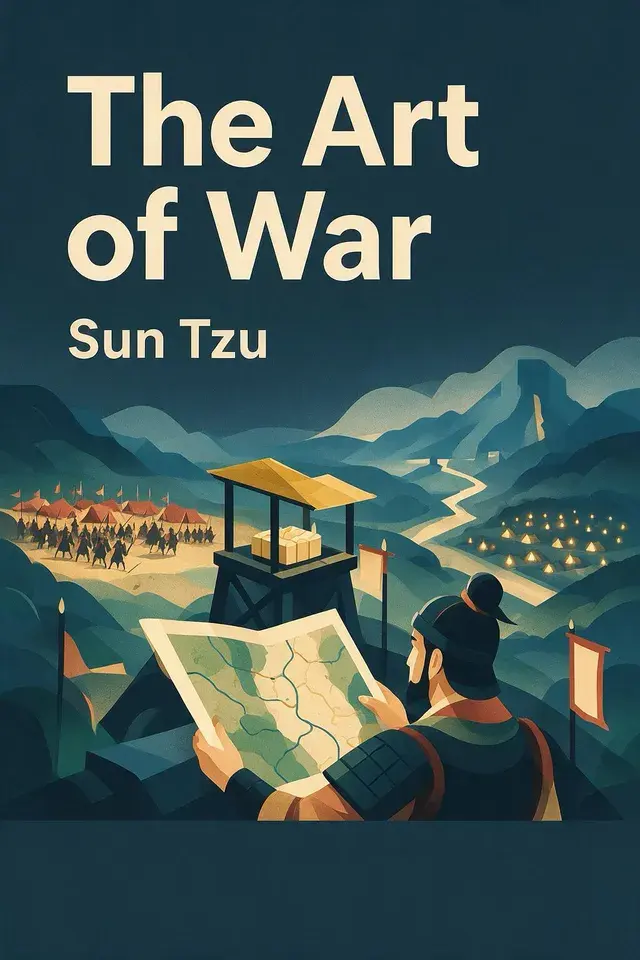
The Art of War
Sun Tzu’s The Art of War asks how a state can prevail without letting conflict consume its strength. Its answer connects comparative calculation, deception, logistics, terrain, morale, adaptive command, and human intelligence, offering a compact way to decide when to avoid battle, shape an opponent, and act decisively.
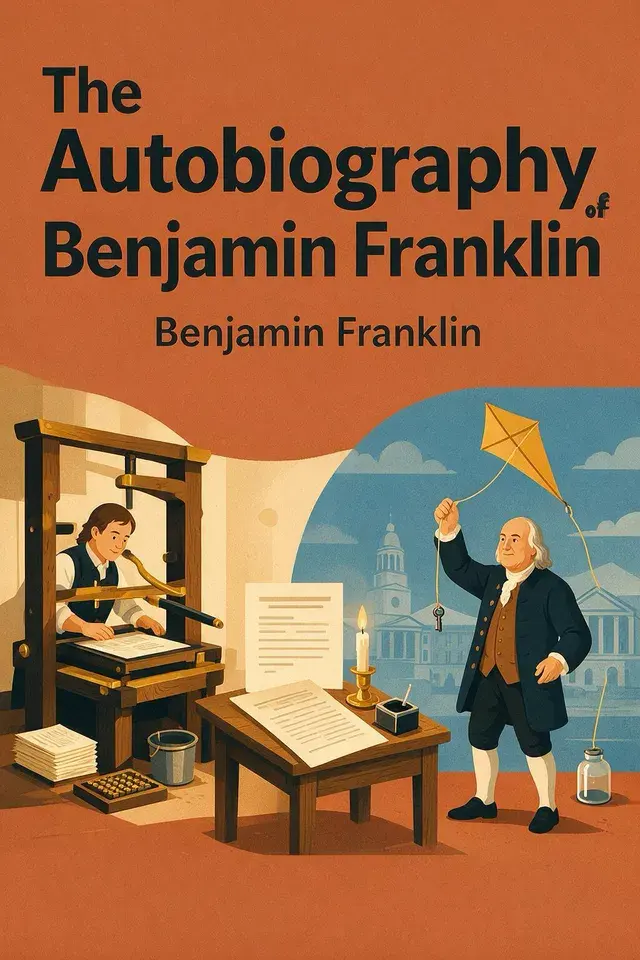
The Autobiography of Benjamin Franklin
Benjamin Franklin’s unfinished, retrospective autobiography asks how a poor printer can become a trusted, useful public figure. It follows self-education, disciplined habits, work, science, institution-building, and political conflict, while admitting vanity, dependence, error, and disputed judgment. Its value is a practical theory of self-improvement tested against the complications of civic life.
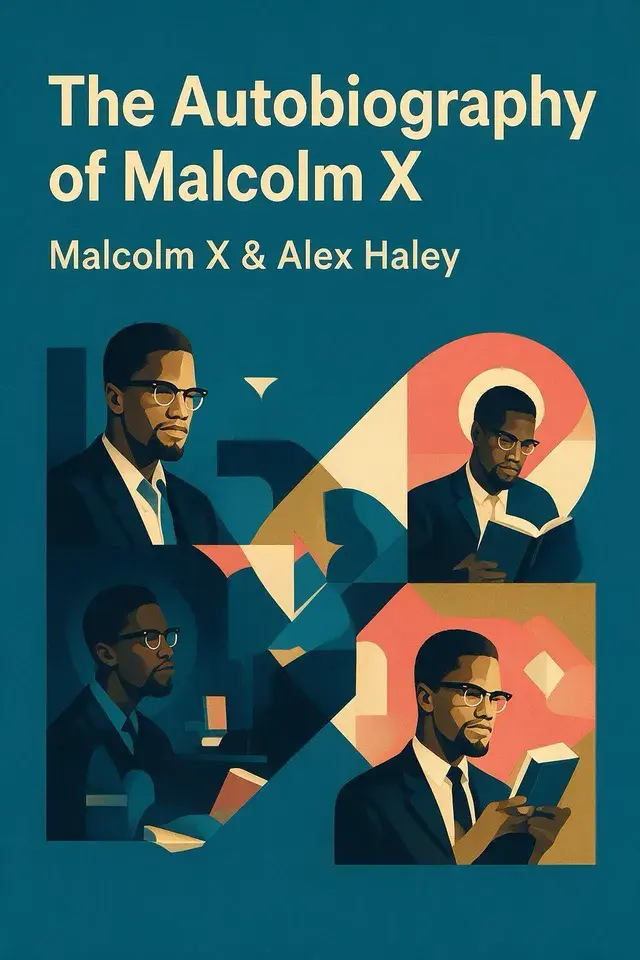
The Autobiography of Malcolm X
Malcolm X’s autobiography asks how a life shaped by racial terror, poverty, crime, prison, and religious discipline can become a program for Black dignity and political action. It traces how self-education, Islam, Mecca, and African encounters repeatedly revise his understanding of identity, liberation, and human solidarity.
The Beginning of Infinity
David Deutsch argues that open-ended progress begins with good explanations: ideas that withstand criticism, reach beyond immediate experience, and enable new creation. The book asks why humans can solve problems, build universal systems, form institutions, and extend knowledge indefinitely—and what keeps that possibility alive.
The Better Angels of Our Nature
Why has violence fallen across homicide, war, genocide, terrorism, and everyday life? Pinker combines historical records, quantitative comparisons, moral psychology, and institutional analysis to explain the decline, its reversals, and the fragile forces—law, commerce, empathy, reason, and expanding rights—that make peace possible.
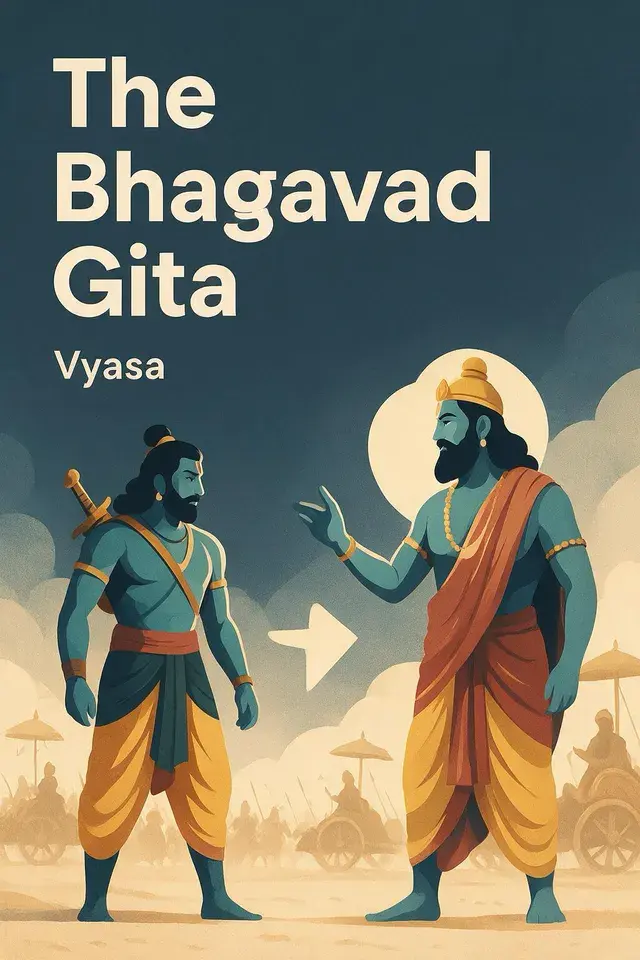
The Bhagavad Gita
On a battlefield, a warrior asks whether duty can be moral when it demands violence against kin. Krishna answers by joining a vision of the imperishable Self to disciplined action, meditation, devotion, and surrender. This summary traces how those paths address desire, suffering, and release from rebirth.
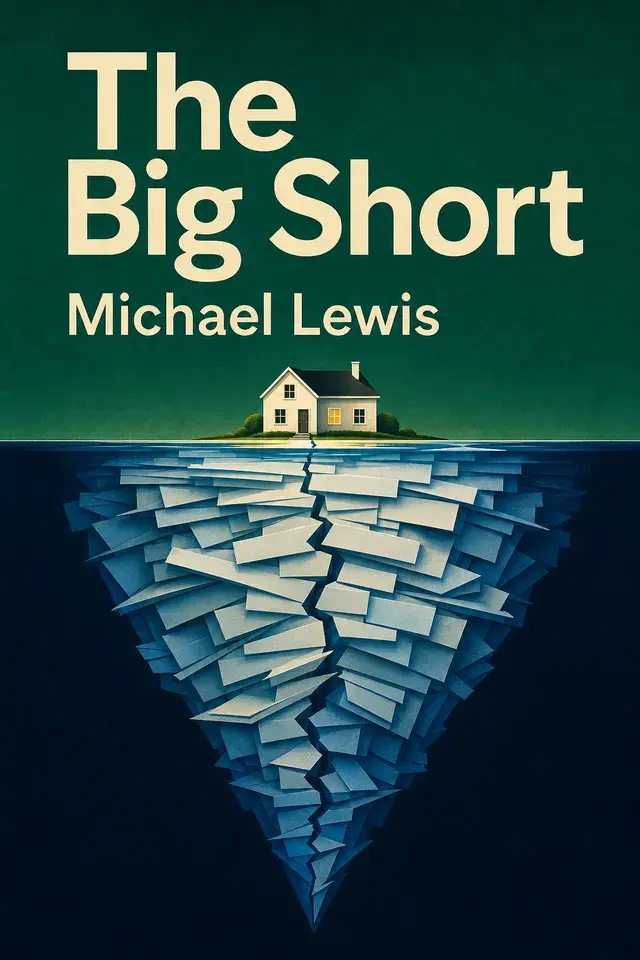
The Big Short
The Big Short traces how easy mortgage credit, opaque securitization, flawed ratings, and misaligned incentives turned a housing boom into a systemic financial gamble—and follows the few investors who recognized the danger early. It shows how to test consensus, models, collateral, incentives, and counterparties when apparent safety may be manufactured.
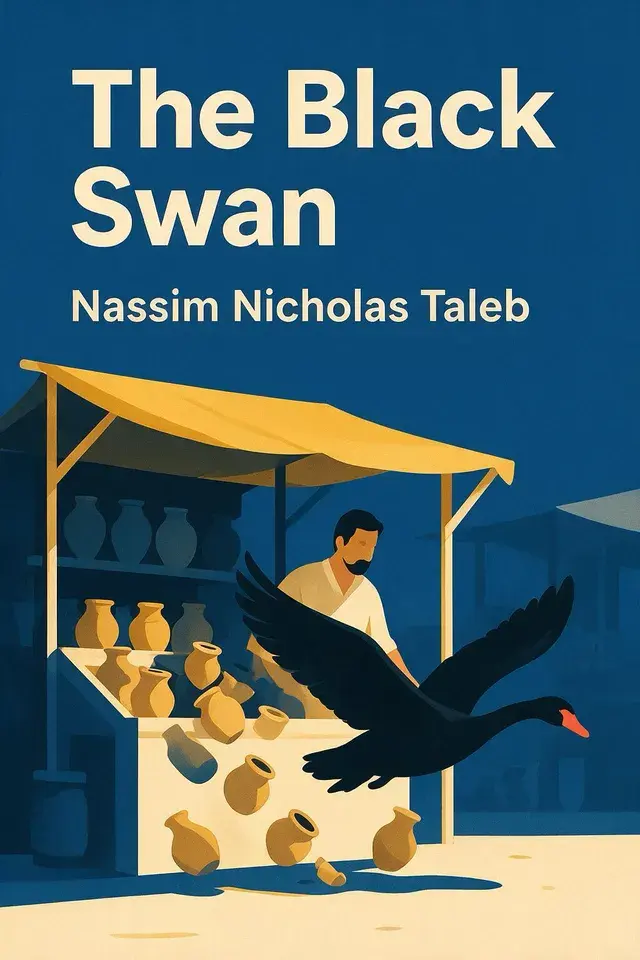
The Black Swan
The Black Swan asks why rare, high-impact events dominate history, markets, careers, and knowledge while hindsight makes them seem predictable. It examines induction, narrative distortion, silent evidence, expert failure, and fragile models, then develops a practical response to opaque uncertainty: limit catastrophic downside, preserve room for favorable surprises, and act with calibrated humility.

The Blank Slate
The Blank Slate asks whether human beings are formed entirely by culture or possess an evolved, flexible mental nature. Pinker connects genes, brains, learning, and culture, then tests what that view means for equality, morality, politics, violence, family life, and art—offering a way to defend humane values without denying human limits.
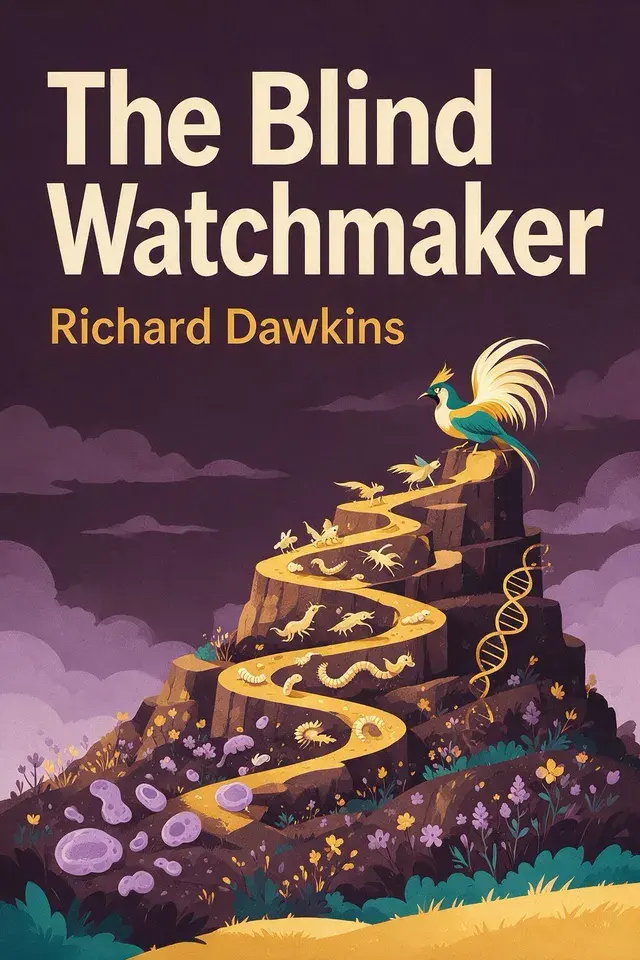
The Blind Watchmaker
How can living things look engineered if no engineer designed them? Richard Dawkins traces cumulative natural selection from inherited variation and viable intermediates to genes, origins, arms races, development, and common descent, showing how blind processes can produce adaptive complexity and offering a framework for judging rival explanations.
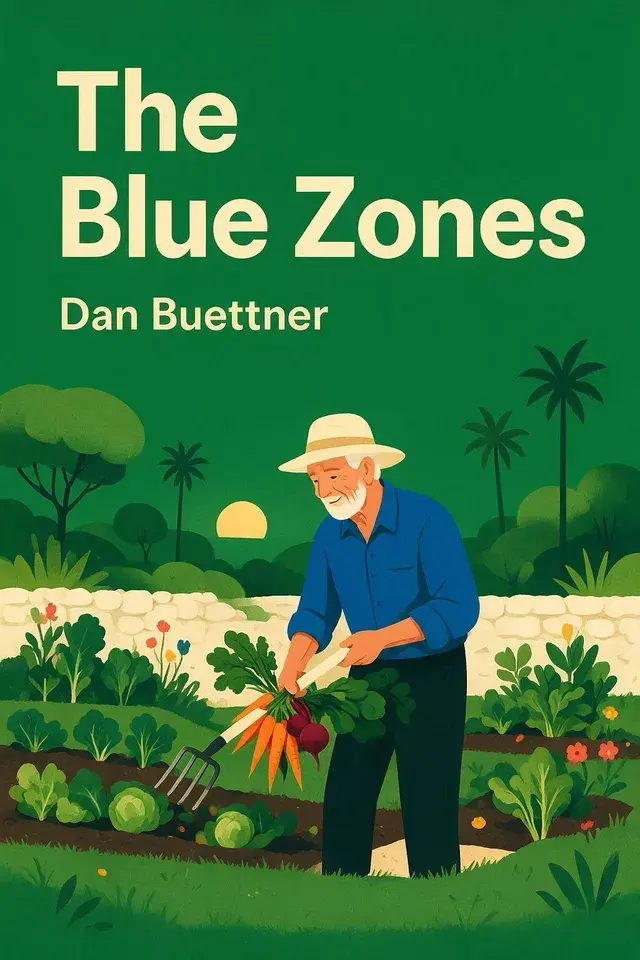
The Blue Zones
The Blue Zones investigates why Sardinia, Okinawa, Loma Linda, and Costa Rica’s Nicoya Peninsula produced unusually long-lived populations. It asks what their food, movement, purpose, faith, family, and social ties can teach about extending healthy, independent years—and how to adapt those patterns without mistaking association for proof.
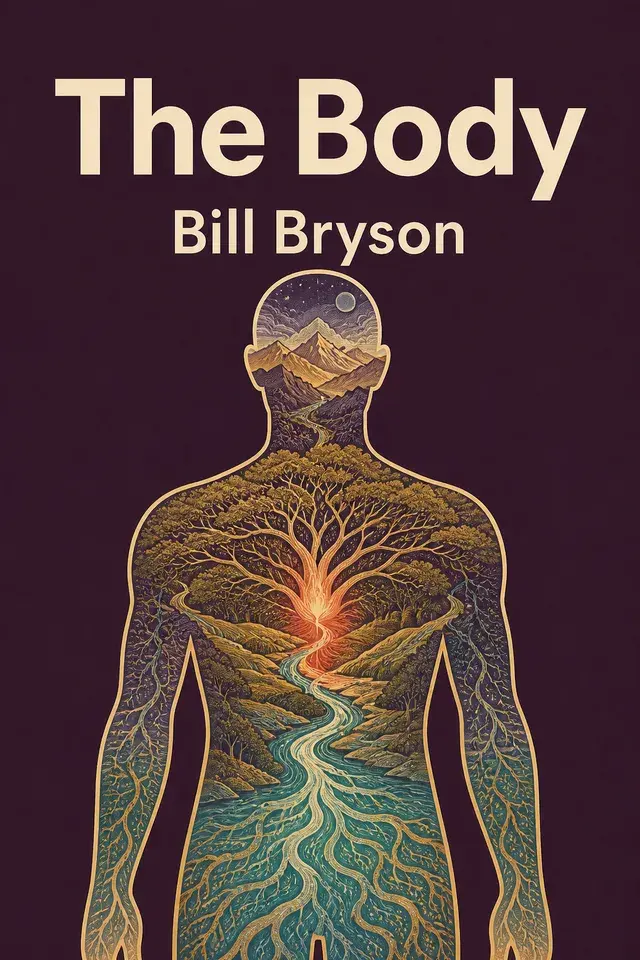
The Body
The Body asks how ordinary matter becomes a living, thinking, aging human—and why evolution leaves that achievement both exquisitely coordinated and full of awkward vulnerabilities. It links cells, microbes, organs, reproduction, disease, and medical practice into a single account of what the body can regulate, what medicine can repair, and what remains uncertain.