Books worth understanding, not just finishing.
Explore 475 carefully structured nonfiction summaries. Start with the central argument, keep the useful ideas, then decide what deserves a full read.
All book summaries
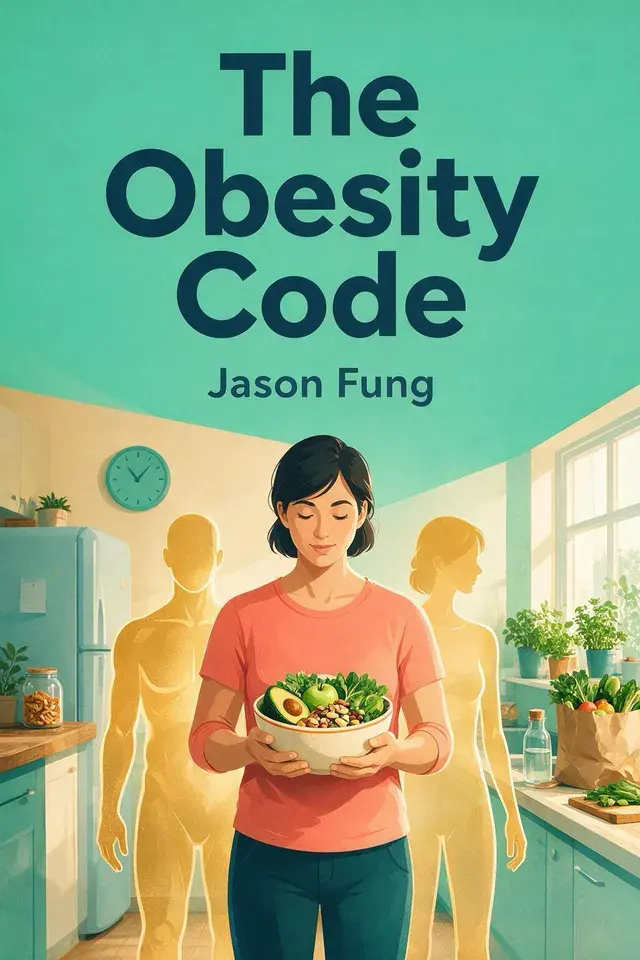
The Obesity Code
The Obesity Code asks why obesity persists despite calorie restriction and exercise advice. It presents obesity as a multifactorial, hormonally regulated problem centered on insulin and insulin resistance, then connects food processing, stress, sleep, and meal timing to weight regulation. The final framework covers whole-food choices, fasting, and practical qualifications.
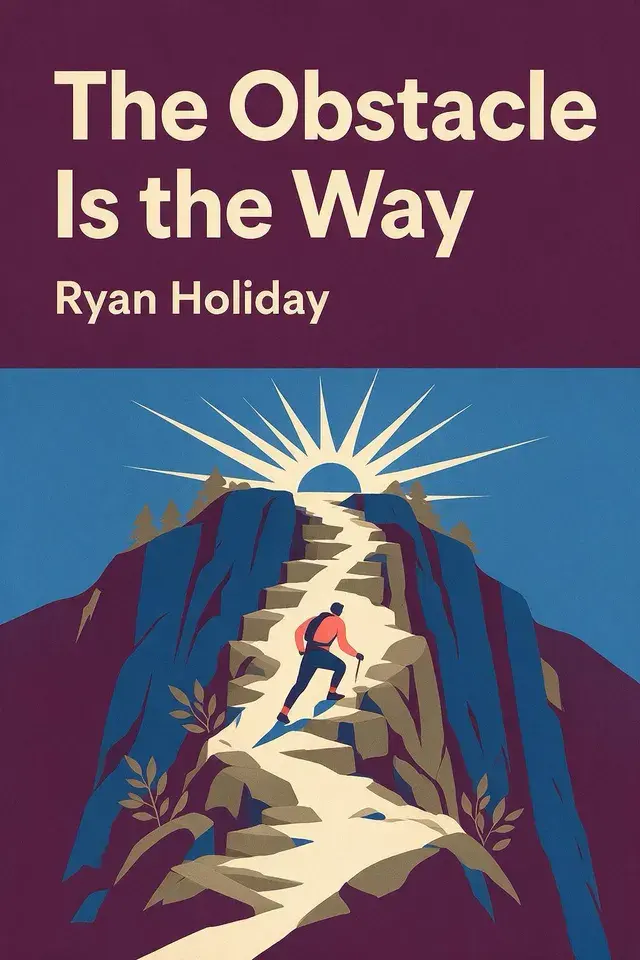
The Obstacle Is the Way
Ryan Holiday’s practical synthesis of Stoic ideas asks how an obstacle can become a route forward rather than a dead end. It explains how clear perception, deliberate action, and resilient acceptance help people find leverage, learn from setbacks, and keep serving a larger purpose under pressure.
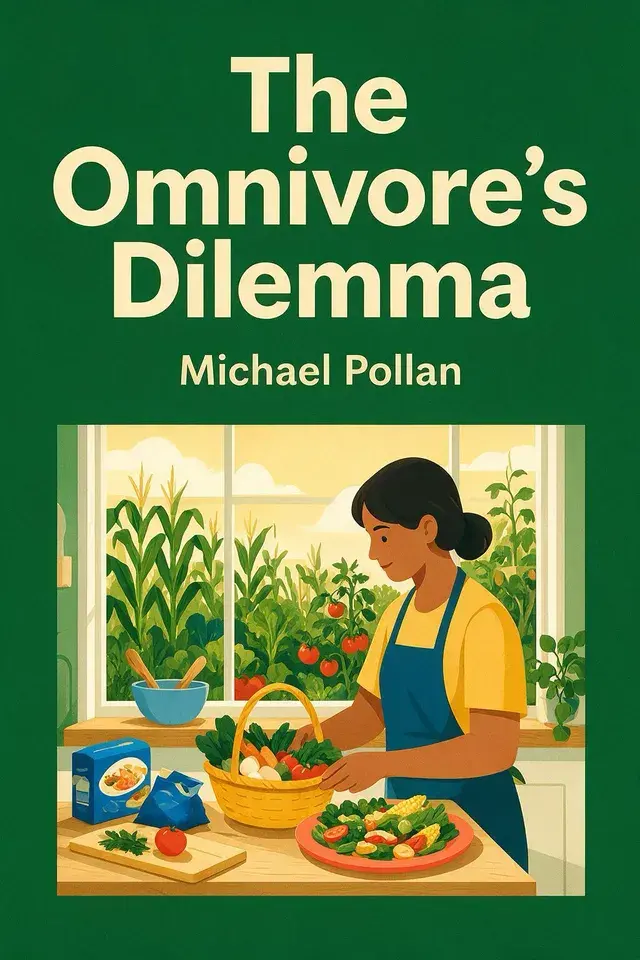
The Omnivore's Dilemma
Michael Pollan follows food from cornfields and feedlots through processing, organic and local farms, hunting, gathering, and a shared meal. He asks why abundance can make eating more confusing, then examines how provenance, ecological costs, animal lives, culture, and personal choices shape a more responsible—and more pleasurable—way to eat.
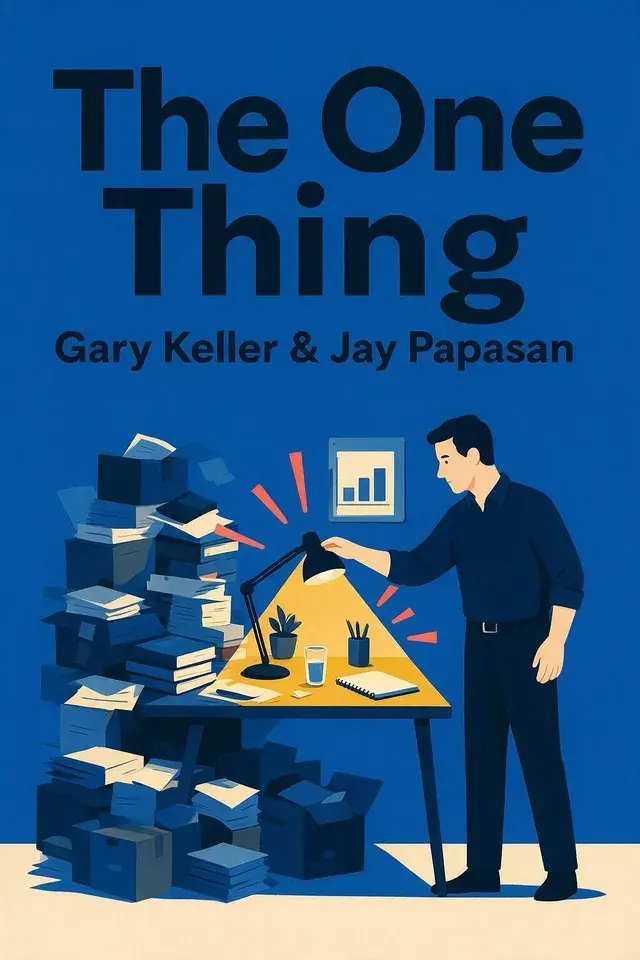
The One Thing
The One Thing asks how extraordinary results are built when time, attention, and energy are limited. It proposes identifying the highest-leverage priority, asking a focusing question, and protecting the next action. The method connects purpose, priority, productivity, and counterbalancing to practical action at work and in life.
The Order of Time
Carlo Rovelli asks what time is when relativity removes a universal clock, thermodynamics gives the past a direction, and quantum theory replaces smooth continuity with relations and events. The book follows these changes into memory, causality, identity, and the felt present, showing how familiar time can emerge without being fundamental.
The Origin of Species
Why do species resemble one another yet fit different conditions? This audio summary follows Darwin’s case from domesticated variation and population struggle to natural selection, then tests it against instinct, hybrid sterility, fossils, geography, classification, embryology, and rudimentary organs. It shows how common descent can explain both adaptation and imperfection.
The Origins of Totalitarianism
How can a movement turn socially isolated people into instruments of total rule? This summary follows the account from mass atomization and propaganda to leader-centered organization, secret police, terror, and camps, clarifying how domination destroys shared reality and why freedom remains a capacity for new beginnings.
The Origins of Virtue
The book asks how humans became capable of virtue and cooperation without eliminating self-interest. It traces nested biological collaboration, reciprocity, food sharing, moral emotion, cultural groupishness, trade, property, and self-government, showing why these capacities can sustain trust yet also produce conflict and ecological failure.
The Paradox of Choice
Barry Schwartz examines why the expansion of choice—from shopping and education to medicine and relationships—can increase autonomy yet also create overload, regret, comparison, and dissatisfaction. The book asks when more freedom stops helping and shows how satisficing, commitments, limits, and selective delegation can protect attention and well-being.
The Plant Paradox
Steven R. Gundry’s The Plant Paradox asks why foods often labeled healthy might, in the book’s account, interact with lectins, gut microbes, and modern exposures to promote illness and weight gain. This summary traces that argument and explains the proposed phased diet, fasting, supplements, and meal-planning response.
The Power Broker
How did Robert Moses, an unelected reformer, gain the authority to remake New York—and what did that authority cost? This concise account follows the machinery behind his parks, roads, public authorities, and urban renewal, weighing durable public works against displacement, exclusion, traffic, and weakened democratic oversight.
The Power of Habit
Why do ordinary actions become automatic, and how can they be changed? The book follows cue–routine–reward loops through craving, willpower, workplaces, markets, social movements, and compulsions, offering a framework for recognizing patterns, testing replacements, and understanding how belief, context, and community make change durable.
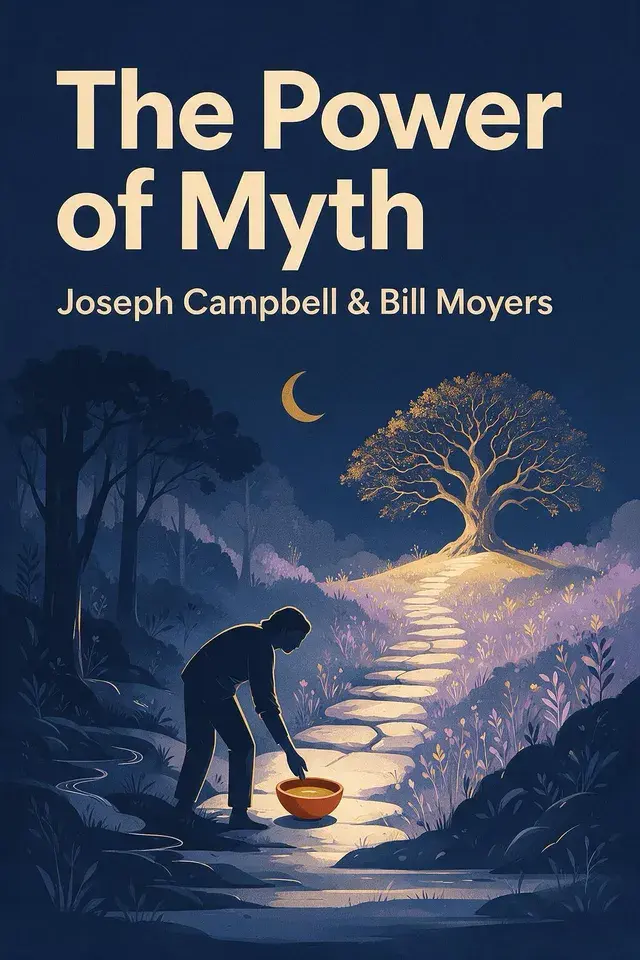
The Power of Myth
The Power of Myth asks what myths do when inherited religions and rituals no longer organize modern life. Through creation stories, rites, heroes, love, the Goddess, the Grail, and images of eternity, it shows how metaphor connects personal change with nature, society, and mystery—and can guide a more conscious participation in life.
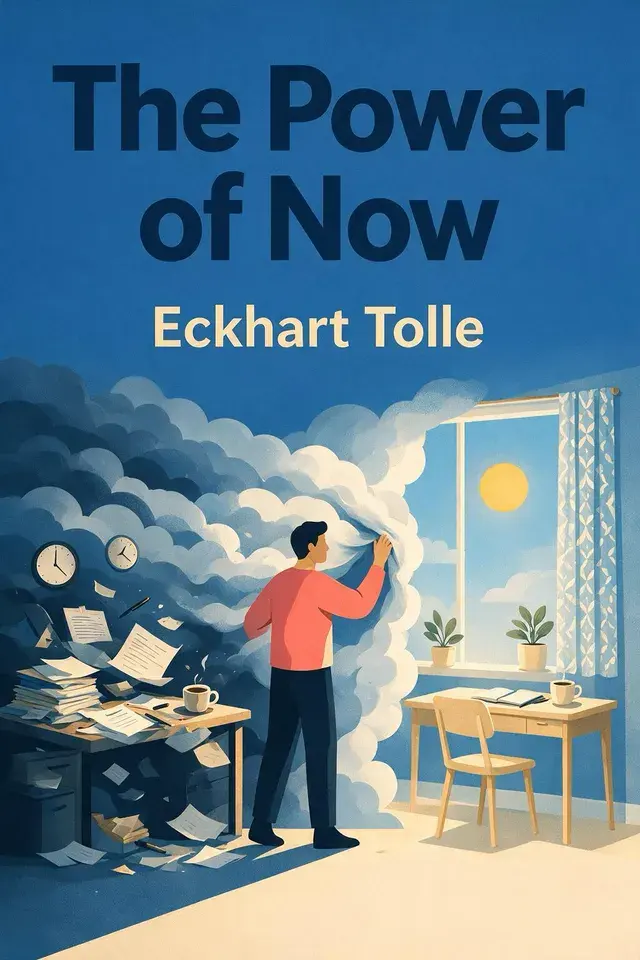
The Power of Now
The book examines how identification with compulsive thought, emotional pain, and psychological time creates suffering, and asks whether present-moment awareness can restore access to peace and Being. It connects this diagnosis to practices of observation, body awareness, relationship, and surrender.
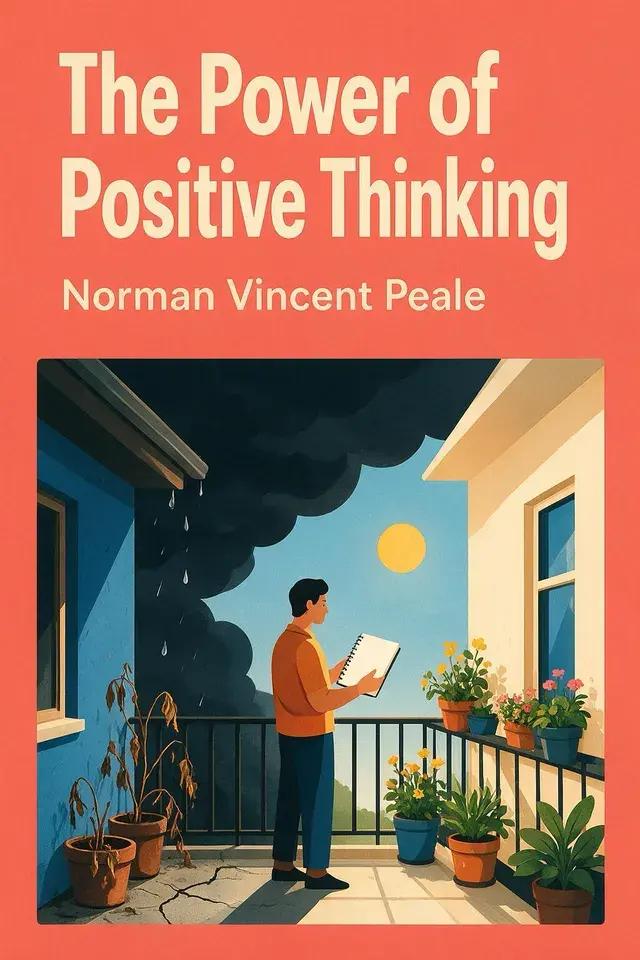
The Power of Positive Thinking
This book asks how faith-shaped thought can change a person’s response to fear, failure, illness, work, relationships, and grief. It links prayer, affirmations, visualization, expectation, calm, love, and practical effort, while qualifying its optimism with objective facts, medical cooperation, unavoidable suffering, and persistent practice.
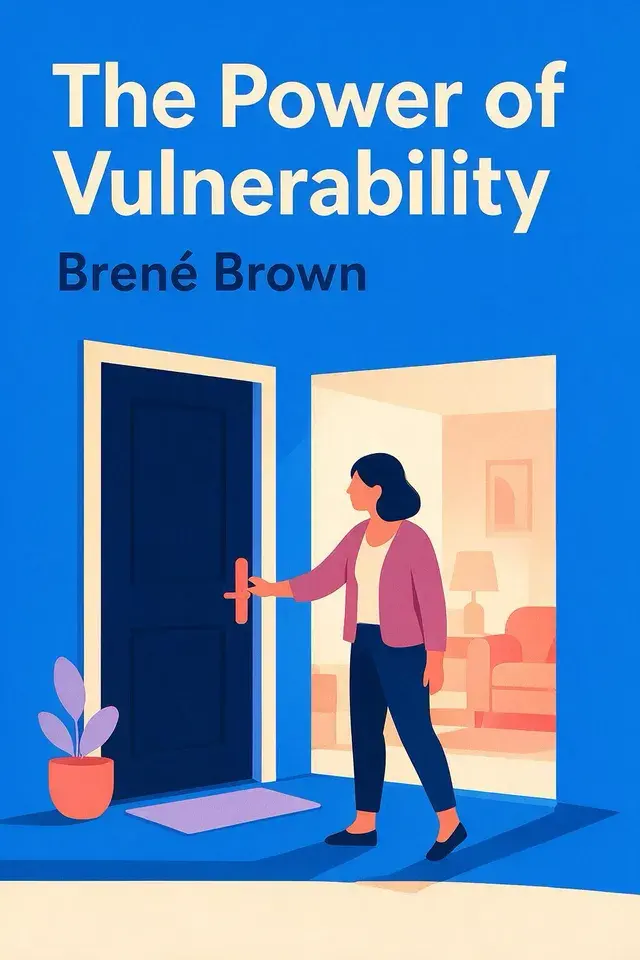
The Power of Vulnerability
The book asks how people can live wholeheartedly when a culture of “never enough” makes worth, belonging, and adequacy feel conditional. Brown links vulnerability with shame resilience, empathy, trust, authenticity, creativity, rest, meaningful work, and play, offering a framework for courageous participation without treating wholeheartedness as a finished state.

The Prince
The book asks what enables a ruler to acquire, secure, and preserve political power. It connects regime structure, military foundations, public conduct, reputation, counsel, and Fortune, then turns Italy’s crisis into a test of those principles. Its value is a compact framework for judging when authority becomes durable rather than merely successful.
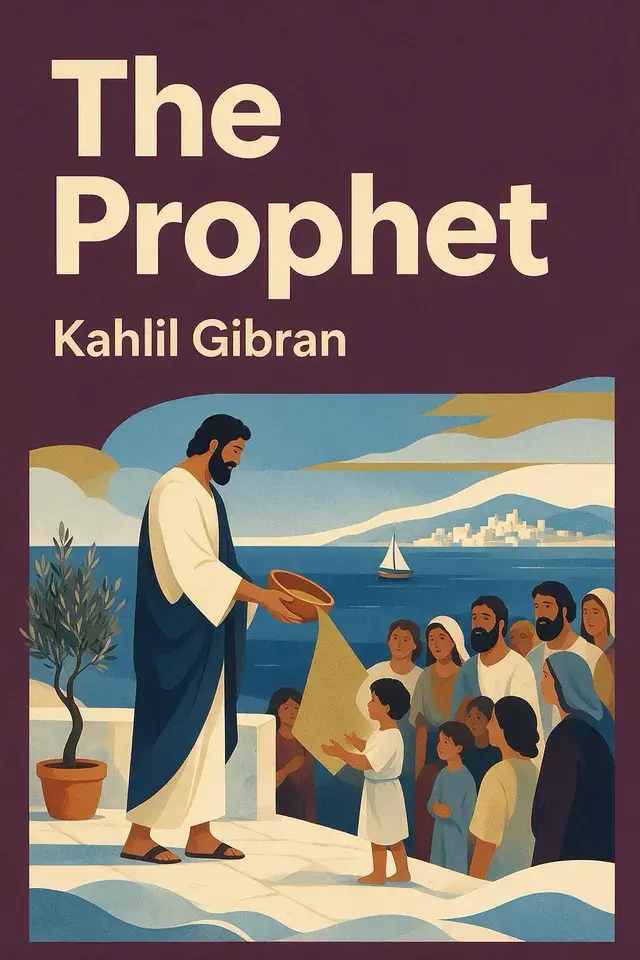
The Prophet
As Almustafa prepares to leave Orphalese, The Prophet asks how people can love without possession, work as part of shared life, hold joy and sorrow together, and meet death without losing their deeper unity. Its value is a poetic, experiential guide to spiritual wholeness in ordinary human choices.