Richard Dawkins
Explore Wiseley summaries of books credited to Richard Dawkins.
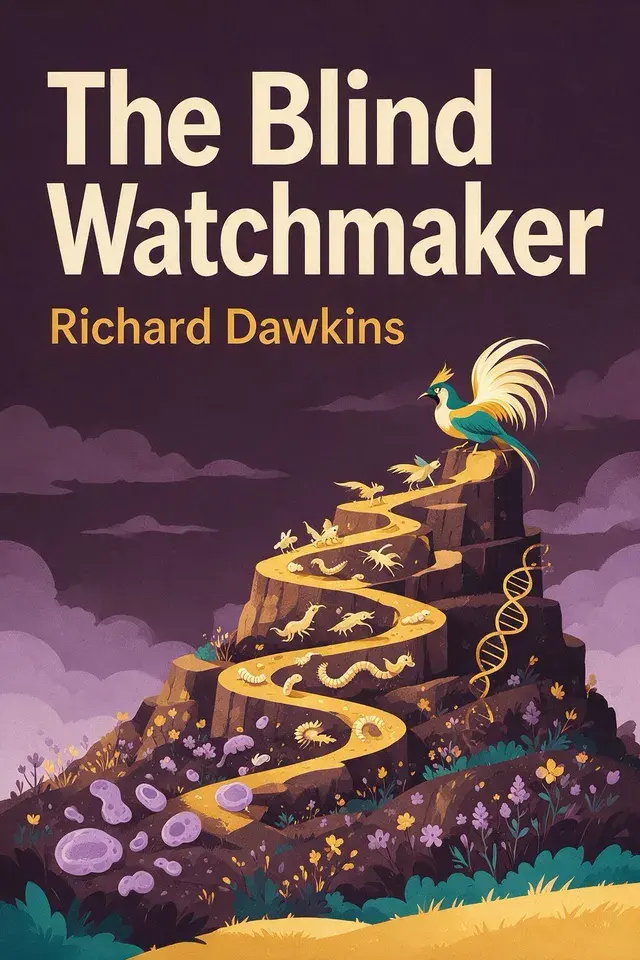
The Blind Watchmaker
How can living things look engineered if no engineer designed them? Richard Dawkins traces cumulative natural selection from inherited variation and viable intermediates to genes, origins, arms races, development, and common descent, showing how blind processes can produce adaptive complexity and offering a framework for judging rival explanations.
9 chapters

The Greatest Show on Earth
Richard Dawkins asks how we can know evolution happened and how natural selection turns inherited variation into adaptation. Drawing on geological clocks, living experiments, fossils, embryology, biogeography, anatomy, and molecular comparisons, the book builds a cumulative case for common descent and explains why life’s complexity coexists with historical imperfections.
7 chapters
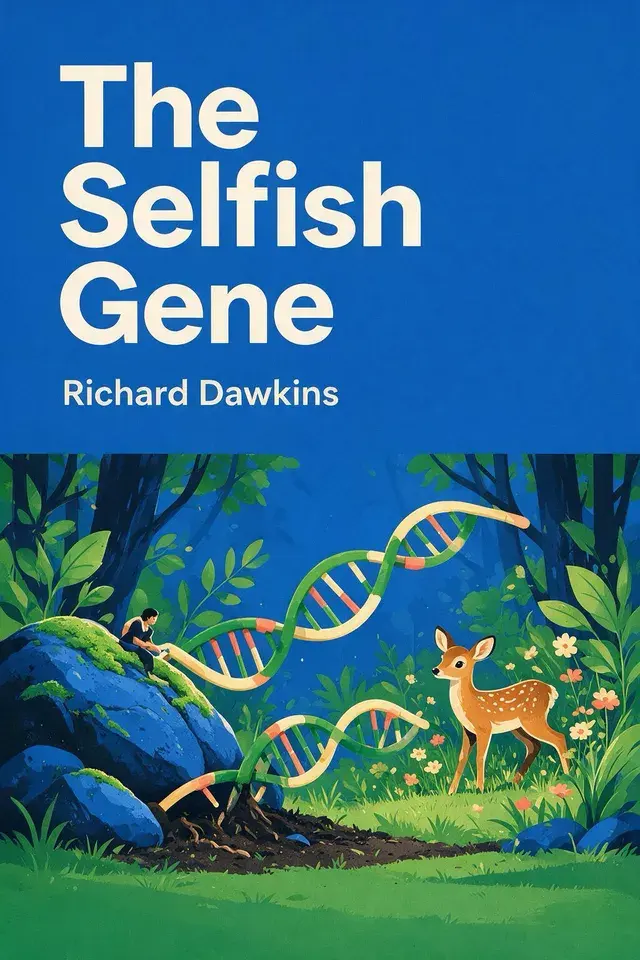
The Selfish Gene
The Selfish Gene asks how evolution can produce selfishness, altruism, cooperation, and culture when selection favors replicators. Dawkins follows that question from early self-copying molecules through genes, survival machines, kin and sexual conflict, reciprocal cooperation, memes, and effects beyond the body—offering a framework for separating evolutionary explanation from moral instruction.
12 chapters