Loading the reading path…
Wiseley is resolving the current published collection from the catalog.
Wiseley is resolving the current published collection from the catalog.
Examine how digital systems influence attention, opportunity, economic power, and accountability.
A source-grounded outline for an audio-first summary of Nicholas Carr’s The Shallows: how media technologies, especially the Internet, reshape attention, memory, reading, and judgment—and how to preserve depth while gaining digital efficiency.
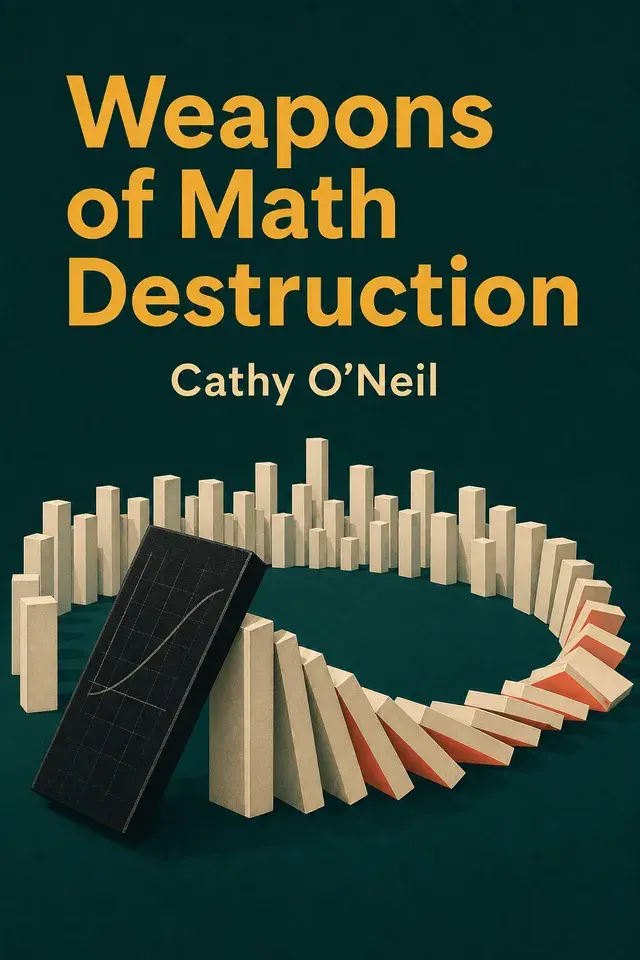
Weapons of Math Destruction examines how opaque models turn partial data and narrow goals into decisions about education, work, credit, policing, insurance, and politics. It asks when prediction becomes harm, and shows how feedback loops, secrecy, and weak accountability reproduce inequality—while transparency, contestability, and human judgment can redirect models toward public benefit.
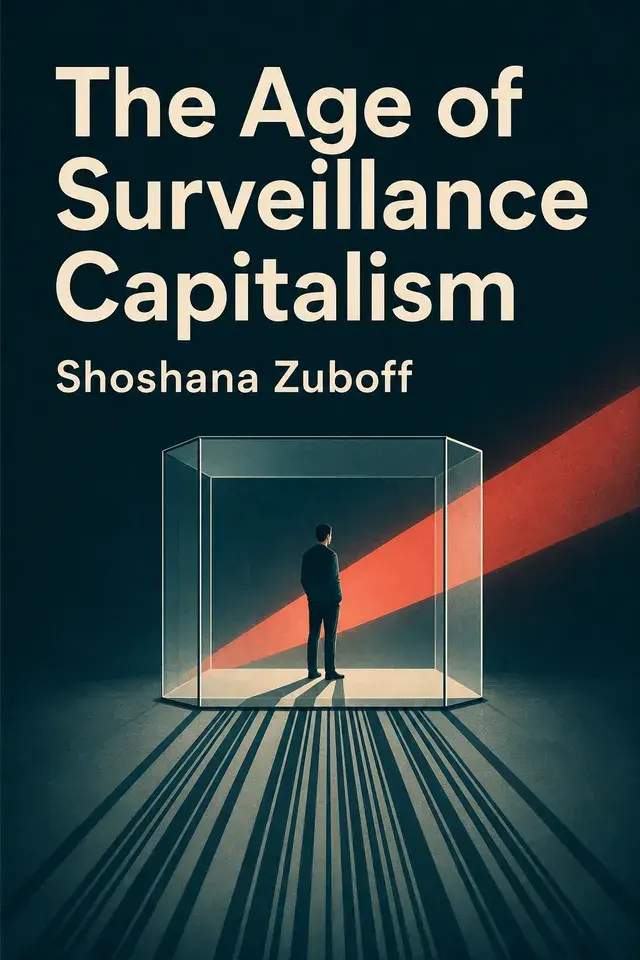
Shoshana Zuboff asks how digital systems turned everyday experience into a privately owned source of behavioral prediction and influence. This summary follows the model from Google’s extraction of behavioral surplus through smart environments and behavior modification, then examines its effects on autonomy, sanctuary, democracy, and collective resistance.