Loading the reading path…
Wiseley is resolving the current published collection from the catalog.
Wiseley is resolving the current published collection from the catalog.
Explore uncertainty, bias, evidence, and the habits of clearer judgment.
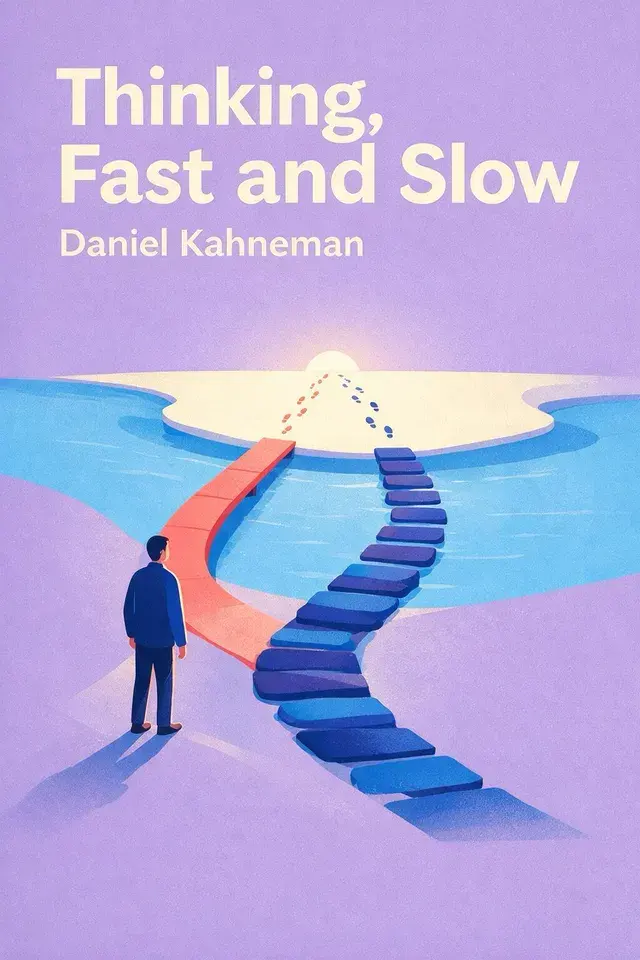
Why do quick impressions feel convincing, why do losses loom larger than gains, and why can memory misrepresent experience? Kahneman’s account traces the shortcuts, statistical errors, reference points, frames, and competing selves that shape judgment, then considers how measurement, deliberate checking, and institutional design can improve decisions.
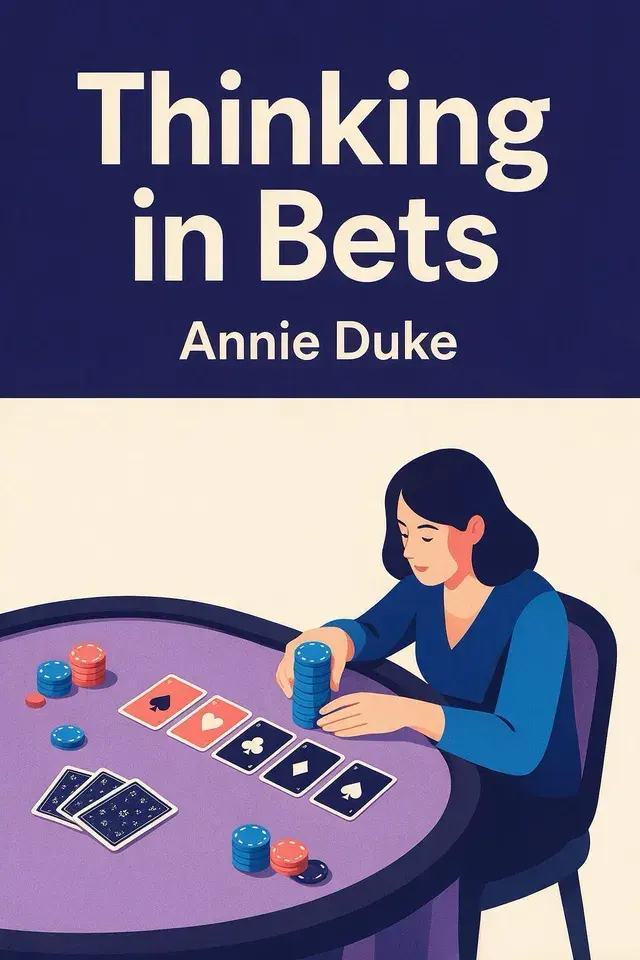
Thinking in Bets asks how to make sound decisions when luck, incomplete information, and bias obscure what is true. Annie Duke uses poker as a model for probabilistic thinking, then develops practices for calibrated beliefs, learning from outcomes, constructive dissent, precommitment, and planning across possible futures.