Loading the reading path…
Wiseley is resolving the current published collection from the catalog.
Wiseley is resolving the current published collection from the catalog.
Compare Chinese, Indian, and Japanese perspectives on conduct, conflict, duty, character, and the disciplined life.
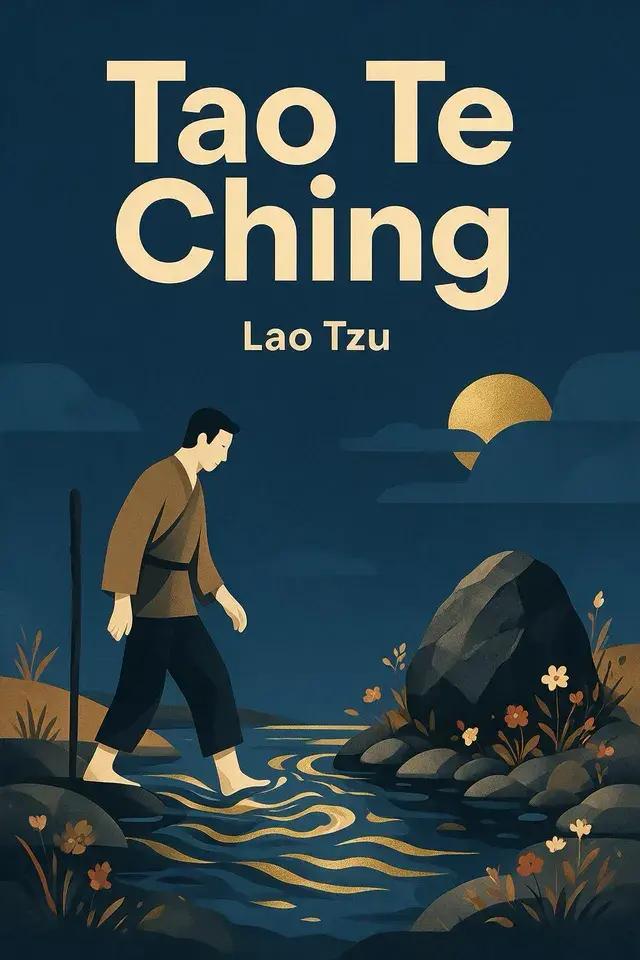
Tao Te Ching asks how to live and govern when reality exceeds every fixed name. It explores whether yielding, humility, stillness, and enoughness can guide action more wisely than force, offering a framework for desire, leadership, conflict, and limits.
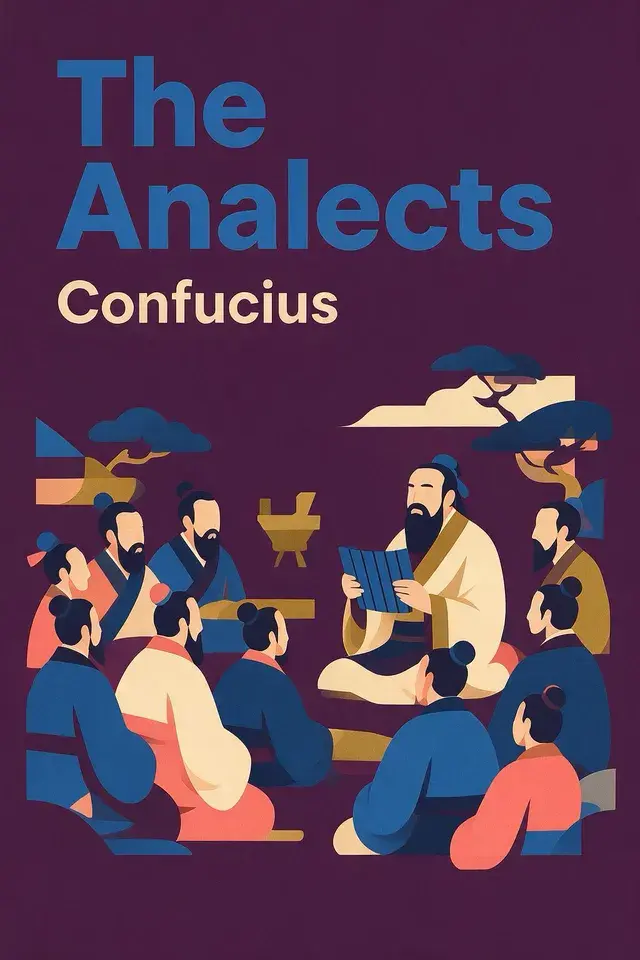
The Analects asks how a person becomes humane and how that character can order family, friendship, and government. Its teachings on learning, ritual, judgment, trust, and responsibility show how moral insight becomes daily conduct and public order—an account useful for thinking about character, relationships, and leadership.
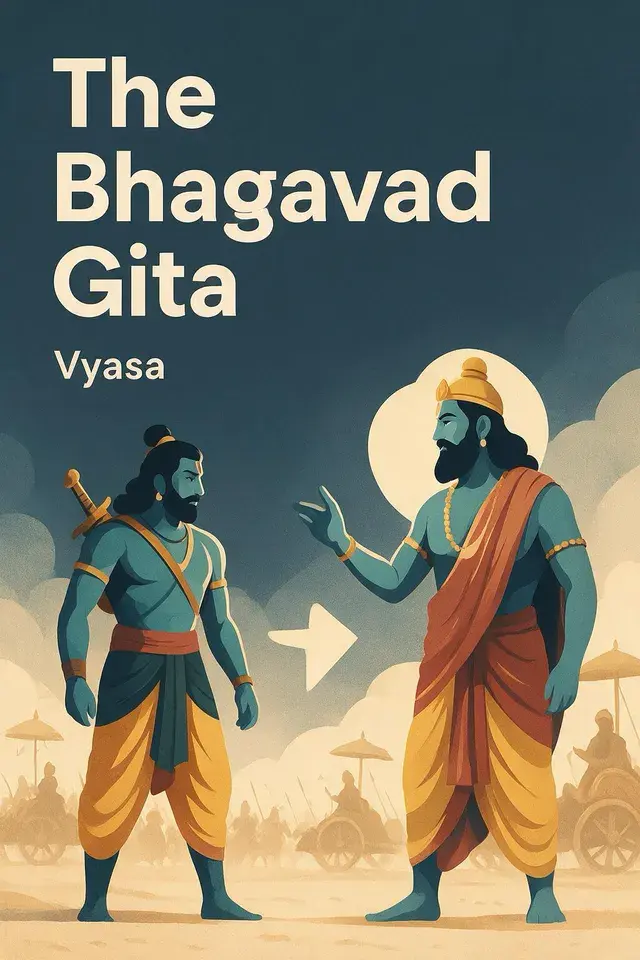
On a battlefield, a warrior asks whether duty can be moral when it demands violence against kin. Krishna answers by joining a vision of the imperishable Self to disciplined action, meditation, devotion, and surrender. This summary traces how those paths address desire, suffering, and release from rebirth.
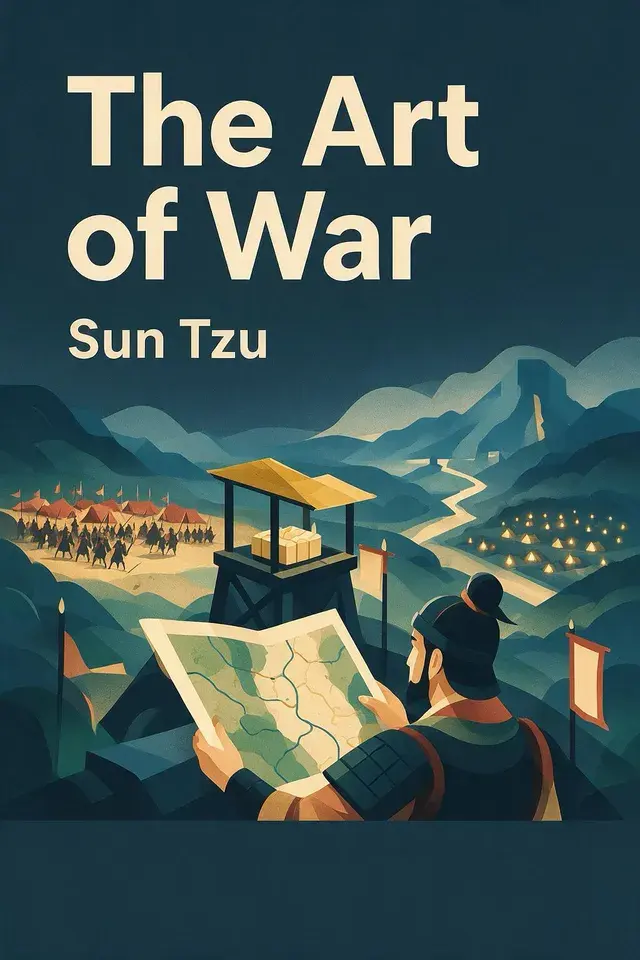
Sun Tzu’s The Art of War asks how a state can prevail without letting conflict consume its strength. Its answer connects comparative calculation, deception, logistics, terrain, morale, adaptive command, and human intelligence, offering a compact way to decide when to avoid battle, shape an opponent, and act decisively.