Walter Isaacson
Explore Wiseley summaries of books credited to Walter Isaacson.
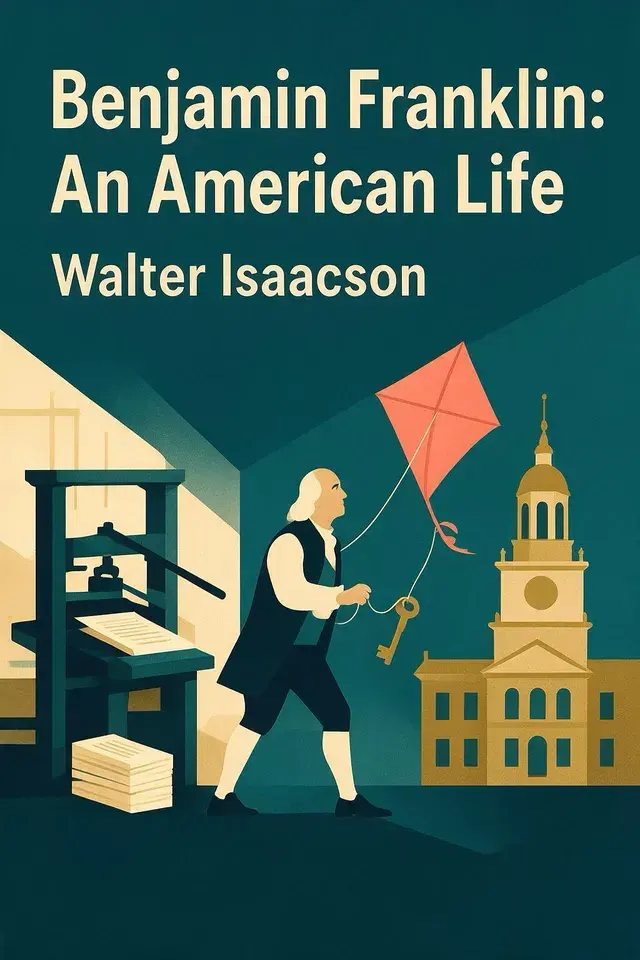
Benjamin Franklin: An American Life
How did a Boston printer become a scientist, civic organizer, revolutionary, diplomat, and constitutional mediator—and what did that transformation reveal about virtue, power, and belonging? This summary follows Franklin’s self-invention, practical institutions, political evolution, family contradictions, and contested legacy to clarify how everyday usefulness became a national ideal.
12 chapters
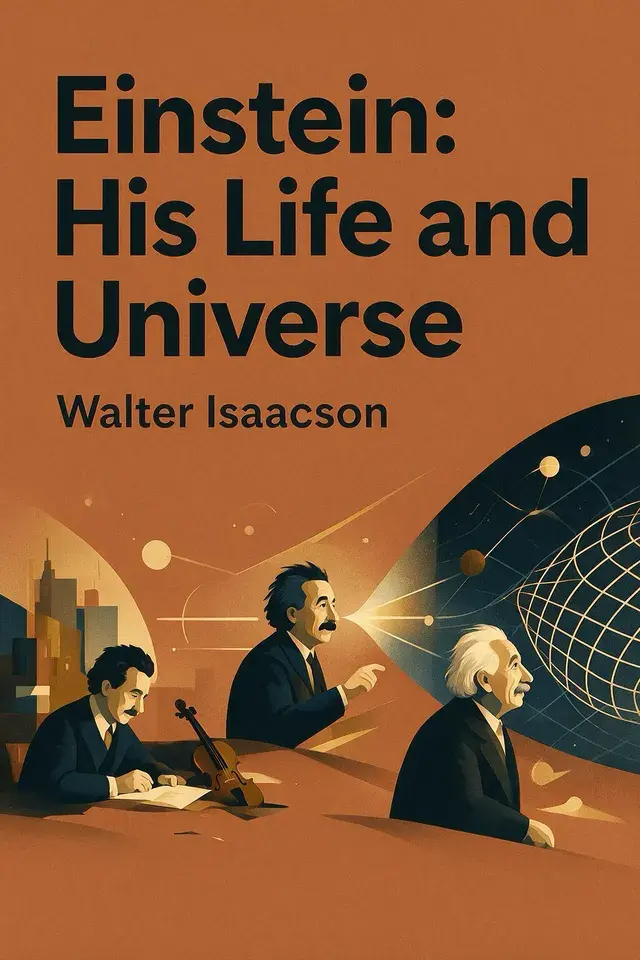
Einstein: His Life and Universe
Einstein: His Life and Universe follows how an independent, visually imaginative thinker transformed physics while navigating love, fame, antisemitism, exile, war, and moral responsibility. It asks how the same commitment to lawful reality could produce relativity, resistance to quantum indeterminacy, and a lifelong search for unity—and what that reveals about evidence, freedom, and public duty.
11 chapters
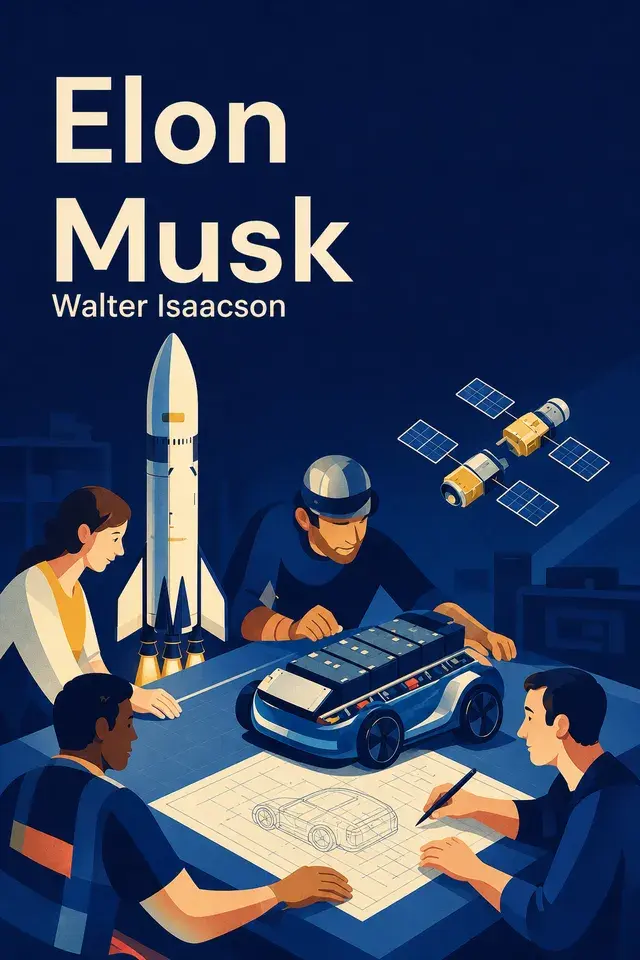
Elon Musk
Elon Musk’s biography asks how a childhood shaped by danger, isolation, and science fiction became a method for building companies around electric transport, spaceflight, and artificial intelligence—and what that method costs. This summary maps the recurring mechanisms, evidence, and trade-offs behind Musk’s breakthroughs, conflicts, and expanding public power.
15 chapters
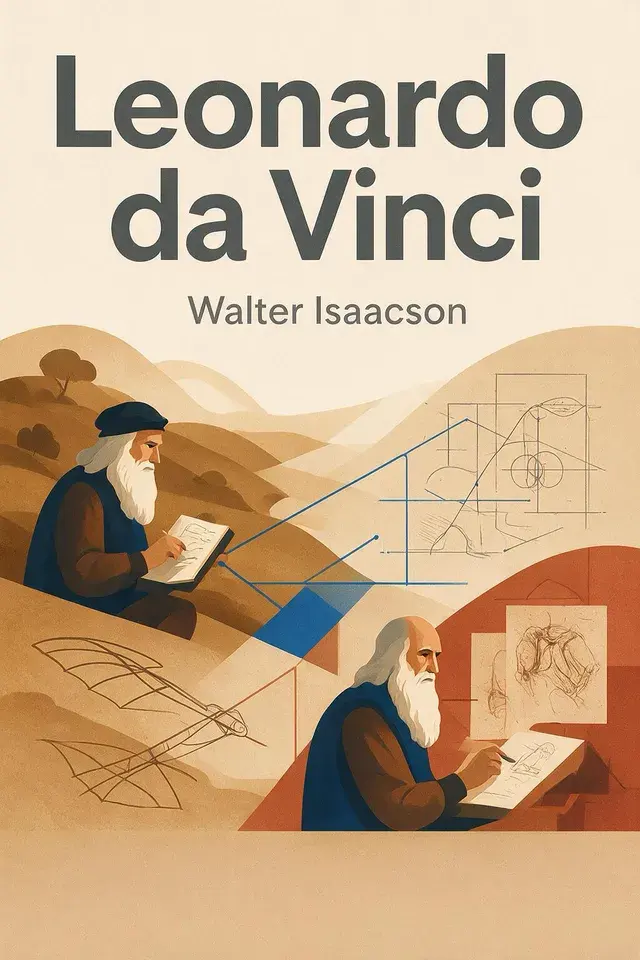
Leonardo da Vinci
Leonardo da Vinci follows how an illegitimate, largely self-taught artist became a painter, engineer, anatomist, and natural philosopher. Its central question is how curiosity turns into discovery—and why the same imagination that generated cross-disciplinary connections also left works unfinished. The value is a model of observation, experimentation, and interdisciplinary thinking tempered by evidence.
10 chapters
Steve Jobs
Walter Isaacson’s biography follows Steve Jobs from adoption, Silicon Valley, and counterculture through Apple, NeXT, Pixar, and the digital ecosystem. Its central question is how a demanding, often harmful personality joined technology, design, and the humanities to create enduring products—and what such intensity costs collaborators, users, and family.
8 chapters
The Code Breaker
The Code Breaker traces how discoveries about DNA, RNA, and microbial immunity became CRISPR, a programmable system for editing genes and building diagnostics, therapies, and pandemic tools. It asks who should control a technology that can alter bodies, descendants, and society—and offers a way to think about evidence, limits, access, and collective responsibility.
9 chapters
The Innovators
Walter Isaacson’s history asks how programmable computing became a personal, networked world—and whether that transformation came from lone geniuses or collaborative ecosystems. It follows visionaries, engineers, programmers, entrepreneurs, hobbyists, institutions, and online communities, offering a framework for understanding how imagination, openness, and human judgment shape technology.
9 chapters